Argentina is one of the most fascinating and diverse countries in South America and one of the destinations that best allows travelers to combine major cities, cultural heritage, spectacular nature, gastronomy, adventure and local traditions in a single trip. Its enormous geographical extension means that each region has its own distinctive character: from the sophistication and cosmopolitan atmosphere of Buenos Aires to the glaciers of Patagonia, from the northern rainforests and waterfalls to the vineyards of Mendoza and from the Andean landscapes of Salta and Jujuy to the mountains and lakes of the Andes region.
The diversity of Argentina is precisely one of its greatest attractions. A journey through the country can begin with an urban and cultural experience in Buenos Aires, continue with a gastronomic and wine route in Mendoza, discover the high-mountain landscapes of the Andes and end by admiring enormous glaciers in Patagonia. Tours in Argentina make it possible to organize this type of journey conveniently, while private tours offer the possibility of designing itineraries completely adapted to travelers' interests, pace and trip duration.
Buenos Aires, the capital, is one of the country's must-see destinations. Located on the banks of the Río de la Plata, the city combines European-inspired architecture with a deeply Argentine identity. Its neighborhoods have very different personalities and allow visitors to discover different sides of the city. Recoleta stands out for its French-style buildings, museums and elegant avenues; San Telmo preserves a historic and bohemian atmosphere; La Boca is known for its colorful houses, art and tango; and Palermo combines parks, restaurants, design shops and vibrant nightlife.
Tours in Buenos Aires allow visitors to discover iconic places such as Plaza de Mayo, Casa Rosada, the Obelisk, Teatro Colón and Recoleta Cemetery. For travelers interested in history, specialized tours explain the country's political and social development. Private tours also allow more time to be dedicated to specific neighborhoods or to combine cultural visits with gastronomic experiences.
Teatro Colón is one of the great cultural symbols of Buenos Aires. Considered one of the world's most important opera houses, it stands out for its architecture, decoration and extraordinary acoustics. Guided tours allow visitors to discover its halls, historic spaces and details related to its construction and artistic activity. A private tour of Teatro Colón can offer a more personalized experience and combine the visit with other cultural spaces in the capital.
Tango is another of Argentina's great experiences. Although it is now known internationally, its roots are deeply connected to Buenos Aires and certain neighborhoods of the city. Travelers can attend shows, take dance classes or enjoy dinner accompanied by live music. Group tango tours are an easy way to discover this tradition, while private experiences can include individual classes, visits to traditional milongas and shows selected according to the visitor's interests.
Buenos Aires is also a first-class gastronomic destination. Argentine beef, empanadas, pizzas, alfajores and wines are part of a culinary culture that can be discovered in traditional steakhouses, contemporary restaurants, markets and small neighborhood establishments. Food tours in Buenos Aires allow visitors to discover different specialties and understand how European immigration and local traditions have influenced Argentine cuisine.
Outside the capital, one of the most important regions is Mendoza, located at the foot of the Andes mountain range. The province is internationally recognized for its wine production and especially for Malbec, one of the varieties that best represents Argentine winemaking. The landscapes of vineyards, mountains and irrigation channels create an ideal setting for gastronomic and wine tours.
The regions of Luján de Cuyo and Uco Valley are home to some of the country's most renowned wineries. Wine tours in Mendoza allow visitors to tour wineries, learn about the different stages of wine production and take part in tastings. Private tours can be designed around small boutique wineries, fine-dining restaurants, food and wine pairing experiences and visits to producers. It is also possible to combine wine activities with excursions into the Andes.
Mendoza's proximity to the mountains also makes the province an attractive destination for nature and adventure lovers. Aconcagua, one of the most famous mountains in the Americas, dominates the landscape of the region. Excursions allow visitors to reach different viewpoints and experience high-mountain landscapes without undertaking a technical expedition. Private tours in the Andes can be adapted to the physical condition and interests of each group.
In northern Argentina are Salta and Jujuy, two provinces that offer one of the country's most distinctive cultural and scenic experiences. Colonial architecture, Andean traditions, markets, gastronomy and mountain landscapes create a strongly defined regional identity.
Salta, known for its colonial architecture and traditional atmosphere, is an excellent base for exploring northwestern Argentina. The Cathedral, Cabildo, historic churches and markets are among the main points of interest. Tours in Salta allow visitors to discover the city and then take excursions into the valleys and mountains.
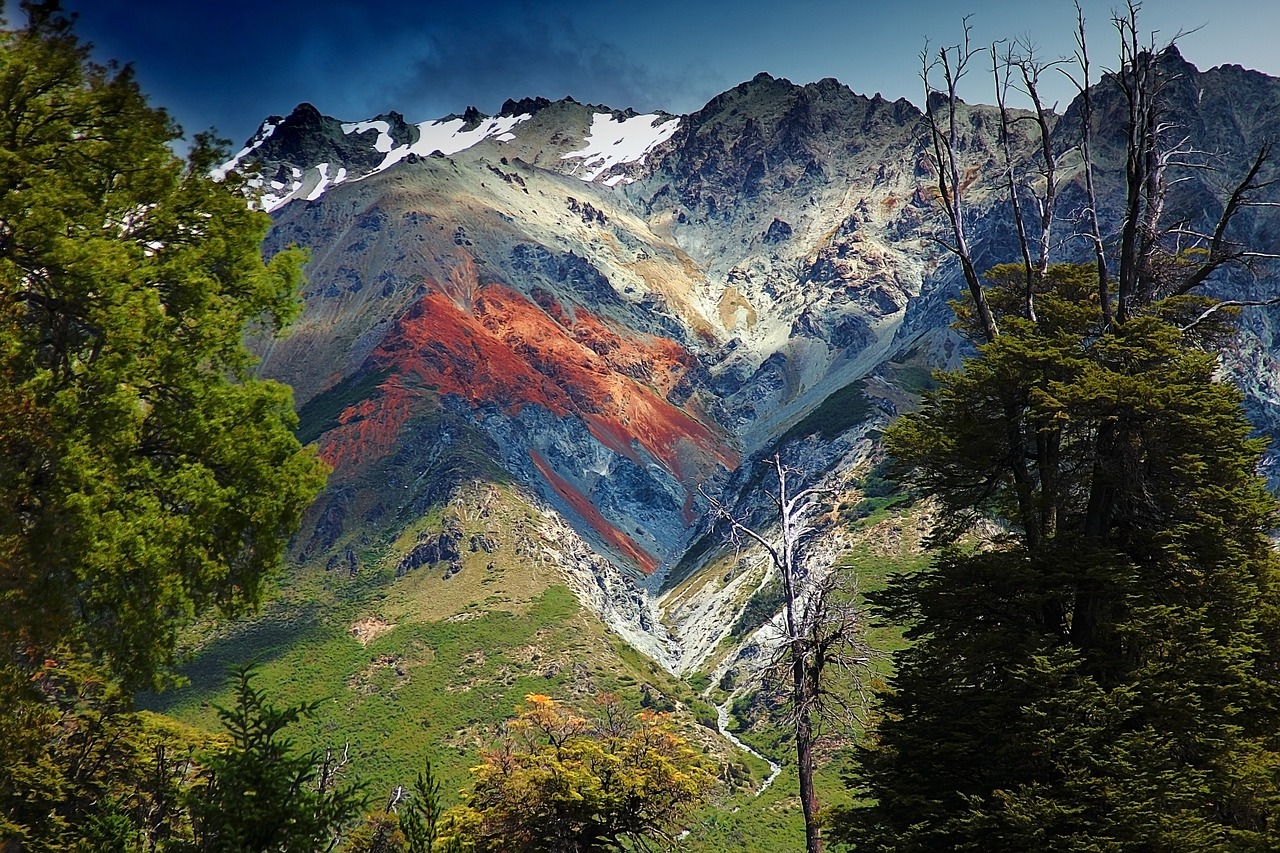
The Quebrada de Humahuaca, in Jujuy, is one of the most spectacular landscapes in the north. Its multicolored mountains, traditional villages and cultural heritage offer an experience completely different from Buenos Aires or Mendoza. Purmamarca, located next to the famous Hill of Seven Colors, is one of the best-known places in the region. Tours in Quebrada de Humahuaca allow visitors to explore different villages and viewpoints, while private tours offer greater flexibility to stop at markets, craft workshops and local restaurants.
Another outstanding destination is Tilcara, known for its archaeological heritage, cultural traditions and artistic atmosphere. The Pucará de Tilcara provides an insight into part of the region's pre-Hispanic history. Travelers interested in culture can combine the visit with gastronomic experiences and encounters with local artisans.
The region also offers the opportunity to discover a distinctive cuisine. Salta-style empanadas, humitas, tamales and different preparations based on corn and Andean products are part of the culinary identity of northwestern Argentina. Food tours in Salta and Jujuy allow visitors to discover these specialties in traditional restaurants and local markets.
In the far north of the country lies the province of Misiones, home to one of Argentina's great natural icons: Iguazú Falls. Located within a subtropical rainforest environment, the falls form an extraordinary collection of waterfalls and viewpoints.
The Devil's Throat is one of the most impressive points in the park. Visitors can explore different trails and walkways to observe the waterfalls from various perspectives. Tours in Iguazú can combine the park with boat trips, rainforest experiences and visits to other attractions in Misiones. Private tours allow visitors to adapt the schedule and pace of the visit.
The Iguazú region also offers opportunities to discover the biodiversity of the rainforest. Travelers interested in nature can take guided excursions to observe birds, butterflies and other species. These experiences show that the appeal of Misiones extends far beyond the waterfalls.
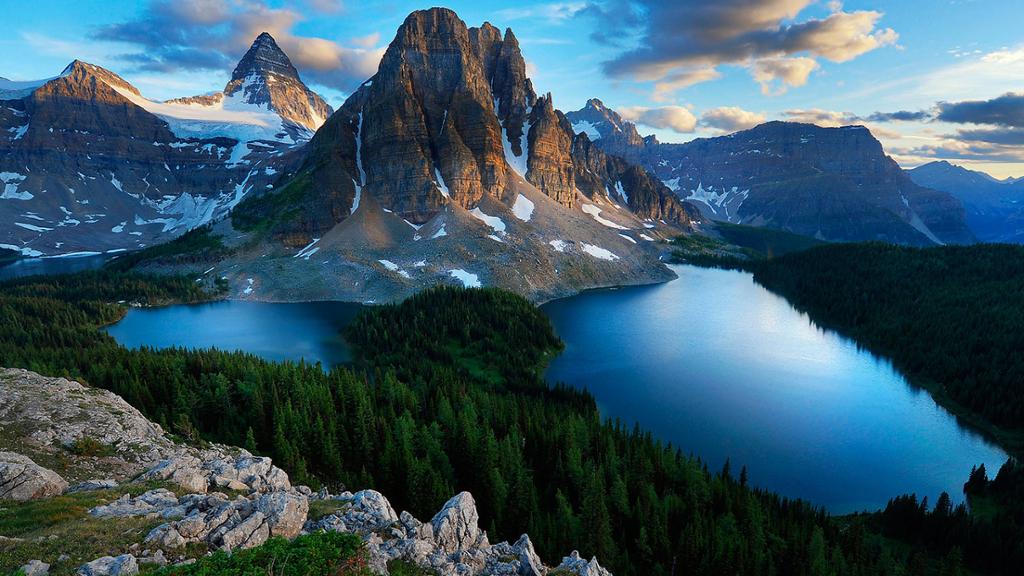
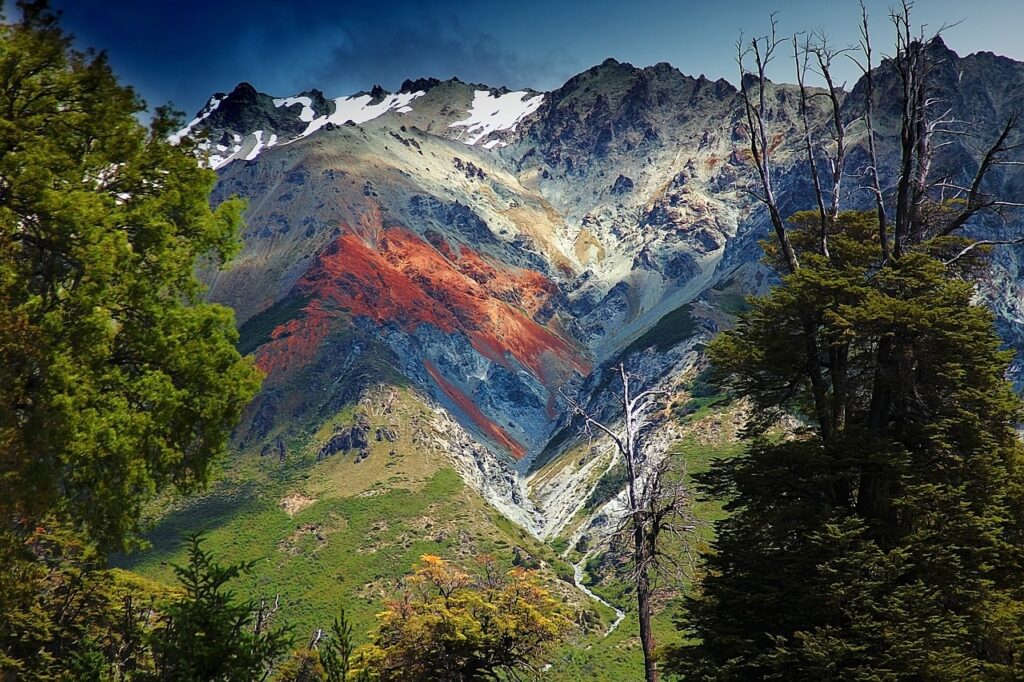
Patagonia is another major reason to visit Argentina. This vast region in the south of the country offers some of the most impressive natural landscapes on the continent. Mountains, lakes, forests, glaciers, steppes and national parks form a territory that is particularly attractive to travelers interested in adventure and nature.
El Calafate is one of Patagonia's main tourist centers thanks to the Perito Moreno Glacier, located within Los Glaciares National Park. The glacier offers different viewpoints and walkways from which visitors can admire its enormous ice front. There are also boat excursions that allow visitors to approach different glaciers and observe the landscape from the water.
Tours in El Calafate allow visitors to combine a visit to Perito Moreno with boat trips, nature excursions and gastronomic experiences. Private tours are particularly interesting for those who wish to adapt the itinerary to their schedules or include additional activities.
El Chaltén is another of Patagonia's great destinations and one of the most important places in Argentina for hiking. Trails offer views of mountains such as Fitz Roy and Cerro Torre, as well as lagoons, forests and valleys. There are routes of different difficulty levels, making it possible to adapt the experience to different levels of fitness and preparation.
Trekking tours in El Chaltén can be organized in groups with specialized guides, while private tours allow the duration of the hikes to be adapted and routes selected according to the physical condition of the participants.
Further south lies Ushuaia, in the province of Tierra del Fuego. Known for its southern location, the city is surrounded by mountains, forests and waterways. Tierra del Fuego National Park offers hiking trails and viewpoints, while boat trips along the Beagle Channel allow visitors to observe islands, birds and marine wildlife.
Tours in Ushuaia can combine boat trips, nature and gastronomy. Private tours allow visitors to organize customized excursions and adapt activities to weather conditions and the group's preferences.
Patagonia is also an important destination for adventure tourism. Depending on the region, visitors can enjoy trekking, kayaking, boat trips, fishing, horseback riding, rafting and other activities. During winter, certain destinations also offer opportunities for skiing and snow sports.
Another region that deserves special attention is Córdoba, located in the center of the country. Its mountain ranges, valleys and villages offer a quieter and more rural experience. The province is known for its landscapes, estancias and towns with a strong cultural identity.
Villa General Belgrano stands out for its architecture and Central European traditions. La Cumbrecita, meanwhile, offers a peaceful mountain setting that is ideal for walking and enjoying nature. Tours in Córdoba can combine villages, landscapes and gastronomy.
Argentina also has an important tradition of rural tourism. Estancias allow visitors to discover part of the culture associated with gauchos, livestock farming and rural life. These experiences can include horseback riding, traditional meals and demonstrations of equestrian activities.
Private tours of Argentine estancias are particularly interesting for those seeking authentic experiences away from the main tourist circuits.
In the northeast of the country, in addition to Iguazú, there are other areas of great natural importance. The Iberá Wetlands, in the province of Corrientes, form one of South America's great wetlands. The region is home to a wide variety of wildlife and offers boat trips, birdwatching and nature excursions.
Tours in the Iberá Wetlands offer a different experience focused on biodiversity and contact with natural landscapes. Private tours can be particularly well suited to photographers and travelers interested in wildlife.
The Argentine Atlantic coast also features important tourist destinations. Mar del Plata is one of the country's main beach resorts and combines coastline, gastronomy, entertainment and sports activities. Other coastal towns offer quieter and more family-oriented atmospheres.
Argentine cuisine is an element common to virtually all regions. The parrilla plays a central role, but each province contributes its own products and recipes. Mendoza is known for its wines; Patagonia for meats, fish and regional products; the north for empanadas and Andean dishes; and the major cities for a combination of traditional cuisine and contemporary culinary offerings.
Food tours in Argentina allow visitors to discover these regional differences. Private experiences can include cooking classes, market visits, meals in private homes or meetings with local producers.
Argentina is also an important destination for football lovers. The sport is part of the country's cultural identity, and attending a match or visiting a stadium can become a cultural experience. Specialized tours can explore the history of clubs, their neighborhoods and the relationship between football and society.
Argentine culture is also expressed through music, literature, cinema, art and traditional festivals. Buenos Aires offers numerous museums and cultural spaces, while the provinces preserve regional celebrations and popular traditions.
For those seeking cultural trips, Argentina offers the opportunity to combine museums and monuments with local experiences. Private tours can be designed around specific themes such as architecture, history, tango, literature, gastronomy or contemporary art.
Argentina is equally suitable for family trips. Major cities, national parks, nature activities and gastronomic experiences make it possible to create itineraries adapted to different ages. Private tours offer greater flexibility when organizing schedules and activities.
For couples, Argentina offers possibilities ranging from urban getaways and gastronomic experiences to rural hotels, wine routes and natural landscapes. For groups of friends, adventure activities, gastronomic tourism and nature experiences can be combined into dynamic itineraries.
Reasons to Visit Argentina:
Visiting Argentina means discovering a country where each region offers a different experience. One of the main reasons to travel is precisely its extraordinary geographical diversity. Few destinations allow travelers to combine a major capital, tropical rainforests, vineyards, mountains and glaciers in a single trip.
- Buenos Aires: Its architecture, neighborhoods, gastronomy, nightlife and especially tango make it one of South America's great cultural destinations. Group tours allow visitors to discover the main attractions, while private tours offer more personalized itineraries.
- Patagonia: Perito Moreno, Fitz Roy, the lakes and national parks offer landscapes that are difficult to find anywhere else in the world. For nature and adventure lovers, a trip through this region can include trekking, boat trips, photography and wildlife observation.
- Iguazú Falls: The contrast between the subtropical rainforest and the enormous waterfalls makes this one of the most spectacular experiences of any trip to Argentina.
- Mendoza: A must for those who enjoy wine and gastronomy. The wineries of Uco Valley and Luján de Cuyo offer tasting experiences in settings surrounded by mountains.
- Northwestern Argentina: A chance to discover Andean roots and a particularly colorful part of the country's cultural heritage. Salta, Jujuy, Purmamarca and Tilcara offer architecture, traditions, markets and unique landscapes.
- Adventure: Argentina offers opportunities for hiking, skiing, rafting, kayaking, boat trips, horseback riding and many other activities.
- Gastronomy: Trying an Argentine barbecue, discovering wines from different regions, tasting regional empanadas or taking part in a culinary experience provides a deeper understanding of the country's identity.
- Culture and history: Travelers interested in culture and history will find numerous museums, historic buildings and memorial sites. Buenos Aires concentrates an important part of this heritage, but the provinces also possess enormous cultural wealth.
- Photography: The landscapes of Patagonia, the waterfalls, the mountains of the northwest, the vineyards and the architecture of Buenos Aires offer an extraordinary variety of settings.
- Private tours: Private tours in Argentina are particularly recommended for travelers who want to design a tailor-made journey. It is possible to combine urban and natural destinations, adjust travel times and select specific gastronomic or cultural experiences.
- Group tours: Group tours in Argentina are a practical alternative for those who prefer organized itineraries and want to visit several destinations accompanied by other travelers and specialized guides.
Ultimately, Argentina is a destination of enormous richness and diversity. Its size, landscapes and culture allow travelers to create very different types of journeys. From a cultural getaway to Buenos Aires to an adventure in Patagonia, from a wine route in Mendoza to a nature experience in Iguazú, the country offers options for virtually every type of traveler.
Argentina can be a destination for a first visit to South America, but it also offers enough depth for those who wish to return and discover new regions. Each trip provides an opportunity to explore a different part of the country and discover new traditions, landscapes and flavors.
Guided group tours make organization easier and allow visitors to discover the main attractions, while private tours offer a more flexible and personalized experience. Both formats provide different ways to discover Argentina and adapt to different travel styles.
In summary, Argentina combines culture, history, nature, gastronomy and adventure on an extraordinary scale. Buenos Aires, Mendoza, Iguazú, Salta, Jujuy, Córdoba, El Calafate, El Chaltén and Ushuaia are just some of the destinations that can form part of a much broader journey through the country.
Whether exploring historic neighborhoods, enjoying a tango show, tasting wines, hiking through mountains, sailing among glaciers, admiring waterfalls or discovering local communities and traditions, Argentina offers experiences capable of turning a trip into a memorable journey.