Bosnia and Herzegovina combines extraordinary cultural diversity with spectacular natural landscapes. Located in the heart of the Balkans, its history has been shaped by interaction between different civilizations and traditions. Ottoman, Austro-Hungarian, Slavic, Mediterranean and religious influences remain visible throughout its cities and countryside.
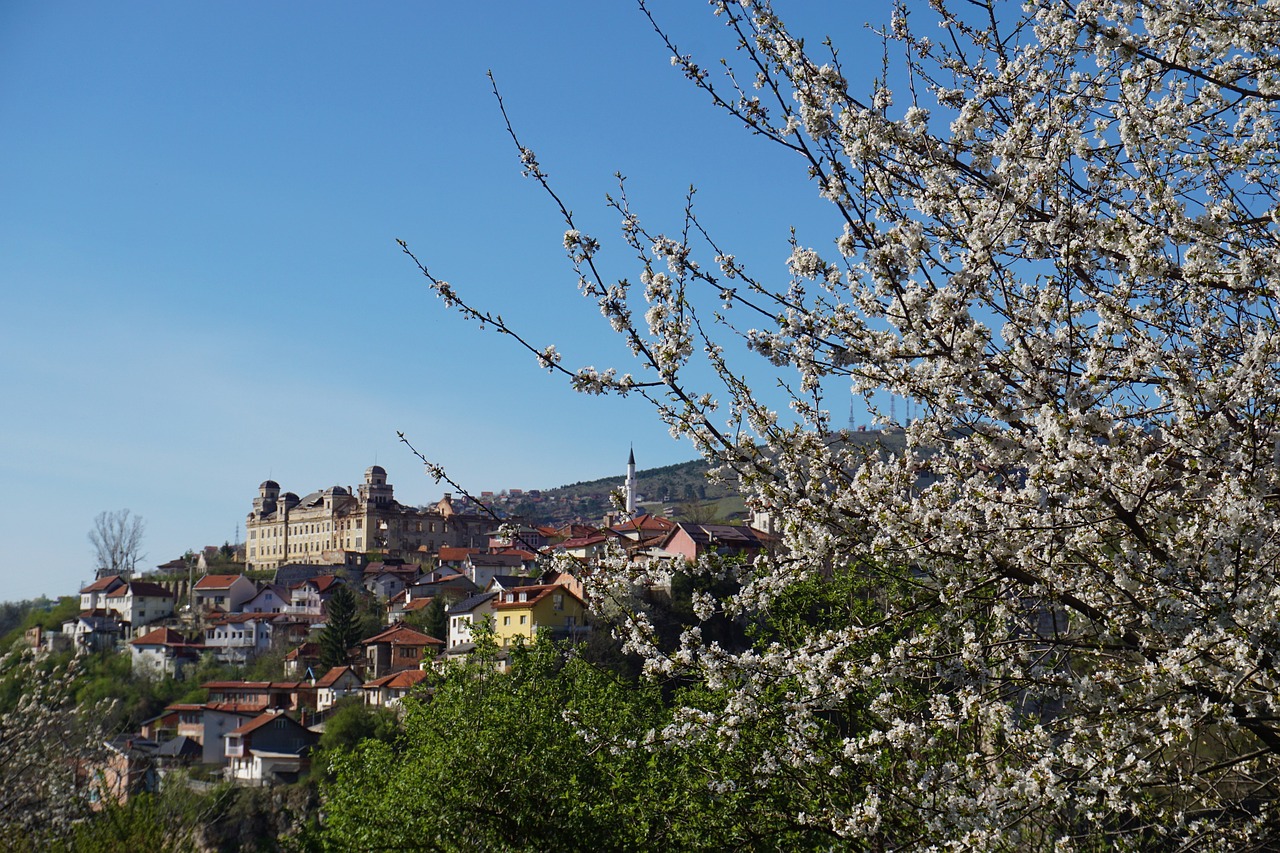
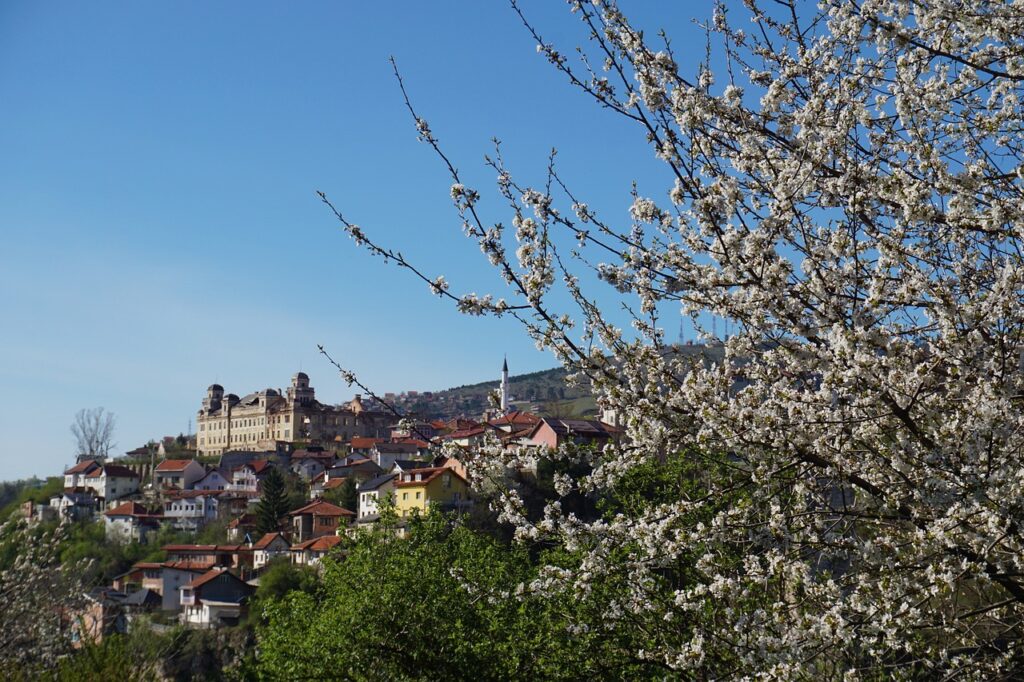
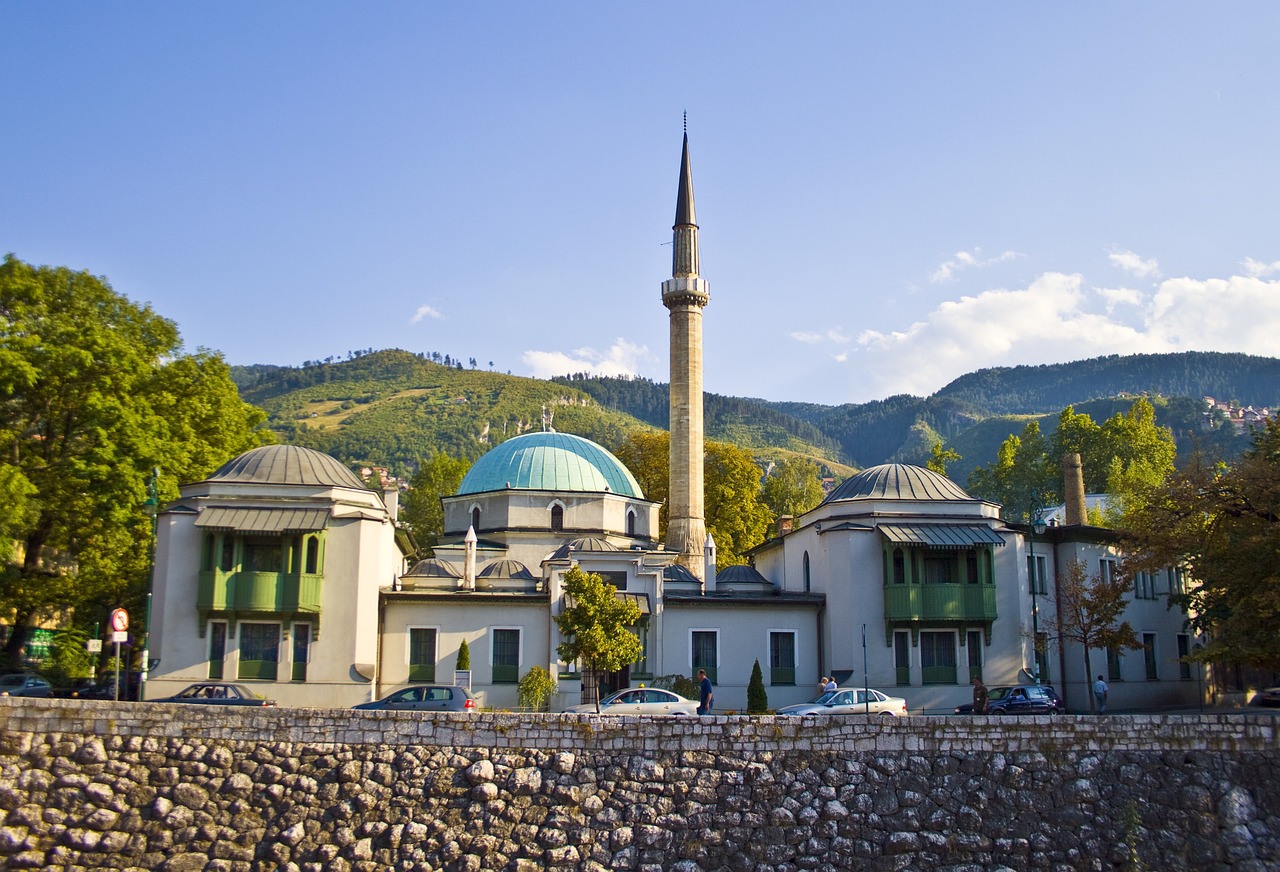
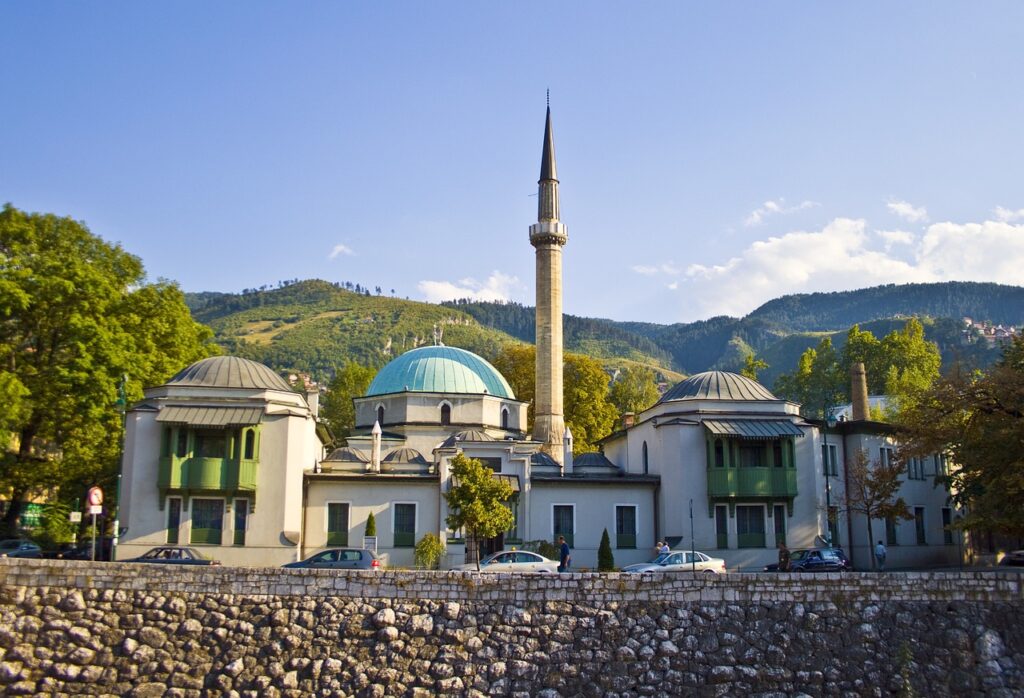
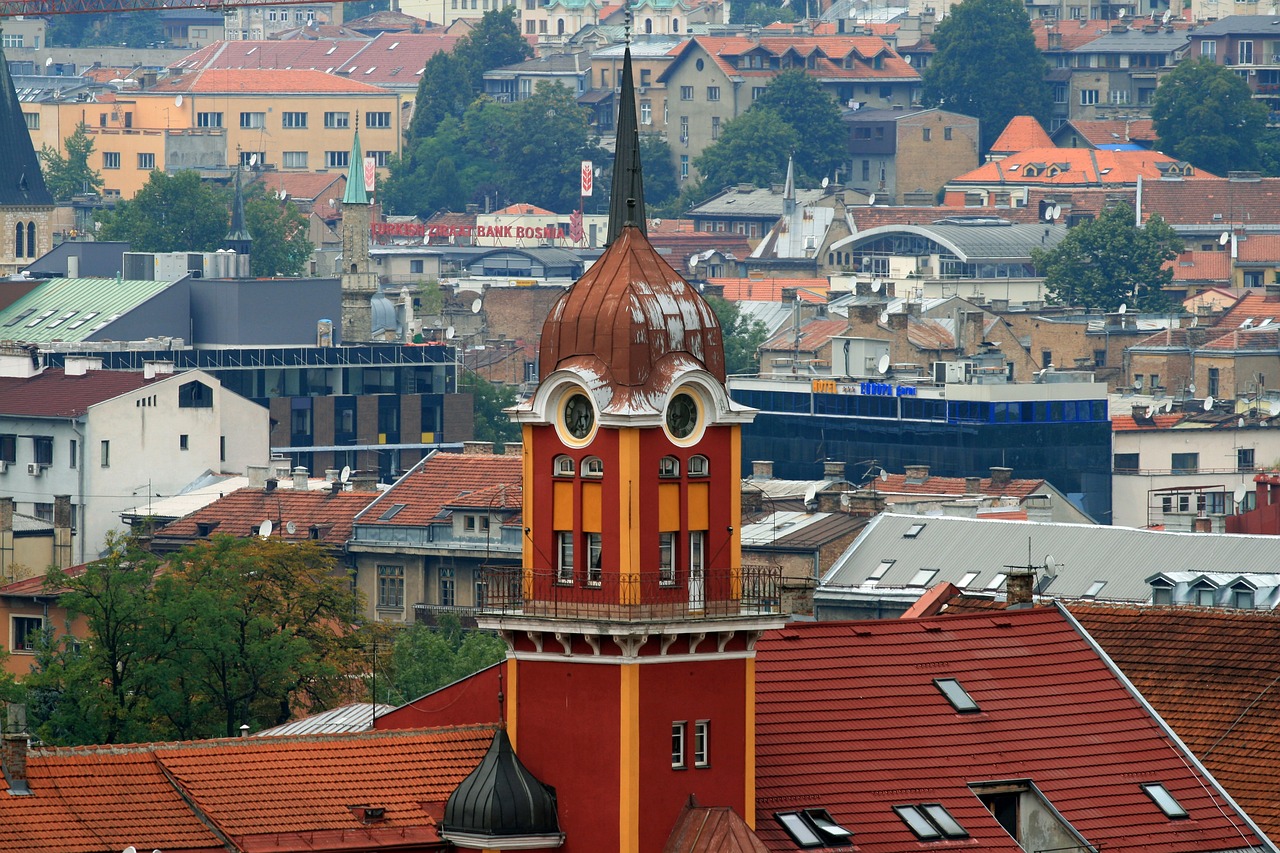
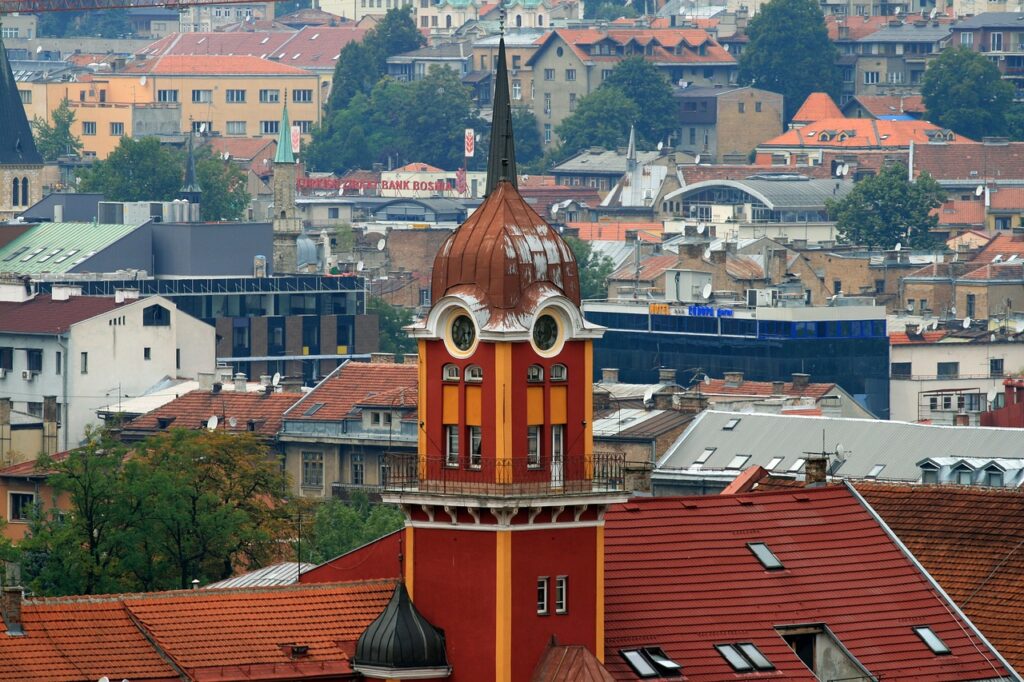
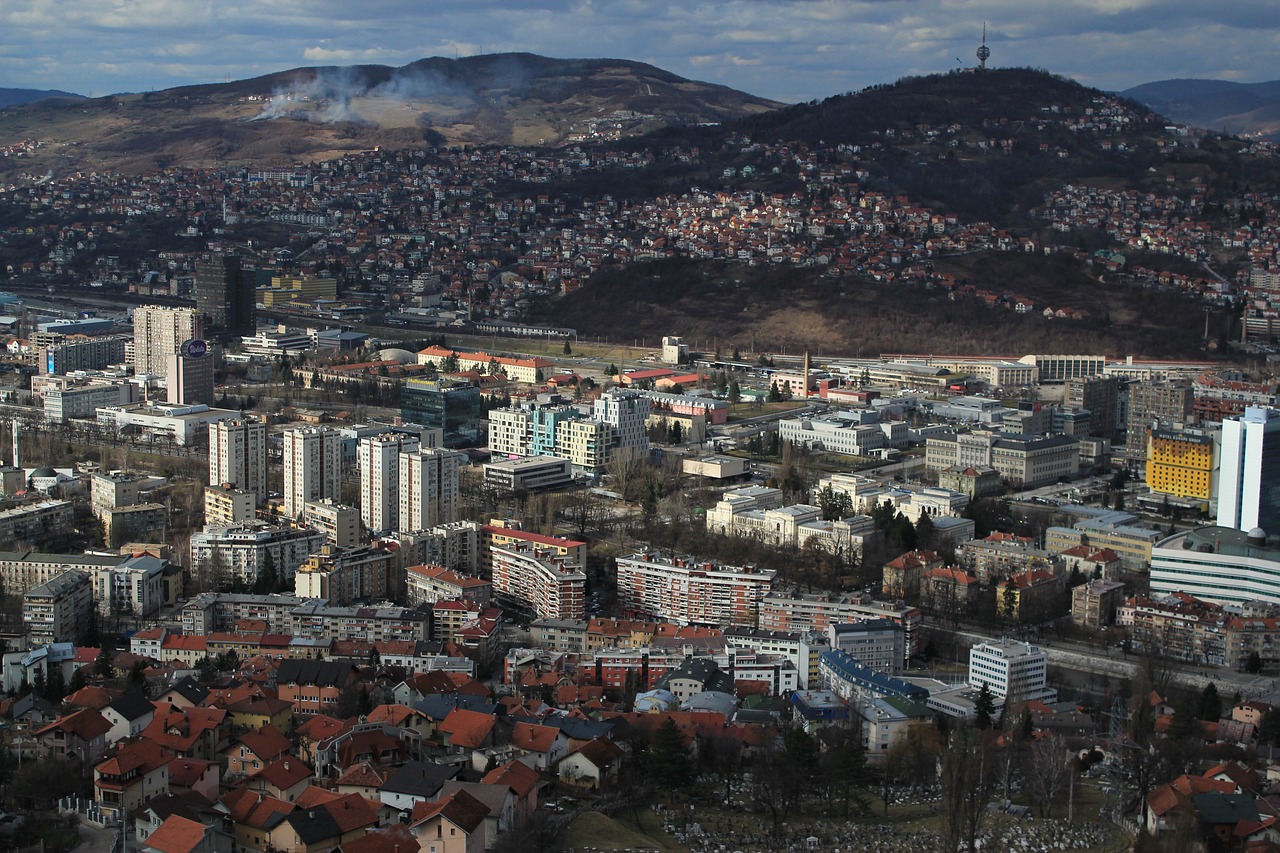
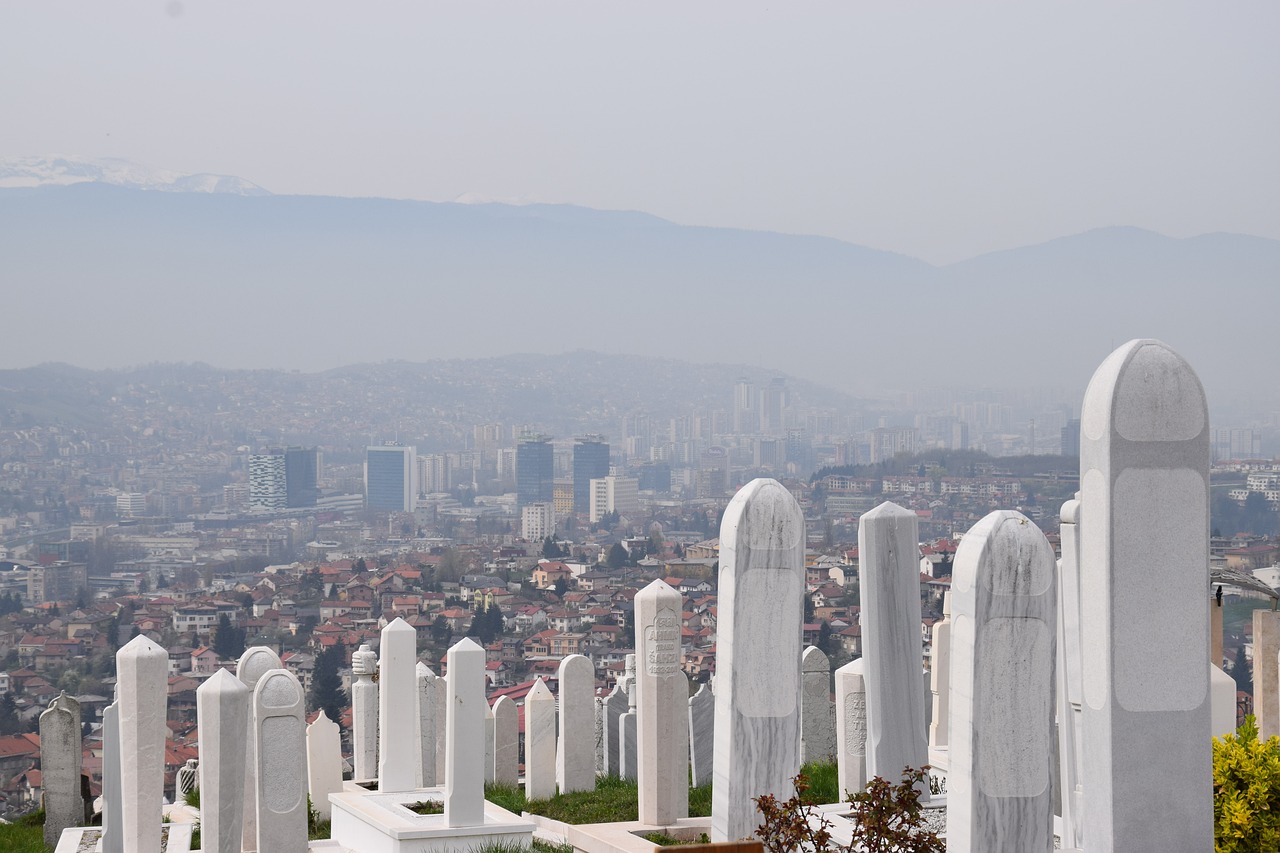
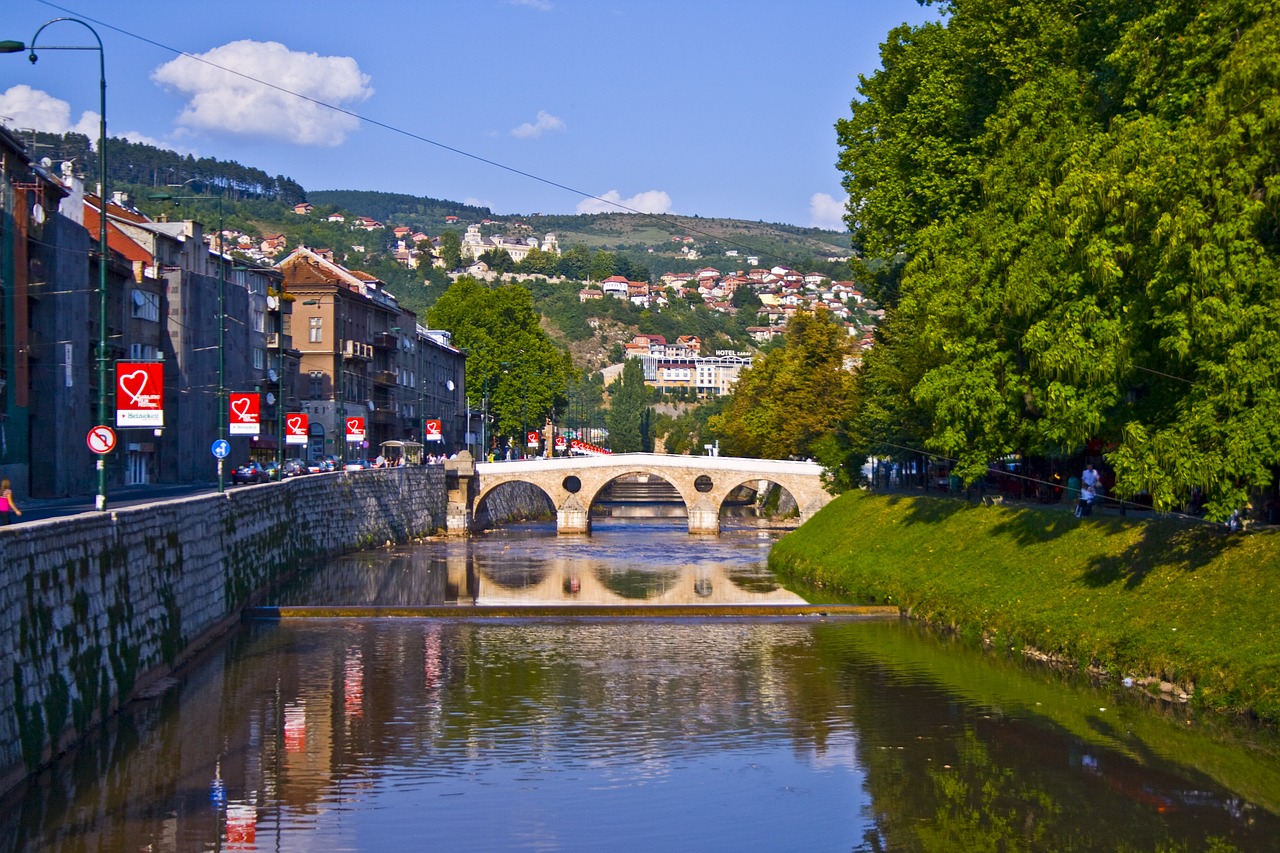
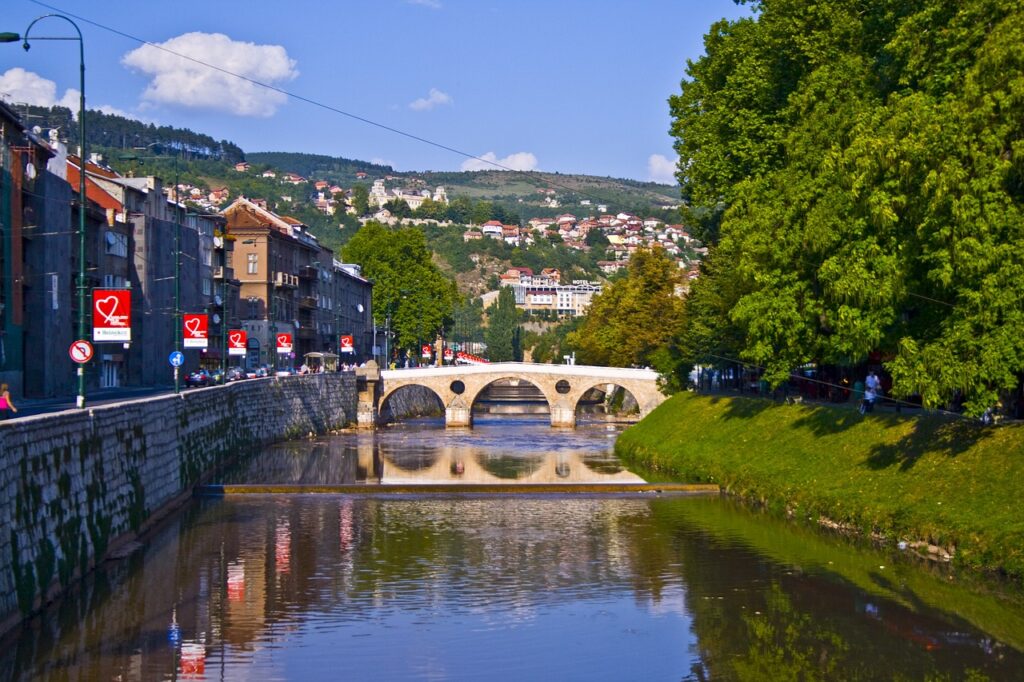
Sarajevo, the capital, is the natural starting point for exploring the country. Its multicultural identity can be seen in mosques, churches, markets, Austro-Hungarian buildings and historic streets.
Baščaršija, the historic Ottoman bazaar, is one of Sarajevo's most distinctive areas. Its narrow streets, artisan workshops, cafés and traditional restaurants provide an important introduction to local culture.
Tours in Sarajevo can focus on architecture, history, gastronomy or religion. Specialized experiences also explore the city's recent history and the Siege of Sarajevo, which profoundly affected its population.
Private tours in Sarajevo allow travelers to spend more time at selected sites and adapt the itinerary to individual interests.
Mostar is another major destination. Its famous Old Bridge, spanning the Neretva River, has become one of the most recognizable symbols of the Balkans.
Mostar's historic center features stone streets, bazaars, restaurants, mosques and churches. Tours in Mostar provide context about the city's history and its role as a meeting point between different cultures.
The surrounding area contains important natural attractions. The Kravica Waterfalls are among Herzegovina's most spectacular sites and can easily be visited on day excursions from Mostar.
Blagaj is another essential stop. The Buna River emerges beside a dramatic rocky landscape containing a historic dervish tekija. The site combines nature, architecture and spirituality.
Jajce offers a particularly interesting combination of history and nature. Its waterfall in the middle of town and medieval fortress make it one of the country's most distinctive destinations.
Bosnia and Herzegovina is also an excellent destination for mountains and adventure. The areas around Sarajevo offer hiking, skiing and other outdoor activities.
The country's rivers are equally important. The Neretva provides opportunities for rafting and other water activities, while mountainous regions offer hiking and cycling routes.
Bosnian cuisine is another essential part of the travel experience. Ćevapi, burek, grilled meats, stews, breads and traditional desserts reflect Balkan and Ottoman influences.
Food tours in Bosnia and Herzegovina introduce visitors to markets, traditional restaurants and regional specialties. Private culinary experiences can include meals with producers and cooking classes.
Recent history is an unavoidable part of many itineraries. Sarajevo and other cities preserve sites associated with the conflicts of the 1990s. Historical tours provide context for these events and their consequences.
Bosnia and Herzegovina also offers quieter travel experiences. Small villages, rivers, mountains and rural landscapes are ideal for travelers seeking destinations away from the main tourist routes.
Reasons to visit Bosnia and Herzegovina:
- Sarajevo: provides one of the Balkans' most distinctive cultural experiences.
- Mostar: stands out for its Old Bridge and historic center.
- Kravica Waterfalls: are among the country's principal natural attractions.
- Blagaj: combines scenery, religious heritage and history.
- Jajce: offers a medieval town surrounded by nature.
- Bosnian mountains and rivers: provide opportunities for hiking, rafting and skiing.
- Bosnian cuisine: reveals the country's Ottoman and Balkan influences.
- Recent history: makes Bosnia and Herzegovina particularly interesting for travelers interested in history and culture.
Private tours allow highly personalized itineraries, while group tours provide an organized way to explore several destinations.
In summary, Bosnia and Herzegovina combines history, culture, nature, gastronomy and adventure, making it particularly appealing to travelers looking to discover a less conventional side of Europe.