Cuba is one of the Caribbean's most distinctive destinations. The island combines historic cities, colonial architecture, tropical beaches, rural landscapes, music, gastronomy and a cultural identity shaped by Spanish, African, Caribbean and Latin American influences.
Tours in Cuba can range from Havana-focused cultural journeys to itineraries combining historic cities, beaches, countryside and nature. Private tours in Cuba provide flexibility for travelers who want to explore at their own pace, while group tours offer an organized way to visit the country's main attractions.
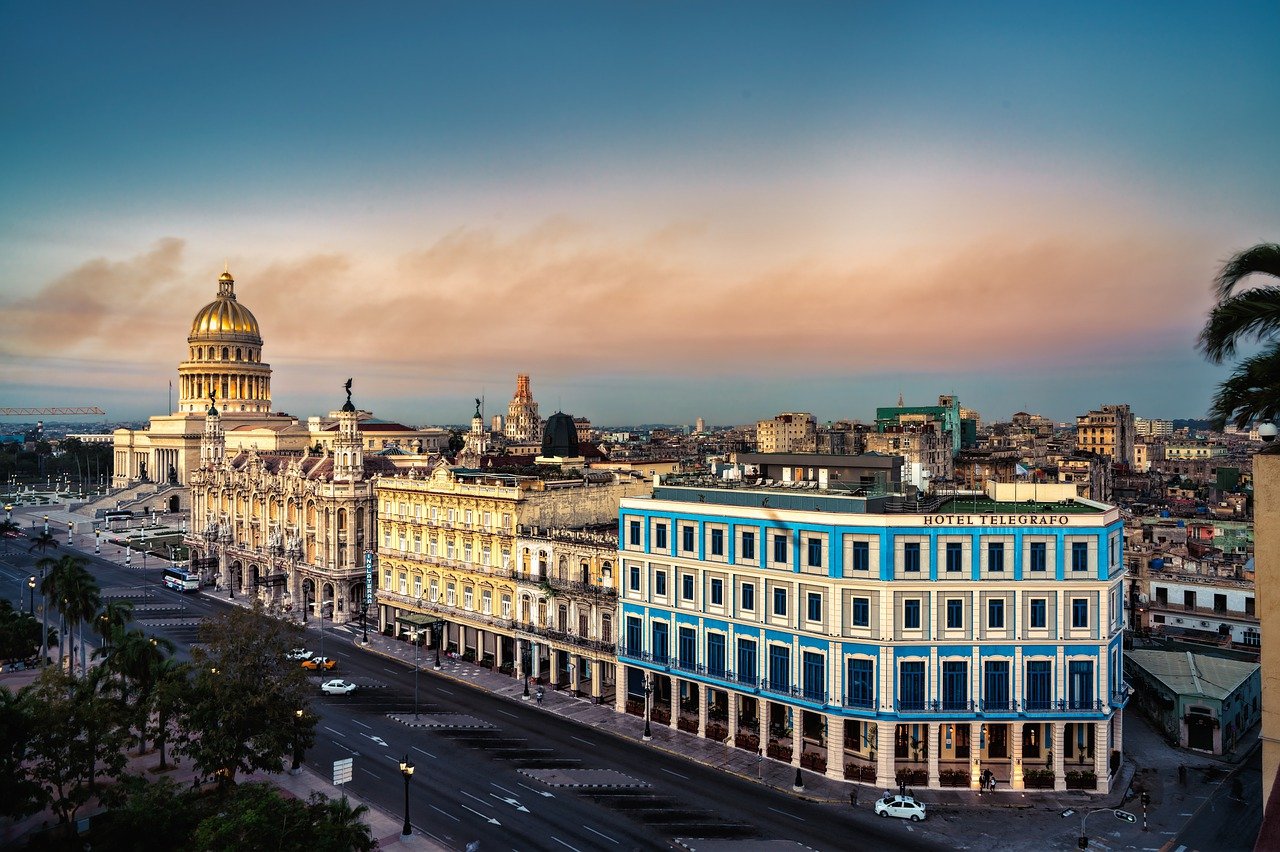
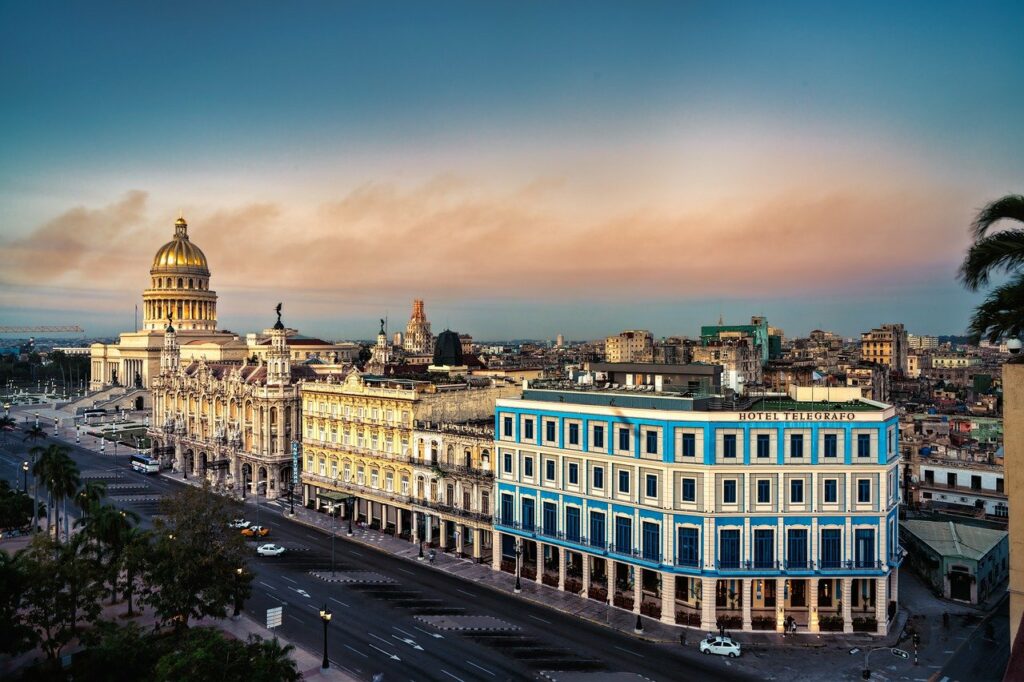
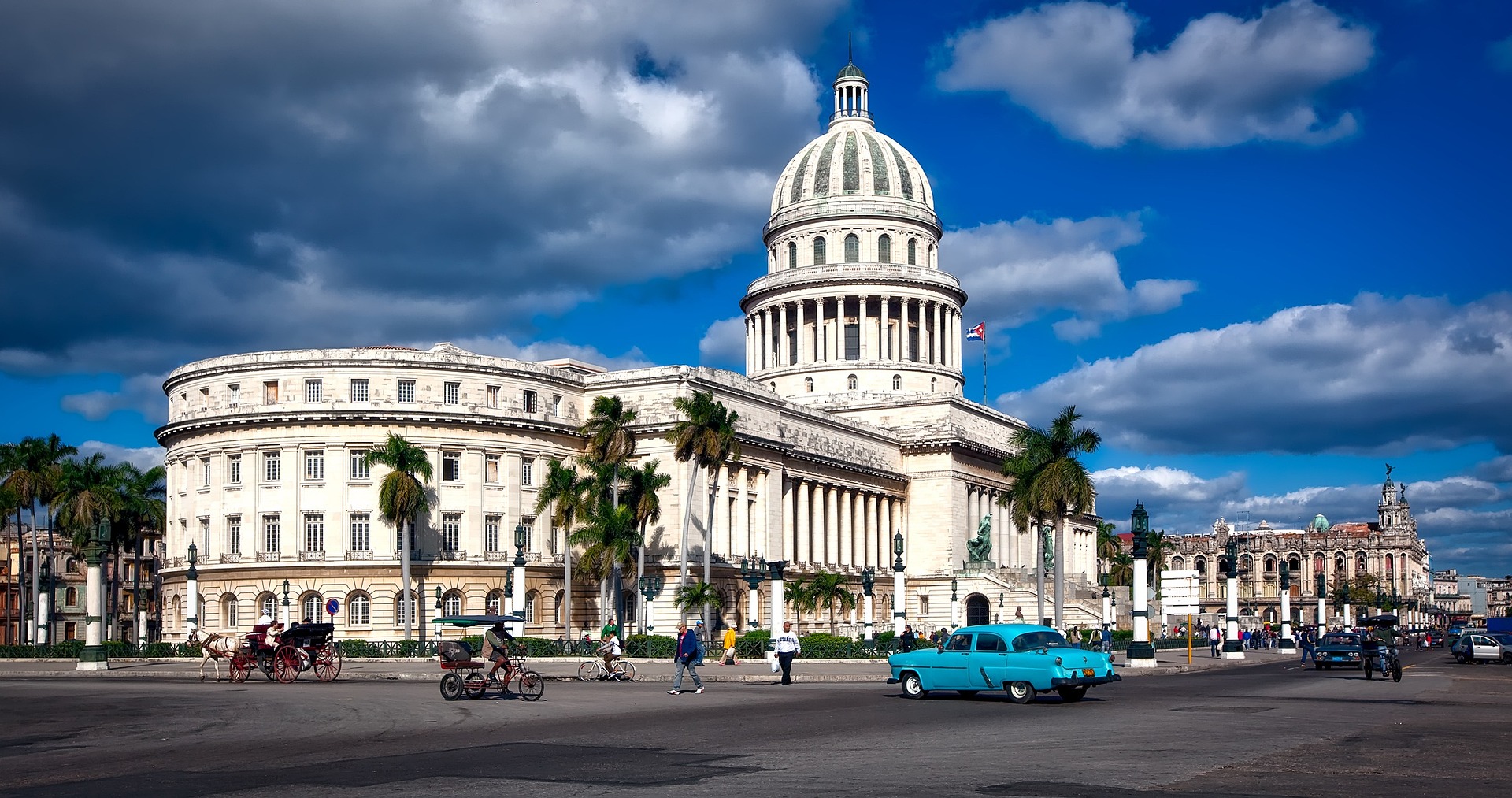
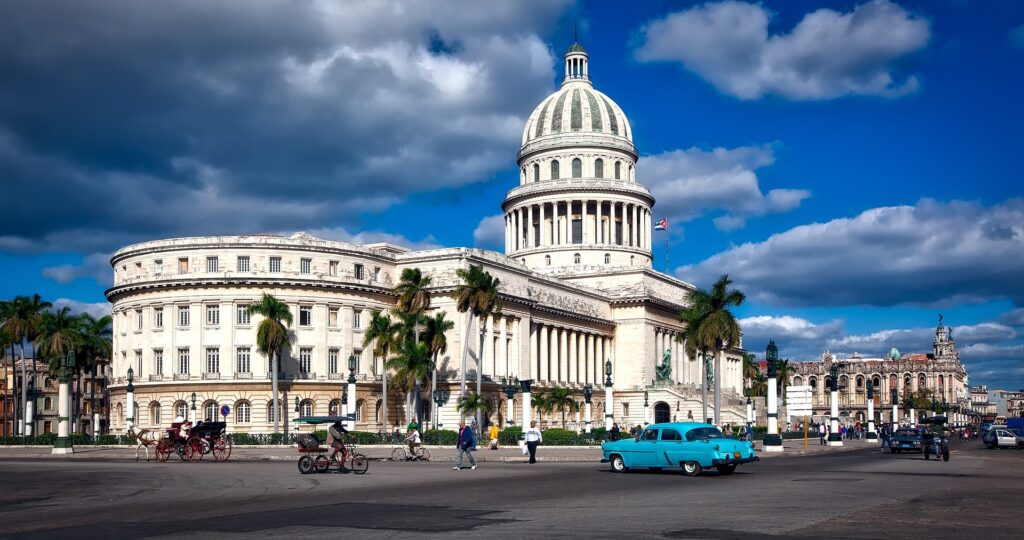
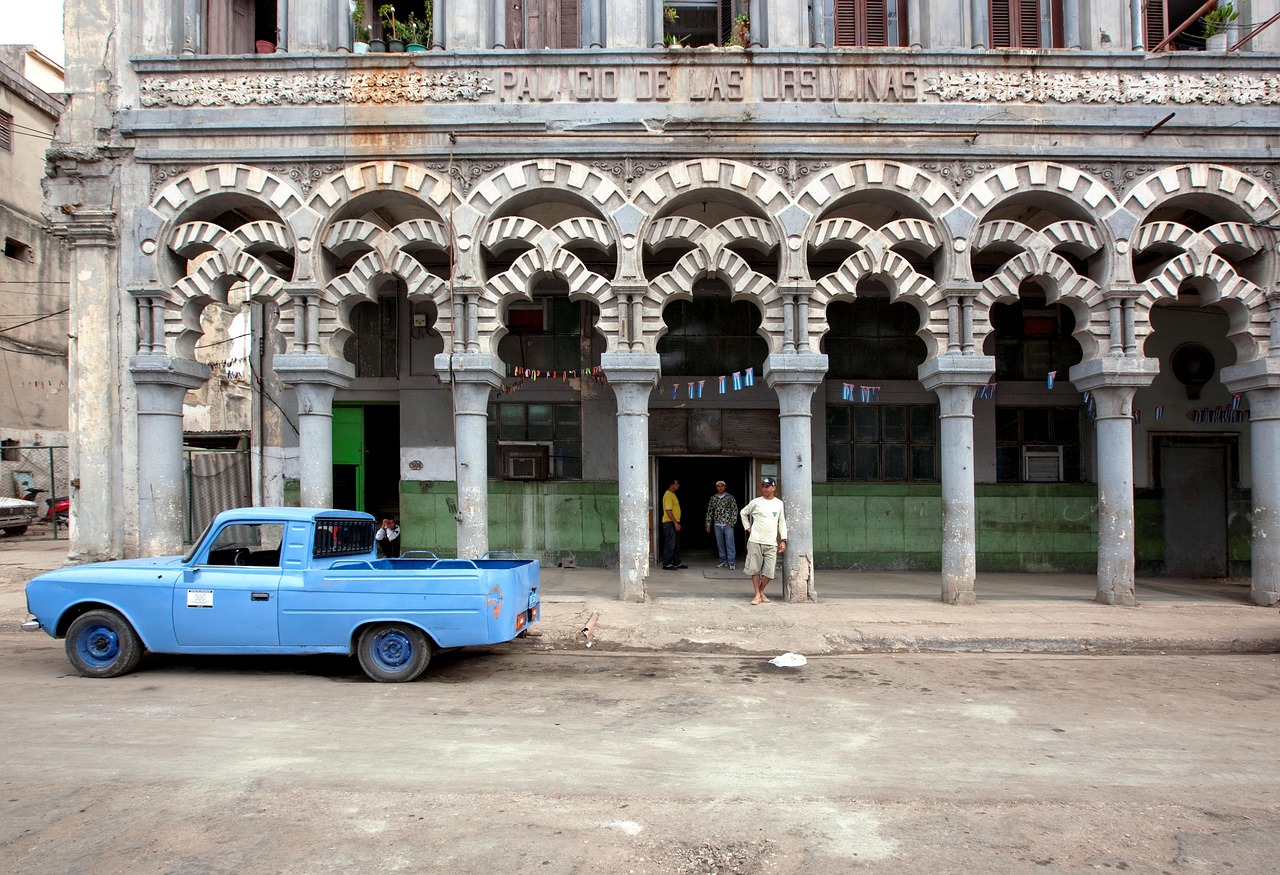
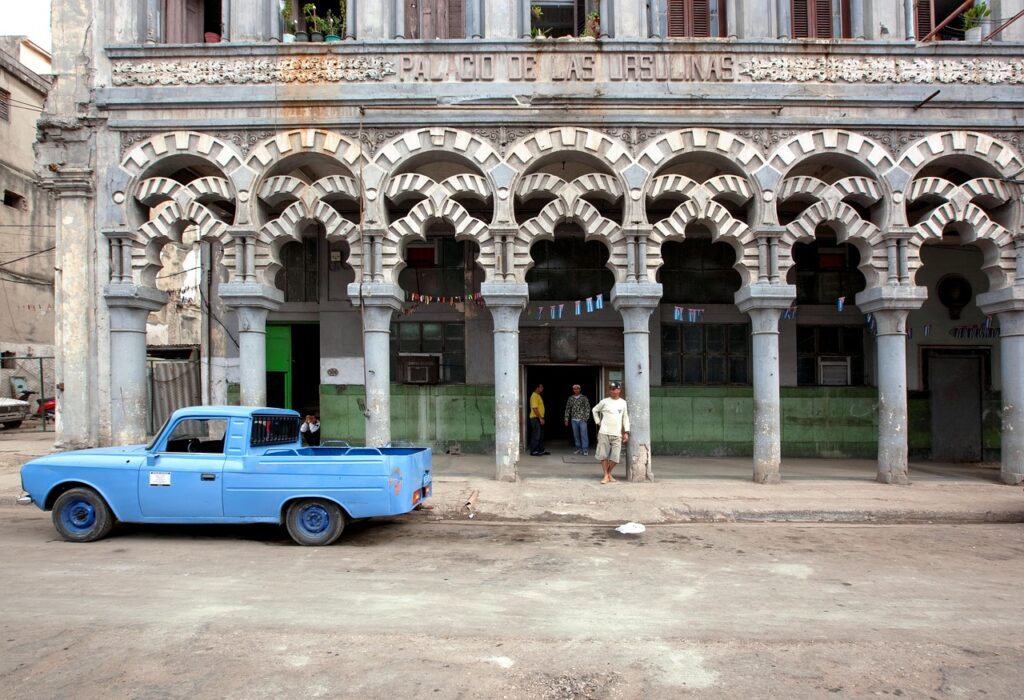
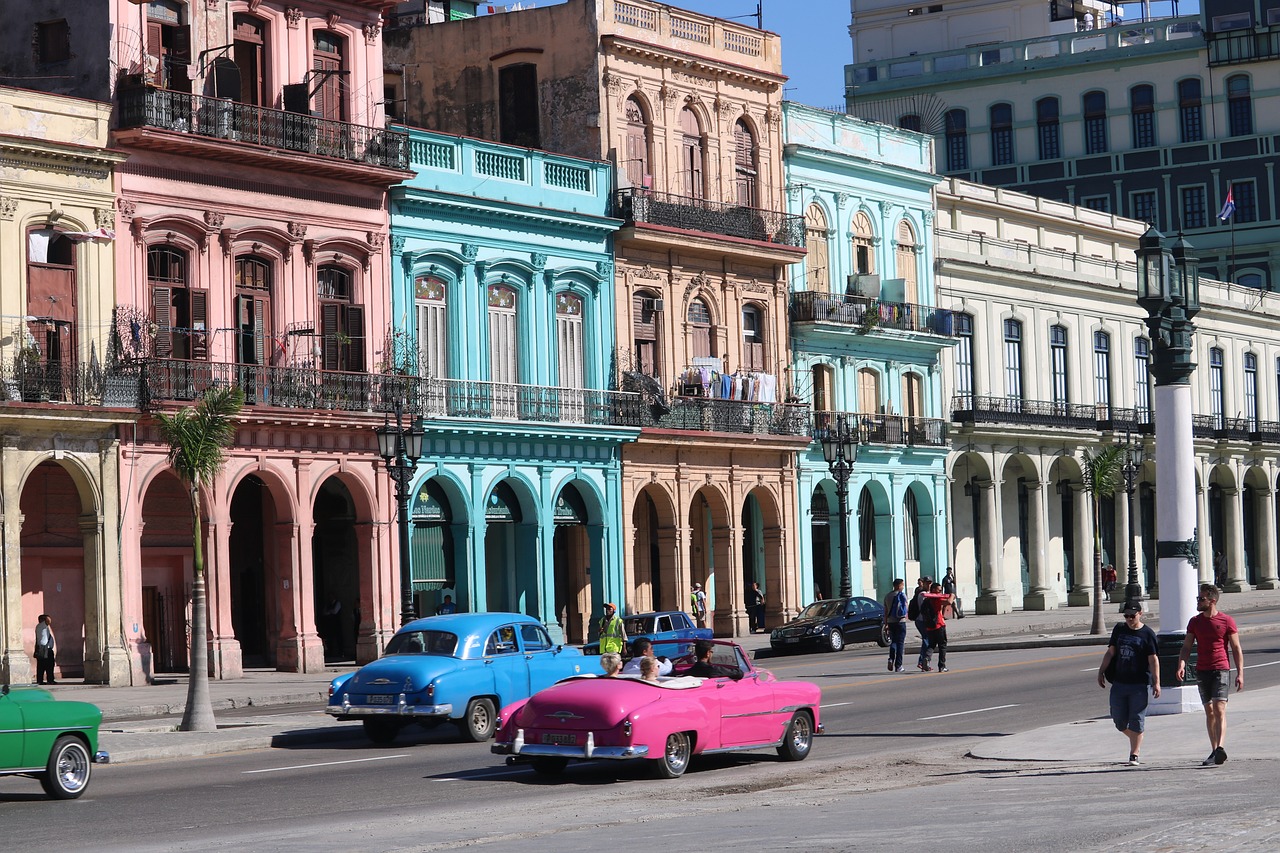
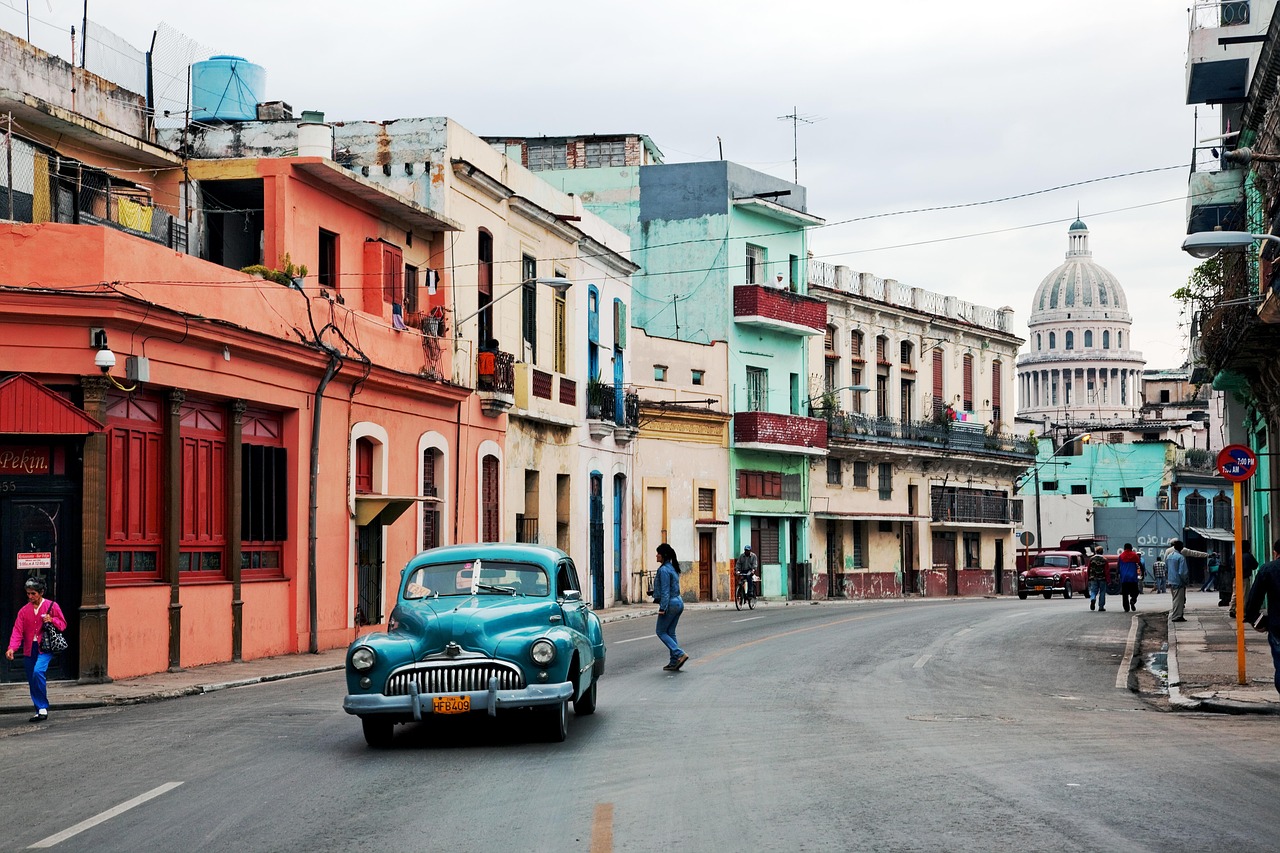
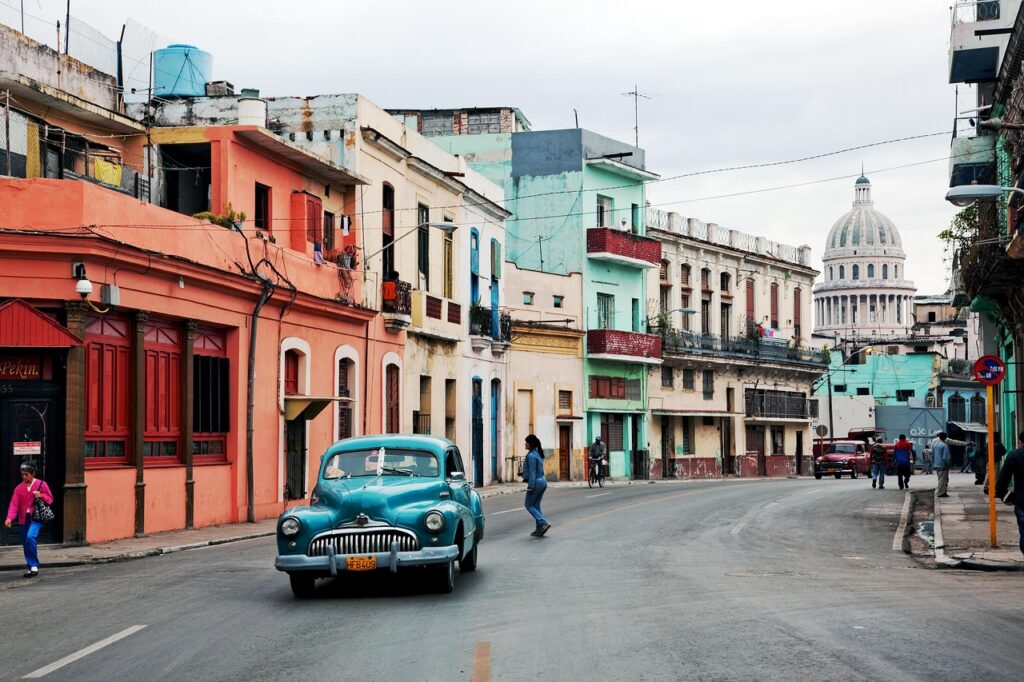
Havana is the principal gateway and one of Cuba's greatest attractions. Old Havana contains remarkable architectural heritage, with historic squares, churches, palaces, colonial houses and narrow streets.
Tours in Old Havana can include Plaza de Armas, Plaza de la Catedral and Plaza Vieja. Private tours can focus on architecture, history, music or food and continue into neighborhoods such as Vedado and Miramar.
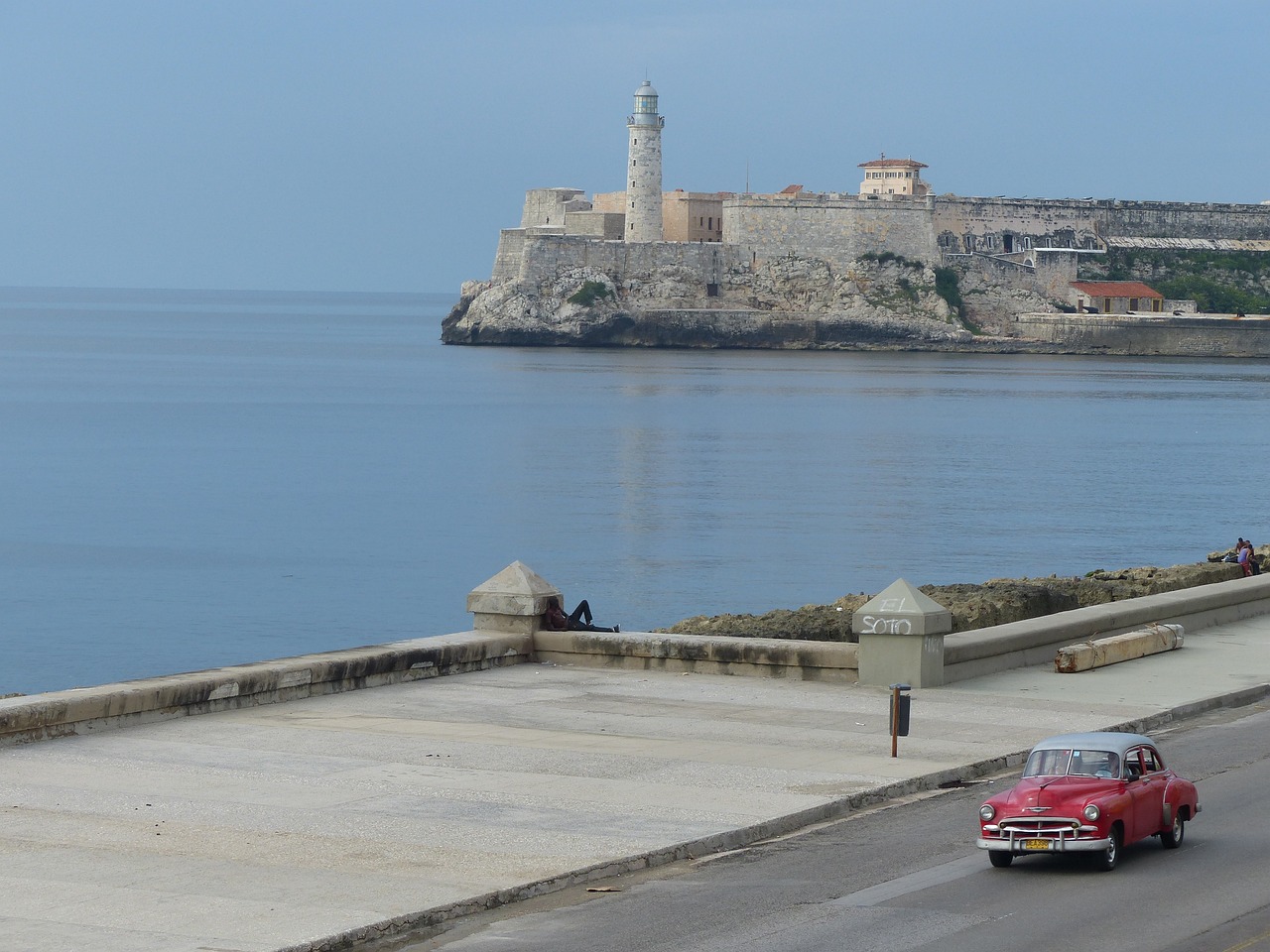
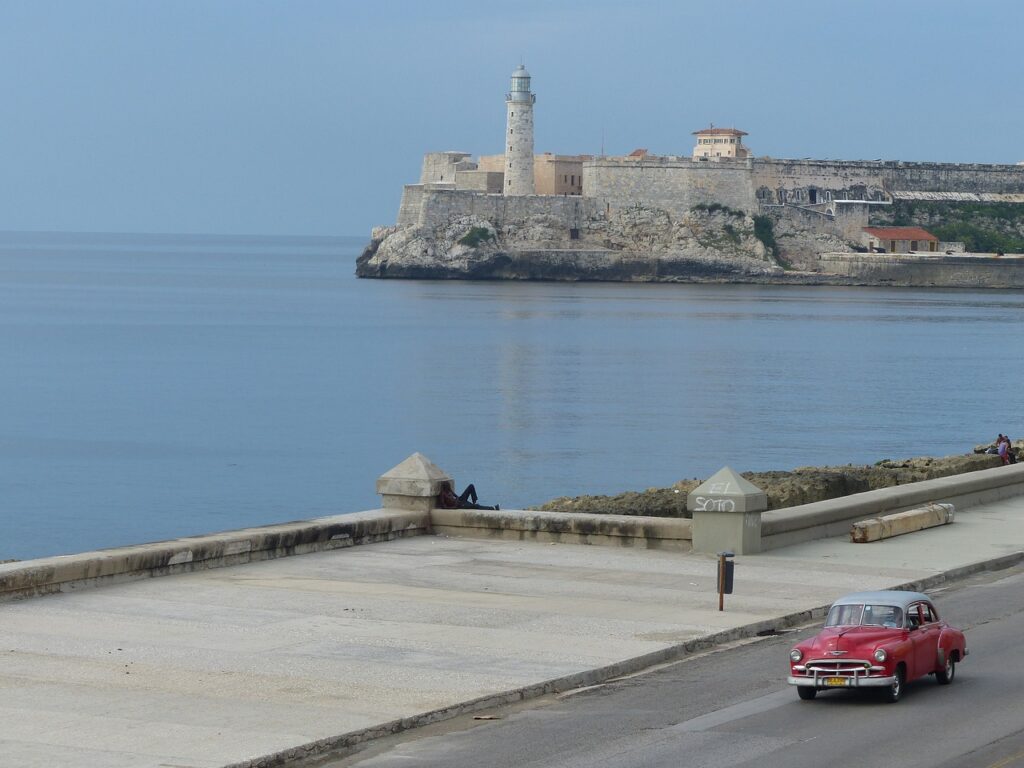
The Malecón is another iconic part of Havana. This waterfront promenade provides a different perspective on everyday life and becomes particularly atmospheric around sunset.
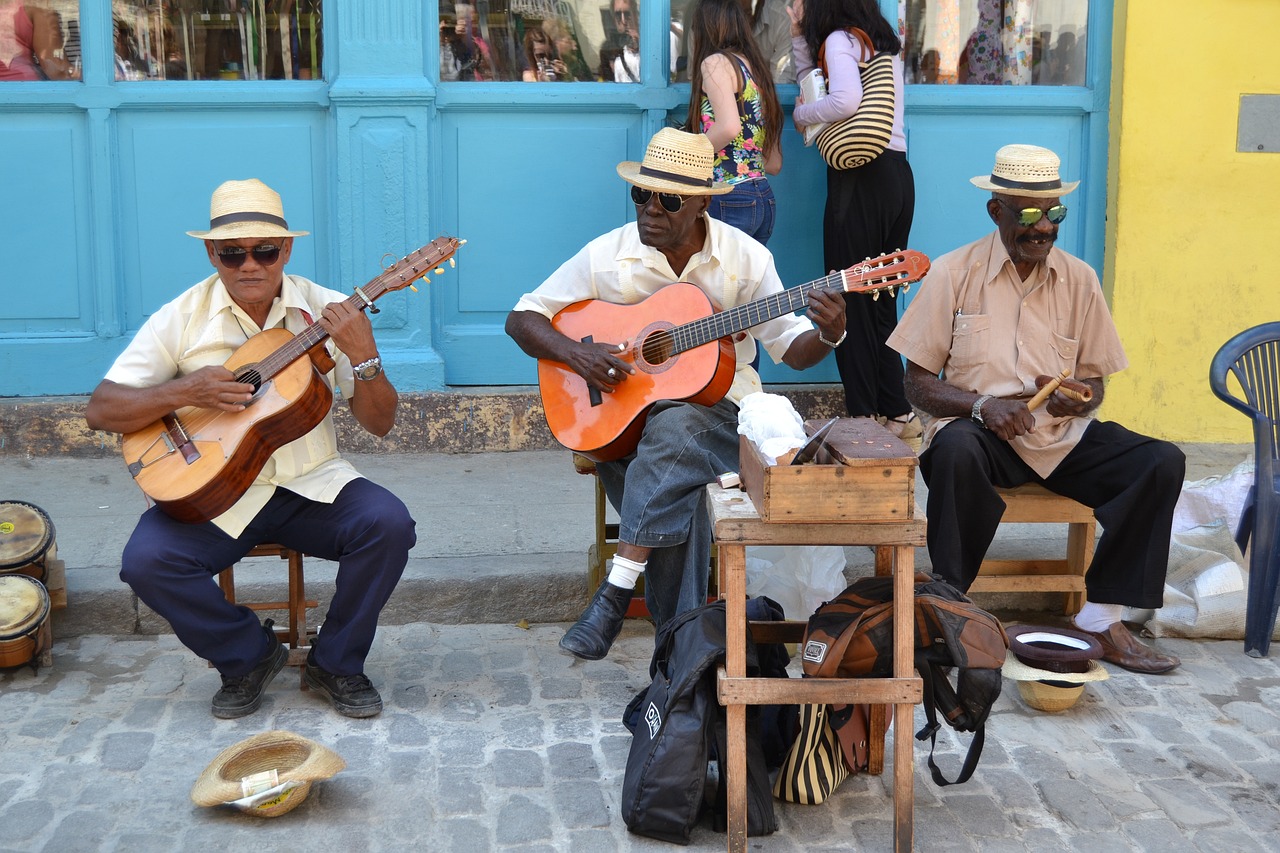
Music is central to Cuban culture. Son, salsa, bolero and other styles can be experienced in clubs, squares and small venues. Music tours in Havana provide opportunities to explore this heritage and enjoy live performances.
Cuban cuisine reflects the island's cultural mixture. Rice, beans, pork, meat, fish and tropical ingredients feature prominently. Food tours in Cuba can include markets, local restaurants, cooking experiences and tastings.
Outside Havana, Viñales is one of the country's most popular destinations. The Viñales Valley is famous for its dramatic limestone formations, tobacco fields and rural scenery.
Tours in Viñales can include tobacco plantations, horseback riding, hiking and meetings with local producers. Private excursions offer more flexibility for scenic stops.
Tobacco is one of Cuba's best-known agricultural traditions. Plantation visits explain how tobacco is cultivated and processed and can be particularly interesting for travelers interested in craftsmanship and local traditions.
Trinidad is another essential destination. Its historic center preserves cobbled streets, colonial houses, churches and squares.
Tours in Trinidad introduce visitors to Plaza Mayor, museums and artisan workshops. The city also has a lively music scene, particularly in the evenings.
Nearby, the Valley of the Sugar Mills provides insight into Cuba's sugar-producing past and its importance to the country's economic and social development.
Cienfuegos offers another perspective. Known for French architectural influences, its historic center, waterfront and elegant buildings make it an attractive stop.
Santa Clara is particularly associated with twentieth-century Cuban history. The Che Guevara Mausoleum attracts visitors interested in the country's revolutionary history.
Cuba's coastline provides some of the Caribbean's most famous tropical landscapes. Varadero is the country's best-known beach destination, offering long sandy beaches, warm waters and numerous activities.
Tours in Varadero can combine beach time with boat trips, snorkeling, diving and coastal excursions. Private experiences provide additional flexibility.
Cuba also contains protected natural areas suitable for hiking, birdwatching and nature excursions.
The island offers excellent opportunities for snorkeling and diving, thanks to clear waters, reefs and marine biodiversity.
Dance is another central element of Cuban culture. Salsa, rumba and other styles can be experienced through classes and performances. Private dance experiences offer an especially engaging way to connect with local culture.
Rural tourism provides another perspective. Small communities, farms and plantations reveal a quieter side of Cuba away from the major tourist centers.
Cuba is also well suited to cultural travel, with colonial architecture, museums, music, literature and history providing material for specialized itineraries.
Reasons to visit Cuba:
- Havana: is one of the country's principal reasons to visit, thanks to its architecture, music, historic squares and atmosphere.
- Viñales: reveals tobacco culture, famous limestone mogotes and rural landscapes.
- Trinidad: provides one of the Caribbean's most atmospheric and best-preserved colonial historic centers.
- Cienfuegos: adds French architectural influences and a unique coastal ambiance.
- Varadero: ideal for white-sand tropical beaches, water activities and relaxation.
- Cuban music: is another major attraction, with son, salsa, bolero and rumba forming a remarkably rich tradition.
- Gastronomy and culture: provides another engaging way to understand the country's identity.
- Nature and sea: nature, diving, hiking and rural tourism reveal a much broader Cuba beyond its beaches.
Group tours in Cuba make it easy to explore major attractions, while private tours allow highly customized itineraries.
Ultimately, Cuba combines history, music, culture, beaches, nature and traditions in a uniquely Caribbean experience.