Montenegro is one of the most appealing destinations in the Balkans for travelers seeking a combination of Mediterranean coastline, historic towns, mountains, national parks, lakes, canyons and cultural heritage.
Although it is one of Europe's smaller countries, Montenegro contains remarkable geographical variety within a compact territory, making it possible to combine the Adriatic coast with mountainous and rural landscapes in a single journey.
Tours in Montenegro can explore the main coastal destinations as well as the country's interior. Private tours in Montenegro are particularly useful for flexible itineraries with scenic stops, villages, monasteries and natural areas. Group tours offer organized access to the principal historic and natural attractions.
The Bay of Kotor is one of Montenegro's defining landscapes and one of the Adriatic's most spectacular settings. Surrounded by mountains, the bay extends deeply inland and creates an extraordinary combination of water, mountains and historic settlements.
Kotor is the main destination in the bay. Its walled Old Town contains narrow streets, squares, churches, palaces and buildings from different historical periods.
Tours in Kotor introduce visitors to the Old Town and the cultures that shaped the region. Private tours can also include the city's fortifications and viewpoints.
The Kotor fortifications are particularly rewarding for travelers interested in scenery. The climb provides extraordinary views over the town and bay.
Perast is another famous destination in the bay. This small historic town is known for stone palaces and its location opposite two small islands.
The island of Our Lady of the Rocks is one of the bay's most recognizable landmarks. Boat excursions allow visitors to reach the island and admire the coast from the water.
Boat tours of the Bay of Kotor provide a different perspective and can combine Kotor, Perast and other coastal settlements.
Budva represents Montenegro's more Mediterranean and resort-oriented side. Its walled Old Town stands beside the sea, while surrounding areas offer beaches, restaurants and nightlife.
Tours in Budva can combine historic heritage with beaches and scenic viewpoints.
Sveti Stefan is one of Montenegro's most photographed locations. The former fortified village on a small island is one of the country's most recognizable images.
Herceg Novi, at the entrance to the bay, combines fortifications, historic streets, Mediterranean gardens and Adriatic views.
Coastal tours can connect Herceg Novi with Kotor, Perast and Budva.
Montenegro also has extraordinary natural heritage.
Durmitor National Park is one of the country's leading nature destinations. Its mountains, lakes, forests and valleys provide excellent opportunities for hiking and outdoor activities.
The Tara River Canyon is particularly impressive. Its deep walls and mountain scenery make it one of the country's major adventure destinations.
Nature tours in Durmitor and Tara can include hiking, rafting, photography and scenic excursions.
Black Lake is one of Durmitor's best-known landscapes. Surrounded by forests and mountains, it is ideal for walking and enjoying nature.
Žabljak is one of the main bases for exploring the mountain region.
Biogradska Gora National Park provides a different landscape, known for forests and lakes and particularly attractive to hikers.
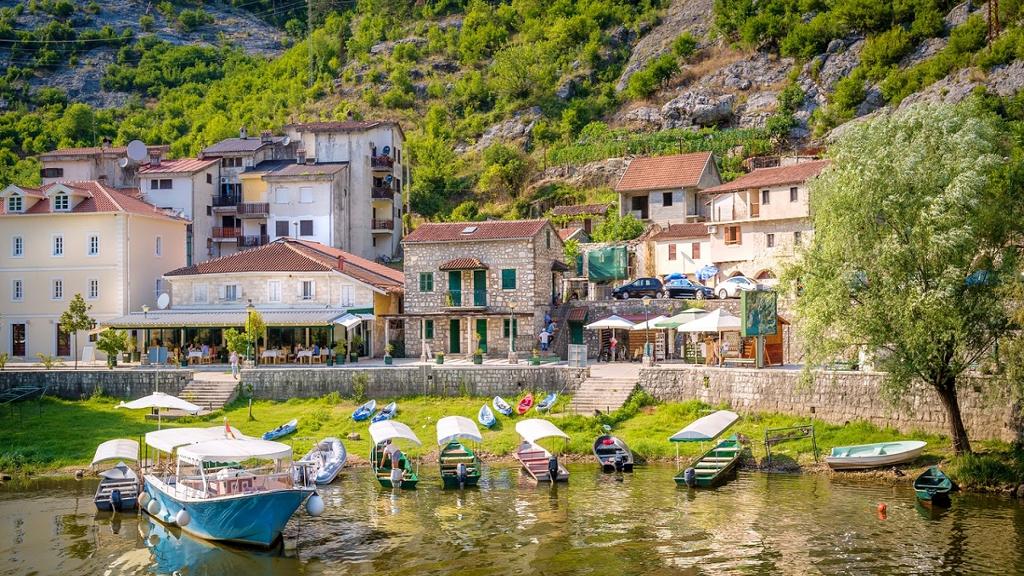
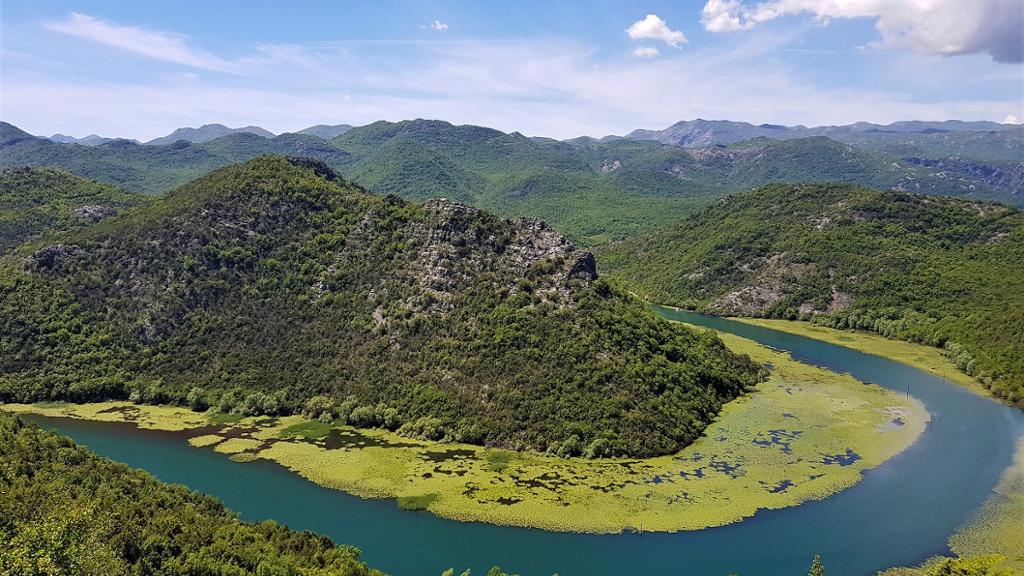
Lake Skadar, shared by Montenegro and Albania, offers wetlands, islands, mountains and open water.
Boat tours on Lake Skadar can include birdwatching, villages and scenic landscapes.
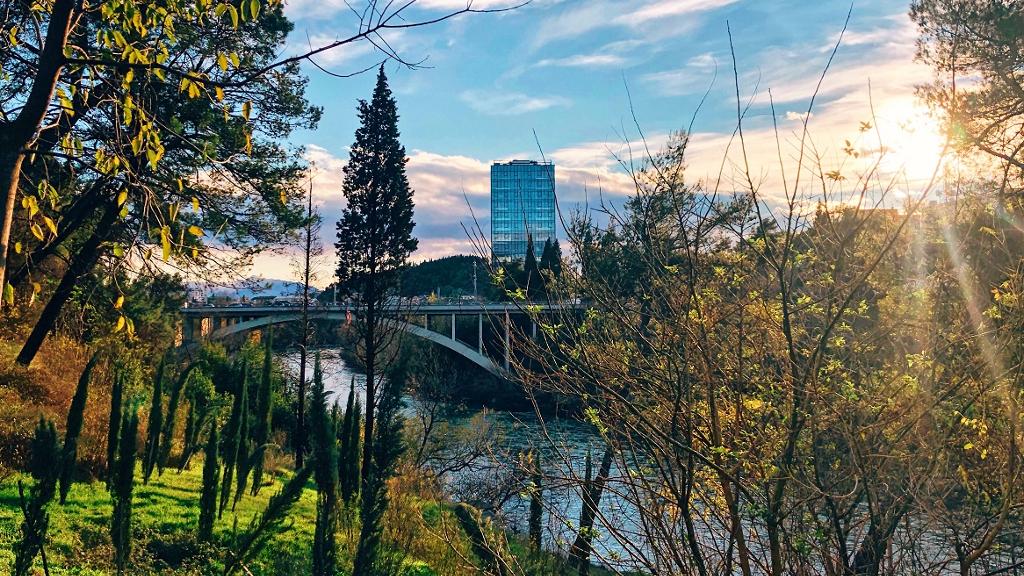
The capital, Podgorica, offers a more contemporary urban perspective. It provides insight into modern Montenegrin life and serves as a useful connection point.
Montenegrin cuisine reflects both Mediterranean and Balkan influences. Fish, seafood, meat, cheese, cured products, vegetables and olive oil are important.
Food tours in Montenegro introduce travelers to local products and traditional restaurants.
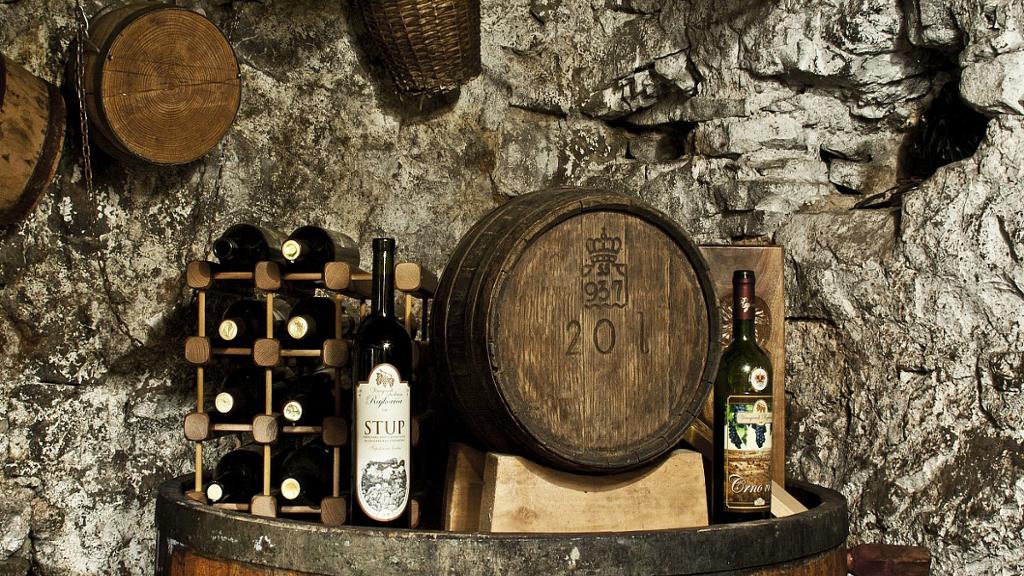
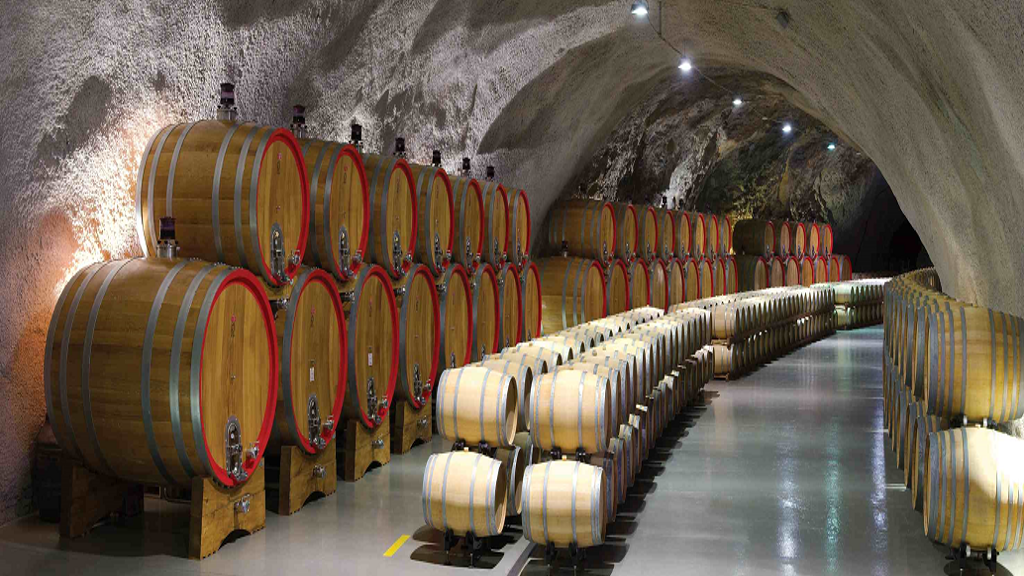
The coastal region also has a growing wine tradition, with wineries and regional varieties available for tasting experiences.
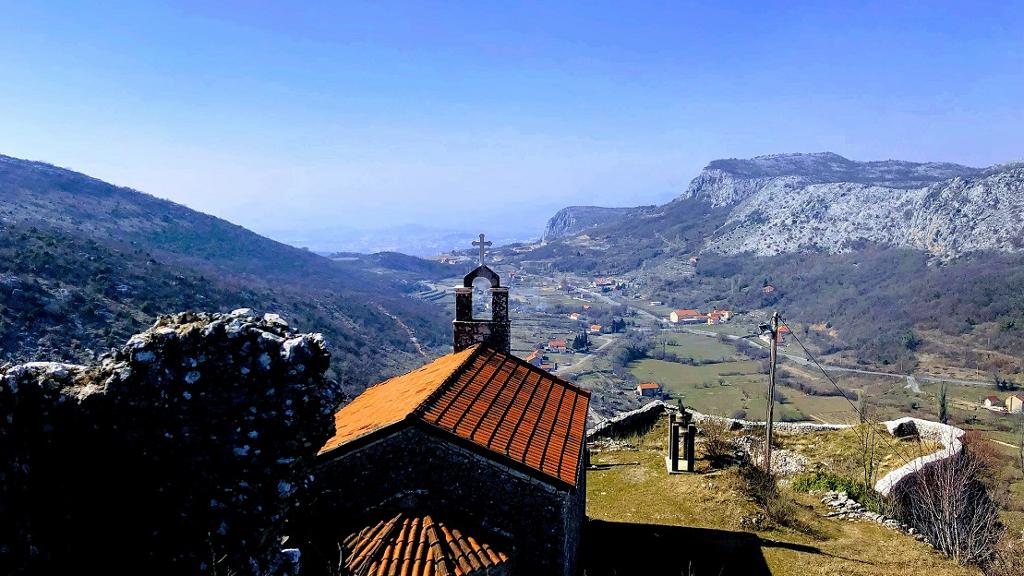
Religious heritage is also significant. Ostrog Monastery, dramatically built into a rocky cliff, is one of the country's most famous religious sites.
Cultural tours in Montenegro can combine Kotor, Cetinje, monasteries and historic settlements.
Cetinje, the former royal capital, contains museums, historic buildings and monuments that explain Montenegro's political and cultural development.
Montenegro is also excellent for adventure activities, including rafting, hiking, mountain biking, kayaking and sailing.
During summer, the Adriatic coast allows travelers to combine cultural sightseeing with beaches and water activities.
In winter, the mountains offer snow-related activities and winter sports.
Reasons to visit Montenegro:
- Bay of Kotor: is a major reason to visit because of its stunning fjord-like combination of mountains, water and historic heritage.
- Kotor: offers an extraordinary fortified historic center and spectacular panoramic views.
- Perast: combines stately historic architecture and iconic boat excursions to offshore islands.
- Budva: brings together ancient heritage, vibrant beaches and a lively Mediterranean resort atmosphere.
- Sveti Stefan: provides one of the country's most recognizable coastal landscapes and islet architecture.
- Durmitor National Park: offers dramatic mountains, glacial lakes and ancient forests.
- Tara Canyon: is ideal for nature and adventure seekers, especially for world-class rafting.
- Lake Skadar: provides serene boating, birdwatching and picturesque rural landscapes.
- Cetinje and Ostrog Monastery: add deep cultural, historic and spiritual resonance to any journey.
- Food and regional wines: complete the experience with authentic Mediterranean and Balkan flavors.
Private tours in Montenegro allow travelers to combine coast and mountains in one itinerary, while group tours provide convenient access to major attractions.
Ultimately, Montenegro is particularly appealing to travelers seeking Mediterranean scenery, heritage, mountains, nature, adventure, gastronomy and historic villages within a compact destination.