Panama is one of Central America's most complete destinations for travelers seeking tropical nature, beaches, islands, historic heritage, urban experiences and extraordinary biodiversity. Its position between the Atlantic and Pacific Oceans and its role as a bridge between North and South America have given the country exceptional geographical and cultural importance.
Tours in Panama can combine the capital with the Panama Canal, rainforests, Caribbean islands, Pacific beaches, Indigenous communities and mountain regions. Private tours in Panama are particularly useful for combining nature, culture and beach experiences, while group tours provide organized circuits.
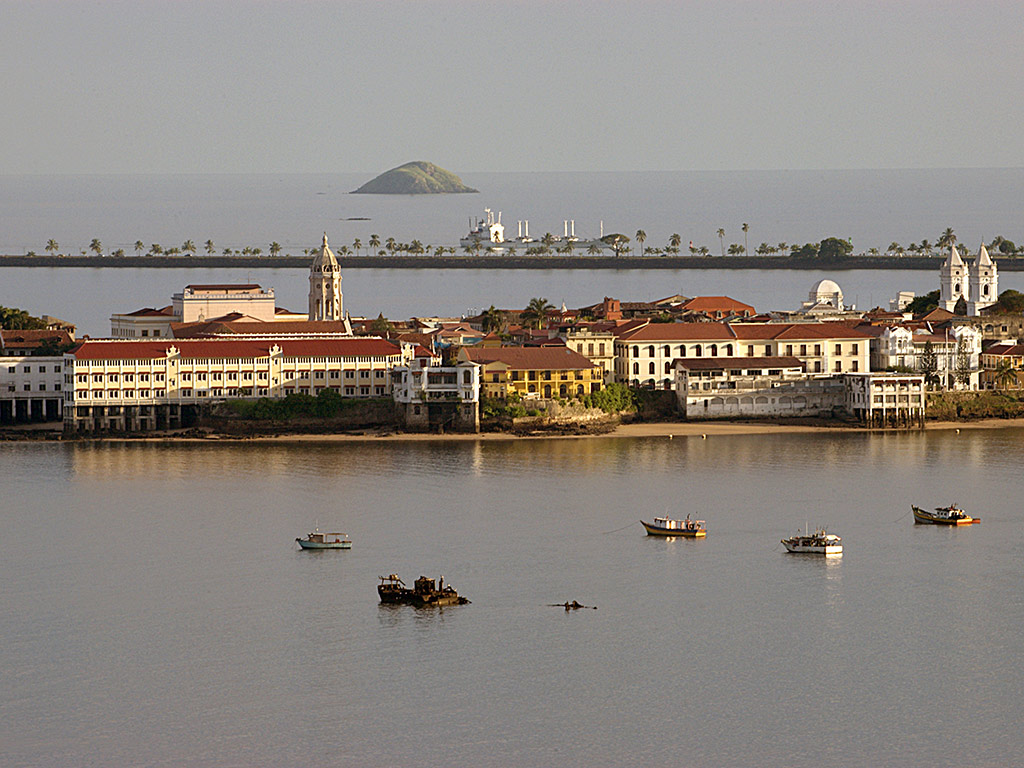
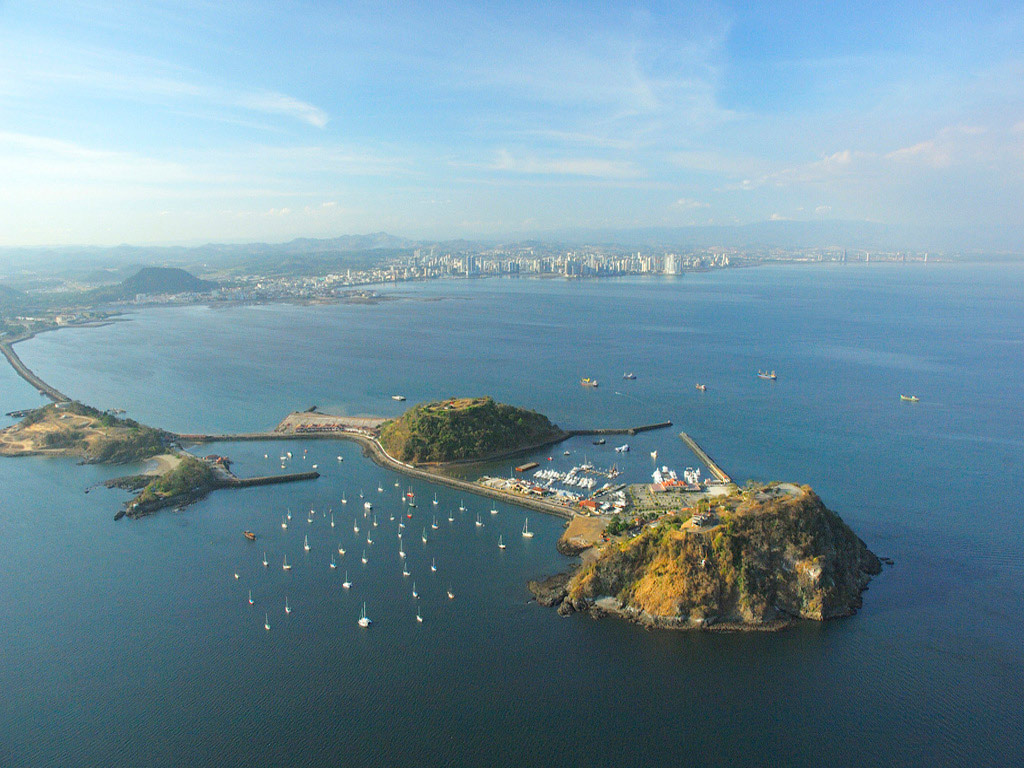
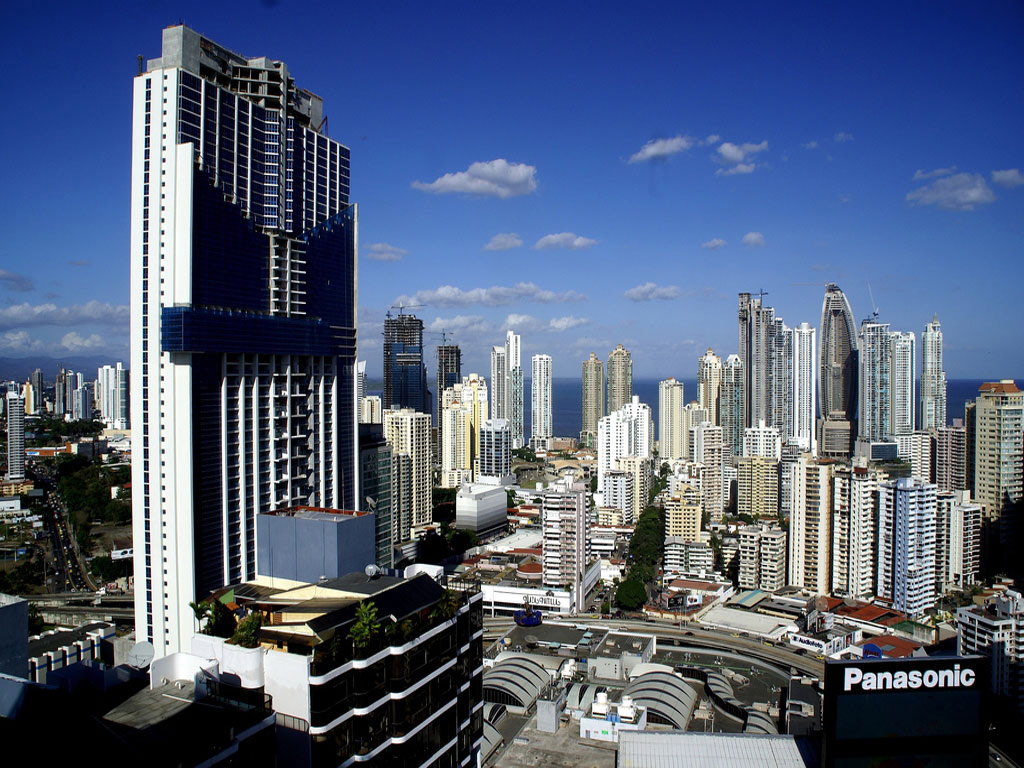
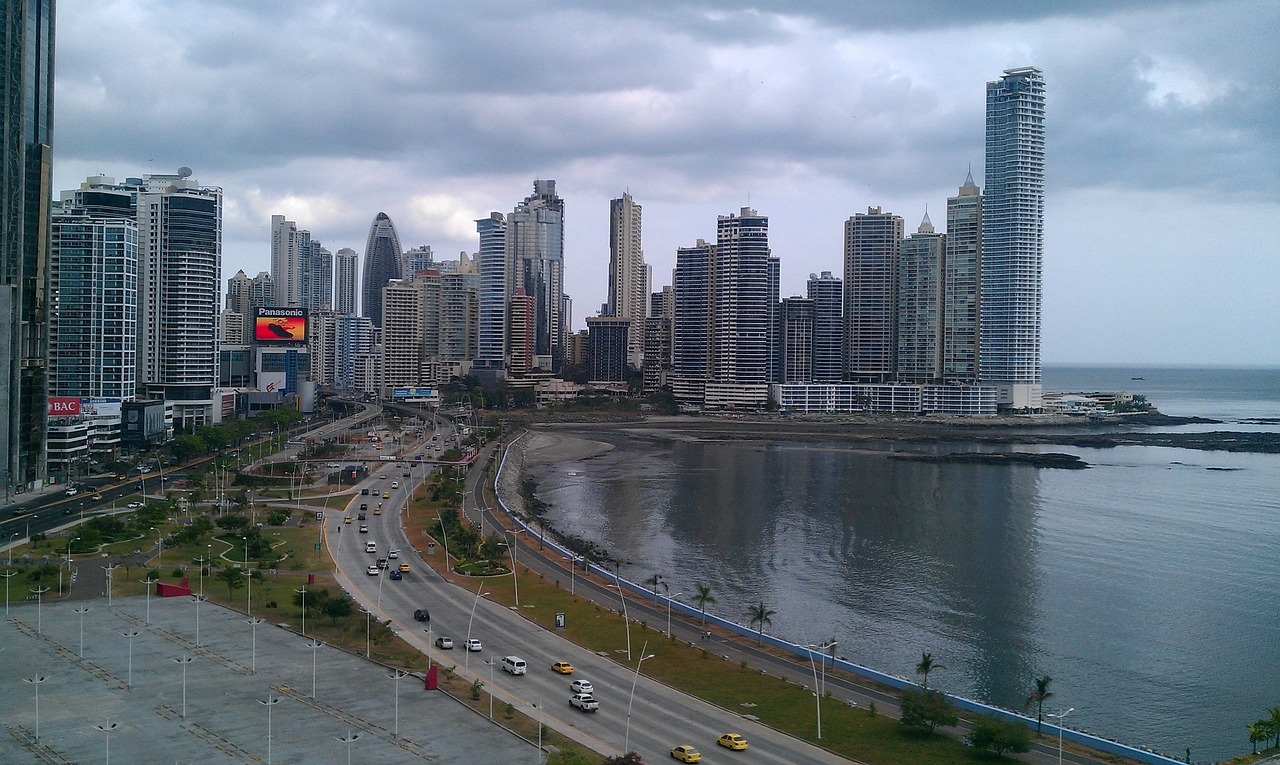
Panama City is the country's main gateway and one of Central America's most dynamic cities. Its modern skyline contrasts with the colonial heritage of the Old Quarter and nearby natural areas.
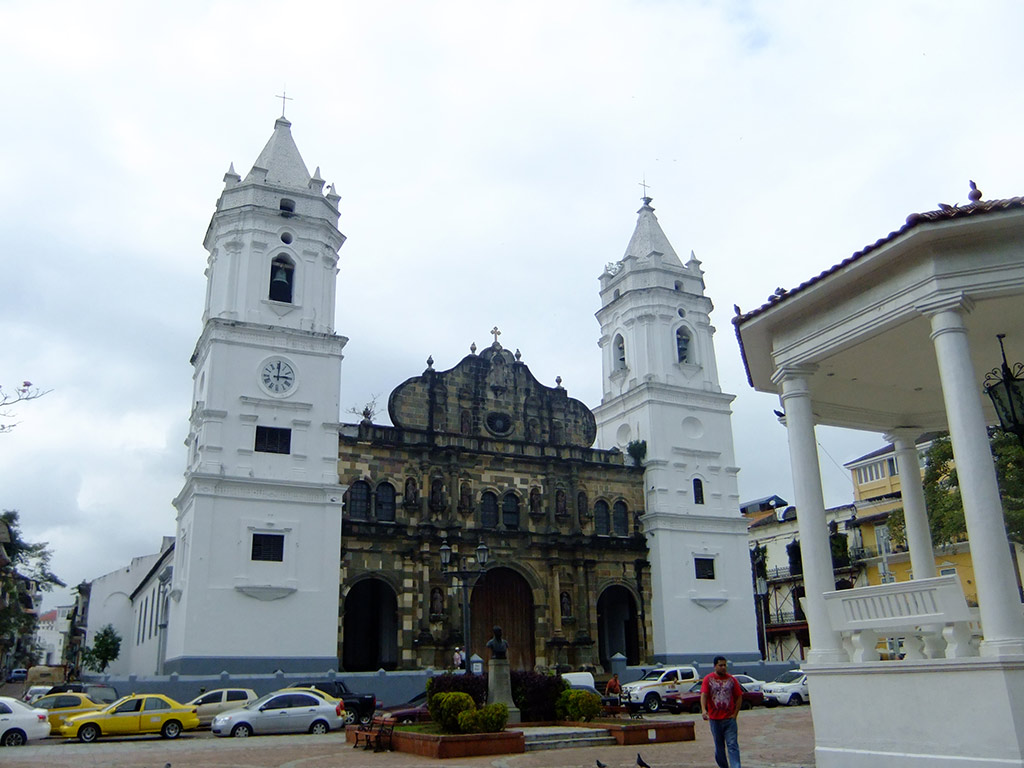
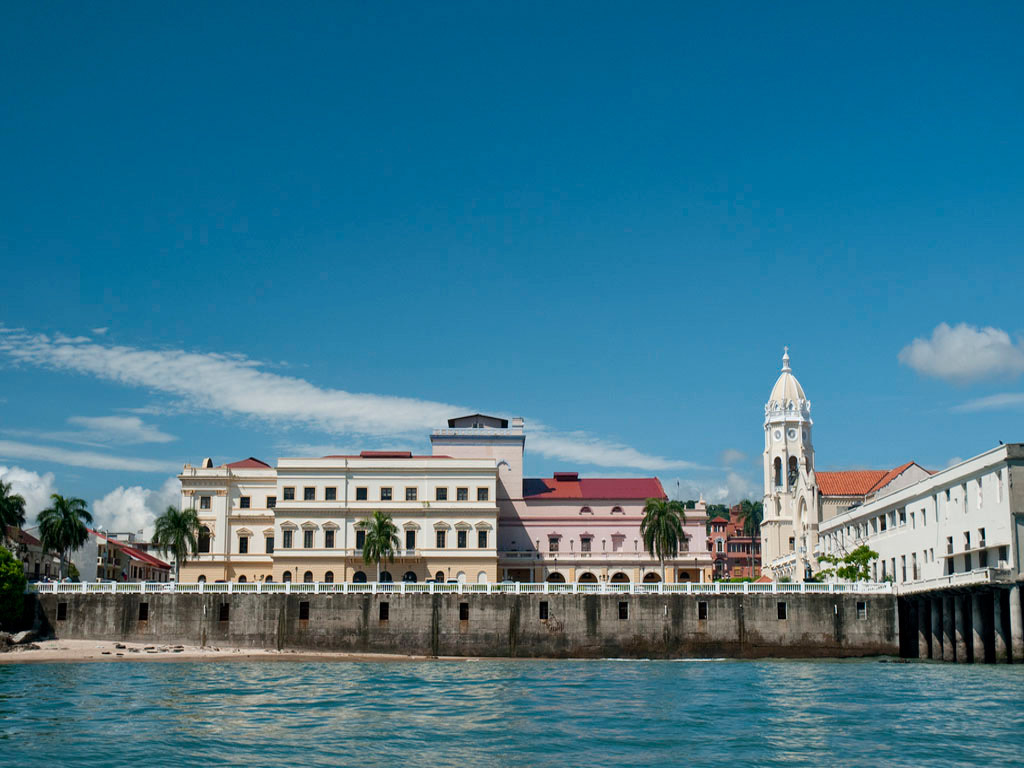
Tours in Panama City can include Casco Antiguo, the waterfront, the financial district, markets and viewpoints.
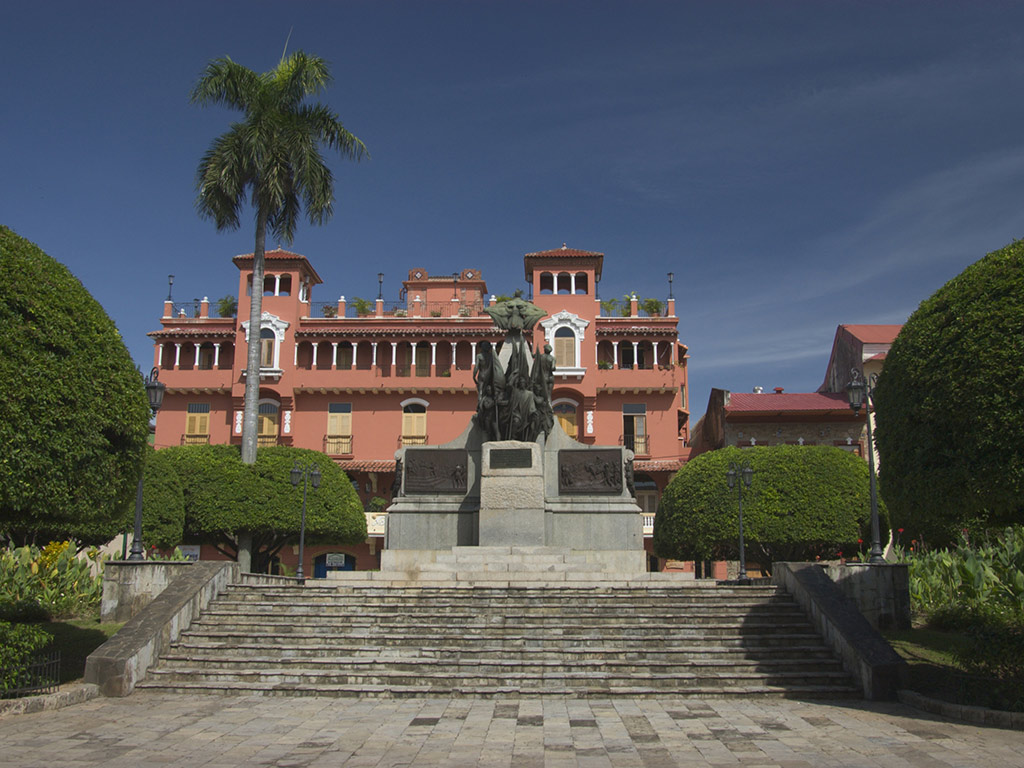
Casco Antiguo is one of the city's major cultural attractions. Its plazas, churches, historic buildings and streets reveal different periods of Panamanian history.
Private tours can combine the historic district with modern neighborhoods and food experiences.
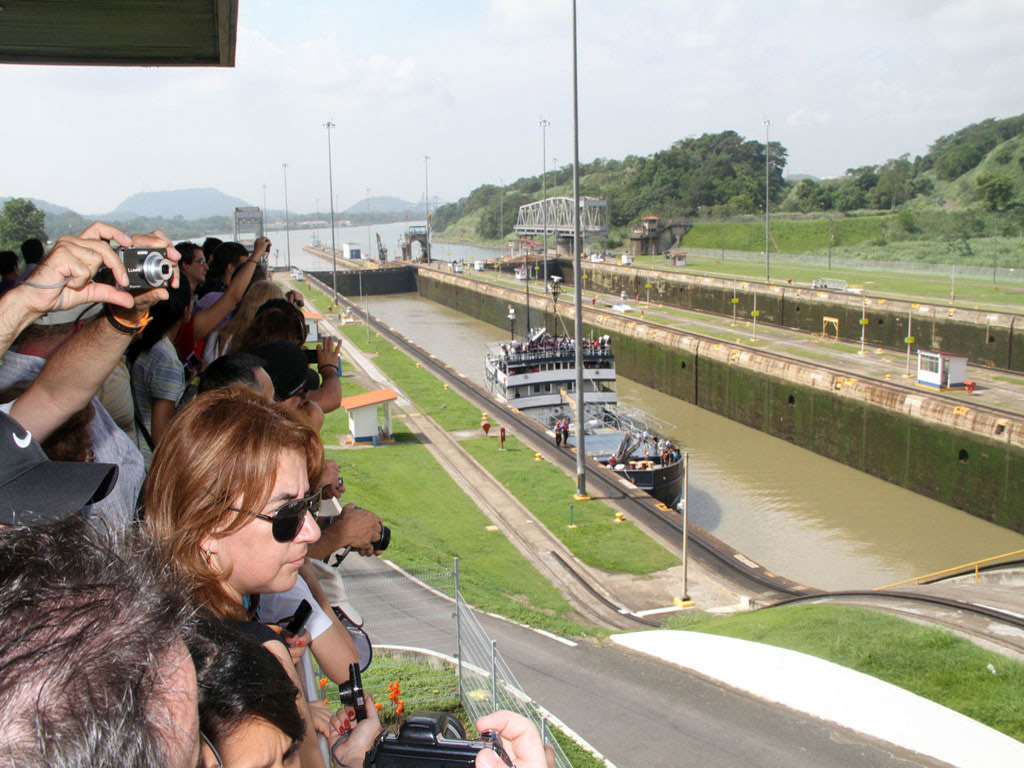
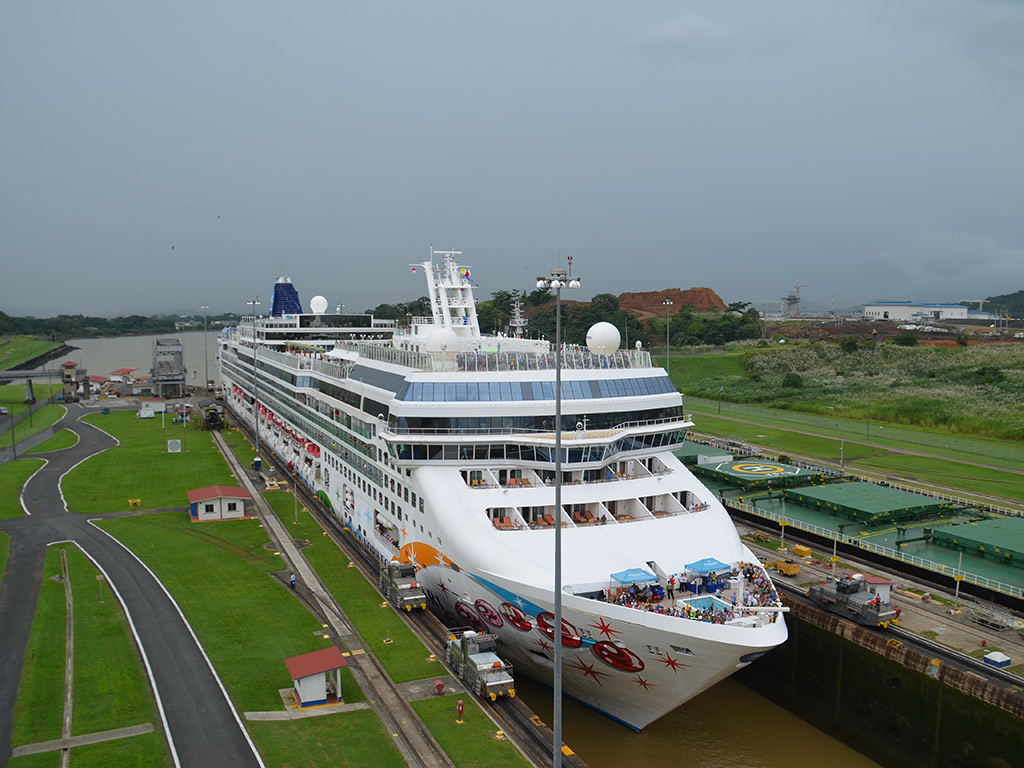
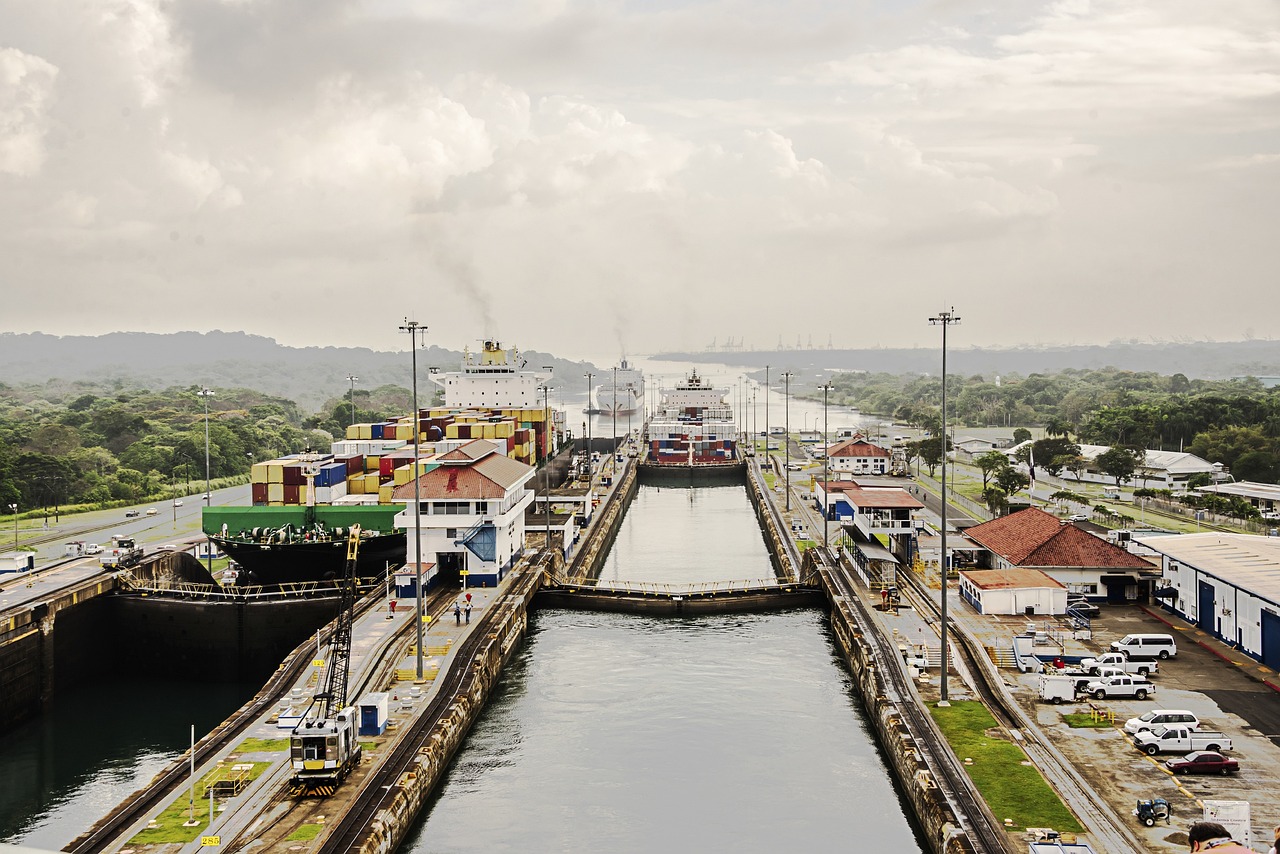
The Panama Canal is the country's defining symbol and one of the world's most important engineering achievements.
Tours of the Panama Canal explain how the waterway operates and why it has played such an important role in global trade.
The Miraflores Locks are one of the most visited locations and allow travelers to observe ships passing through the canal.
Nature is another major reason to visit Panama.
Soberanía National Park, close to the capital, offers exceptional birdwatching and opportunities to experience tropical wildlife without traveling far from the city.
Nature tours in Panama can include hiking, birdwatching and rainforest excursions.
The country's biodiversity makes it particularly attractive to wildlife photographers and nature enthusiasts.
The Bocas del Toro archipelago is one of Panama's great Caribbean destinations.
Its islands offer beaches, mangroves, reefs, tropical waters and small communities.
Tours in Bocas del Toro can include boating, snorkeling, diving, beaches and mangrove excursions.
The San Blas Islands, managed by the Guna community, provide a different experience.
Their small islands, transparent waters and white-sand beaches are among Panama's most recognizable landscapes.
Tours in San Blas can combine nature with respectful cultural experiences related to Guna traditions.
The Pacific coast offers another side of Panama.
The Pearl Islands combine beaches, islands and marine activities and are an attractive option for travelers seeking quieter coastal environments.
Santa Catalina is known for surfing and its proximity to Coiba National Park.
Coiba National Park is one of Panama's major natural areas. Its waters are particularly important for diving and marine wildlife.
Diving tours in Coiba allow visitors to explore reefs, fish and marine ecosystems.
Panama also contains mountain regions with cooler climates.
Boquete, in Chiriquí Province, is one of the country's most popular inland destinations. Mountains, coffee plantations, trails and pleasant temperatures make it ideal for outdoor activities.
Tours in Boquete can include coffee farms, hiking, waterfalls and food experiences.
Panamanian coffee, particularly from Chiriquí, has earned international recognition.
Coffee tours in Panama introduce visitors to plantations, cultivation and preparation methods.
El Valle de Antón is another attractive destination. Located inside an ancient volcanic caldera, it offers mountains, trails, waterfalls and a cooler environment.
Panama is also home to important Indigenous communities. In addition to the Guna, several peoples preserve their own traditions, crafts and ways of life.
Cultural tours in Panama can include community experiences when organized respectfully and responsibly.
Panamanian cuisine reflects Indigenous, African, Spanish, Caribbean and Latin American influences.
Rice, fish, seafood, plantains, corn and meats are central ingredients.
Food tours in Panama introduce visitors to markets, restaurants and regional dishes.
The country's geographical diversity makes it possible to combine very different experiences in one journey. Travelers can move from a modern city to rainforest, from a Caribbean island to the mountains, or from a cultural experience to a diving excursion.
Reasons to visit Panama:
- Panama City: combines modernity, colonial history and a vibrant culinary scene.
- The Panama Canal: offers a unique experience connected to world-class engineering, global trade and history.
- Casco Antiguo: provides colonial architecture, heritage and historic charm at every corner.
- Soberanía National Park: offers extraordinary biodiversity and birdwatching just minutes from the capital.
- Bocas del Toro: combines idyllic Caribbean beaches, islands, mangroves and water activities.
- San Blas: combines pristine tropical islands with authentic Guna cultural traditions.
- The Pearl Islands: provide a quieter and secluded Pacific coastal alternative.
- Coiba: stands out for its magnificent marine biodiversity, reefs and world-class diving.
- Boquete: combines cool mountain air, specialty coffee, hiking trails and lush nature.
- El Valle de Antón: provides volcanic landscapes inside a dormant crater and outdoor adventures.
- Food and Indigenous cultures: complete the experience by highlighting the country's rich multiethnic heritage.
Private tours in Panama allow customized combinations of city, nature, islands and mountains, while group tours provide organized circuits.
Ultimately, Panama is an exceptionally complete destination for travelers seeking canals, history, biodiversity, rainforest, beaches, islands, mountains, gastronomy and culture within one country.