Romania is one of Eastern Europe's most interesting destinations for travelers seeking castles, historic cities, mountains, traditional villages, architecture, gastronomy and nature. The country combines Latin, Balkan, Ottoman, Hungarian, Saxon and Slavic influences, creating an exceptionally diverse cultural identity.
Tours in Romania often combine Bucharest with Transylvania, the Carpathians, medieval towns and rural regions. Private tours in Romania allow travelers to explore lesser-known areas and create itineraries around history, architecture, nature or food.
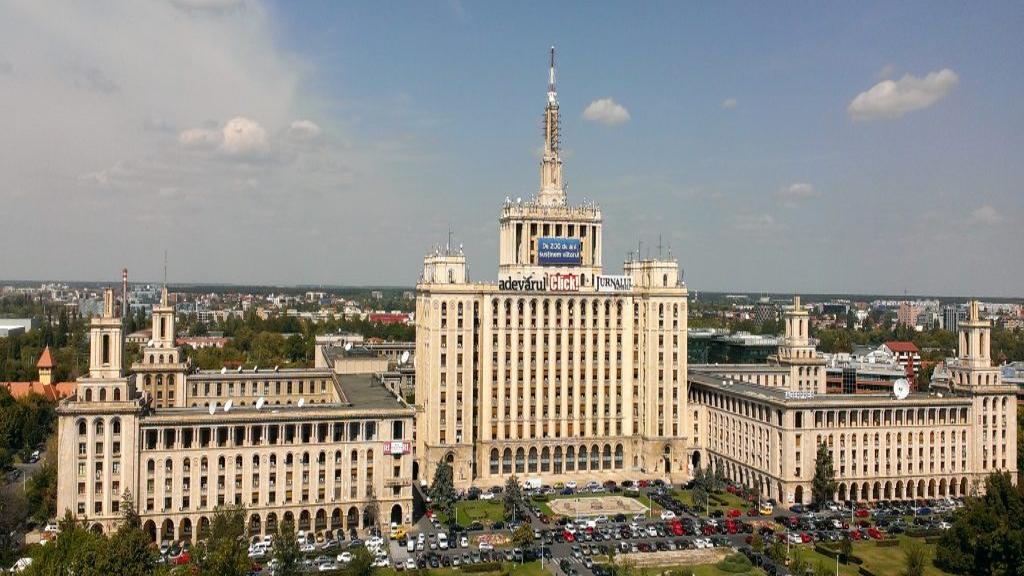
Bucharest, the capital, combines historic architecture with contemporary urban life.
Tours in Bucharest can include the Palace of Parliament, Old Town, Revolution Square, historic churches and monumental avenues.
The Palace of Parliament is one of the world's largest administrative buildings and one of Bucharest's defining architectural landmarks.
The Old Town contains restaurants, cafés and buildings representing different periods of Romanian history.
The country's major tourism region is Transylvania.
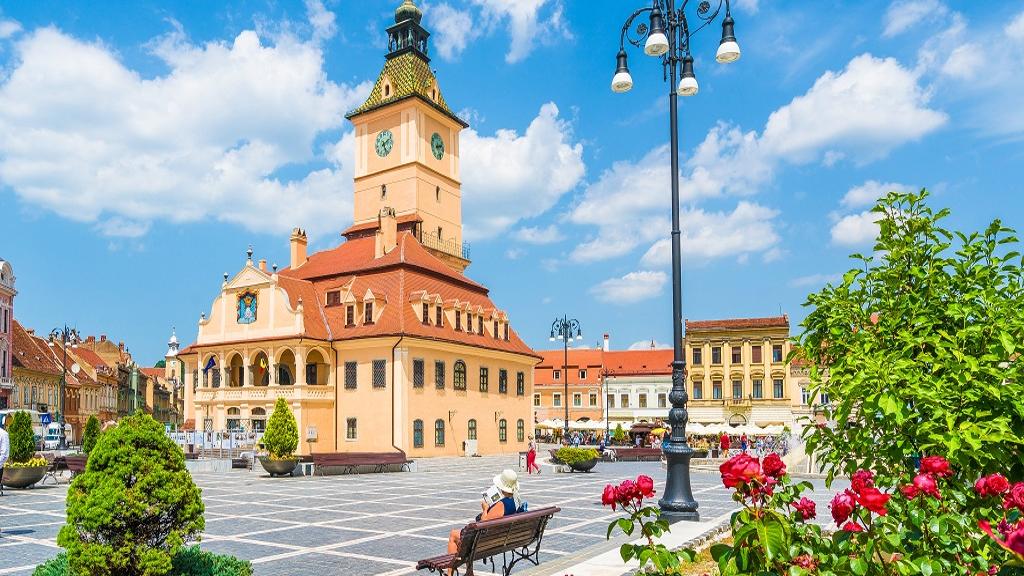
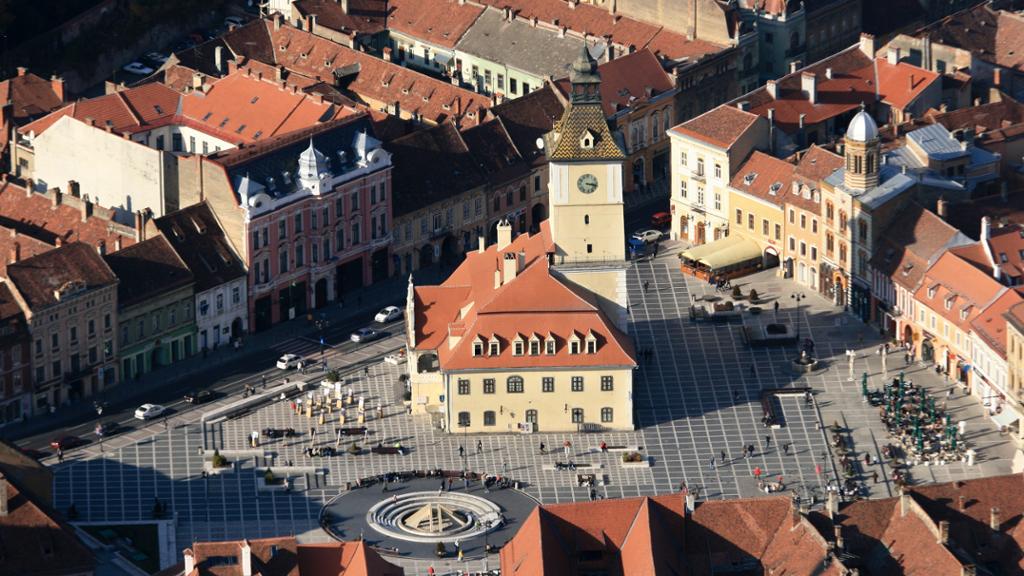
Brașov is one of the region's most attractive cities. Its historic center, Black Church, squares and Carpathian setting make it an excellent base.
Tours in Brașov can combine the city with nearby castles and villages.
Sighișoara is one of Romania's best-preserved medieval towns. Its citadel, towers and historic streets create an exceptional atmosphere.
Tours in Sighișoara introduce visitors to its medieval architecture and regional history.
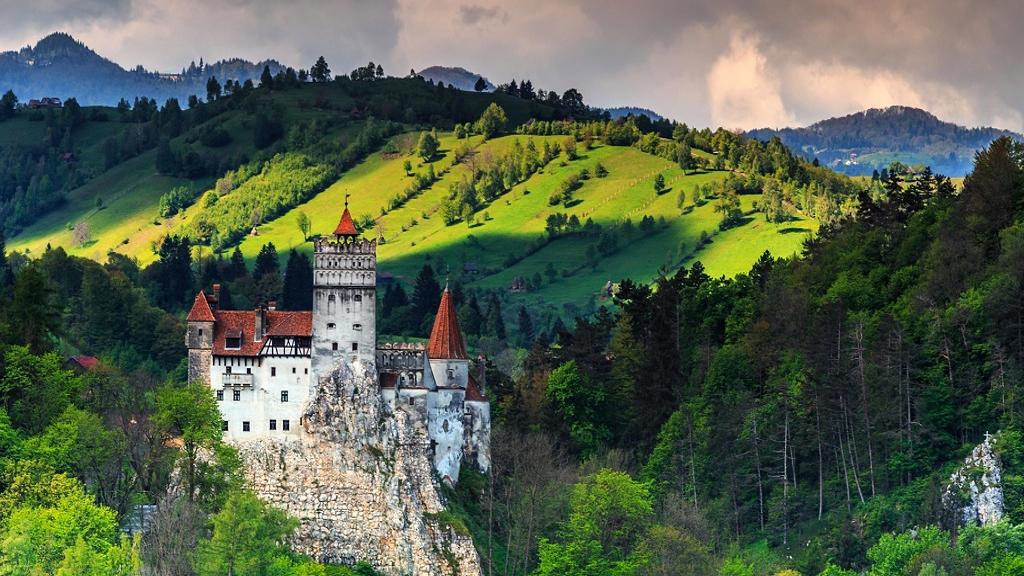
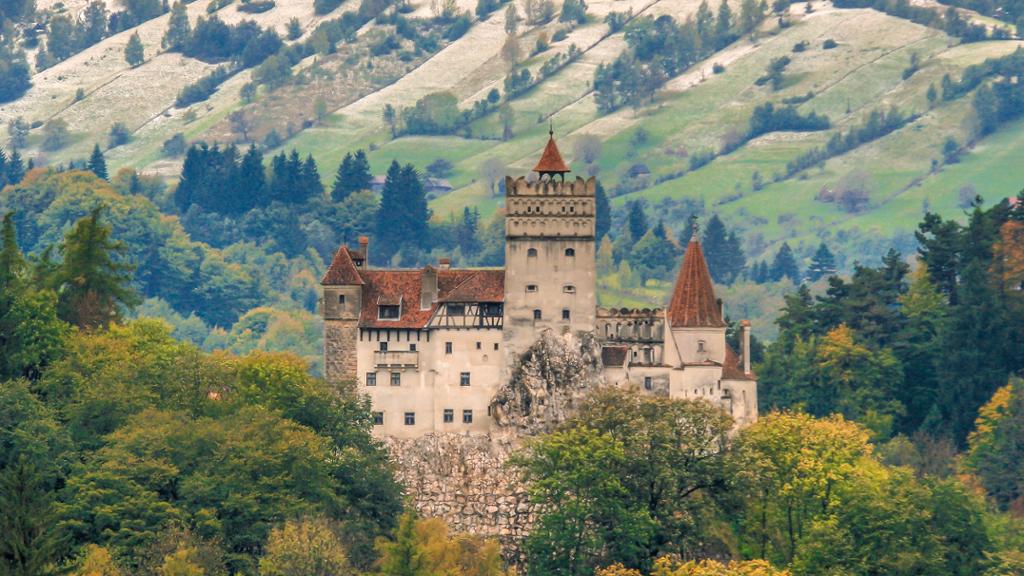
One of Transylvania's most famous landmarks is Bran Castle, internationally associated with the Dracula legend.
Although the connection between the castle and the literary character is largely a later cultural and tourism association, the castle itself has important historic and architectural value.
Tours in Transylvania often combine Bran with Brașov and other castles.
Peleș Castle, near Sinaia, provides a different experience. Its architecture, interiors and mountain setting make it one of Romania's most impressive royal residences.
Sinaia is also a traditional mountain resort.
The Carpathian Mountains are one of Romania's major natural attractions.
The region offers hiking, forests, lakes, wildlife and traditional villages.
Nature tours in Romania explore national parks and mountain trails.
The country also has strong rural traditions.
Regions such as Maramureș are known for wooden churches, traditional houses, agricultural landscapes and local customs.
Cultural tours in Maramureș reveal a very different Romania from Bucharest or tourist-oriented Transylvania.
The Bucovina region is famous for its painted monasteries, some of the country's most extraordinary examples of religious art.
Cultural tours in Bucovina combine monasteries, villages and rural scenery.
The Danube Delta is another major attraction. This enormous wetland ecosystem contains remarkable biodiversity and is particularly attractive for birdwatching and boating.
Tours in the Danube Delta generally take place by boat through channels, lagoons and small communities.
Romanian cuisine reflects Balkan, Central European and Ottoman influences.
Sarmale, mămăligă, soups, meats and pastries are important parts of traditional cuisine.
Food tours in Romania introduce visitors to markets, family restaurants and regional products.
Romanian wine also has a long tradition, with several producing regions.
Sibiu and Cluj-Napoca provide additional urban perspectives.
Sibiu is known for Central European architecture and historic squares, while Cluj-Napoca has a strong university and cultural scene.
Transylvania also contains Saxon villages, fortified churches and agricultural landscapes.
Reasons to visit Romania:
- Bucharest: offers a fascinating blend of history, monumental architecture, and vibrant contemporary urban life.
- Brașov: serves as an excellent medieval base for exploring the castles, towns, and landscapes of Transylvania.
- Sighișoara: provides an exceptional medieval experience within a perfectly preserved citadel.
- Bran Castle: is central to Transylvania's international, legendary image and appeal.
- Peleș Castle: stands out for its majestic palatial architecture and picturesque mountain setting.
- The Carpathians: provide an extraordinary natural haven for hiking, wildlife, and alpine scenery.
- Maramureș: reveals authentic rural traditions, famous wooden churches, and ancestral lifestyles.
- Bucovina: offers extraordinary painted monasteries and a rich religious heritage.
- The Danube Delta: is one of Europe's great natural ecosystems and biodiversity sanctuaries.
- Sibiu and Cluj-Napoca: add dynamic culture, grand squares, and university life to the urban experience.
- Food and wine: featuring traditional flavors and rich wine-producing regions, complete the journey.
Private tours in Romania can connect Bucharest, Transylvania, the Carpathians, Bucovina and the Danube Delta in customized itineraries.
Ultimately, Romania is ideal for travelers seeking castles, legends, medieval cities, mountains, traditional villages, nature, gastronomy and history.