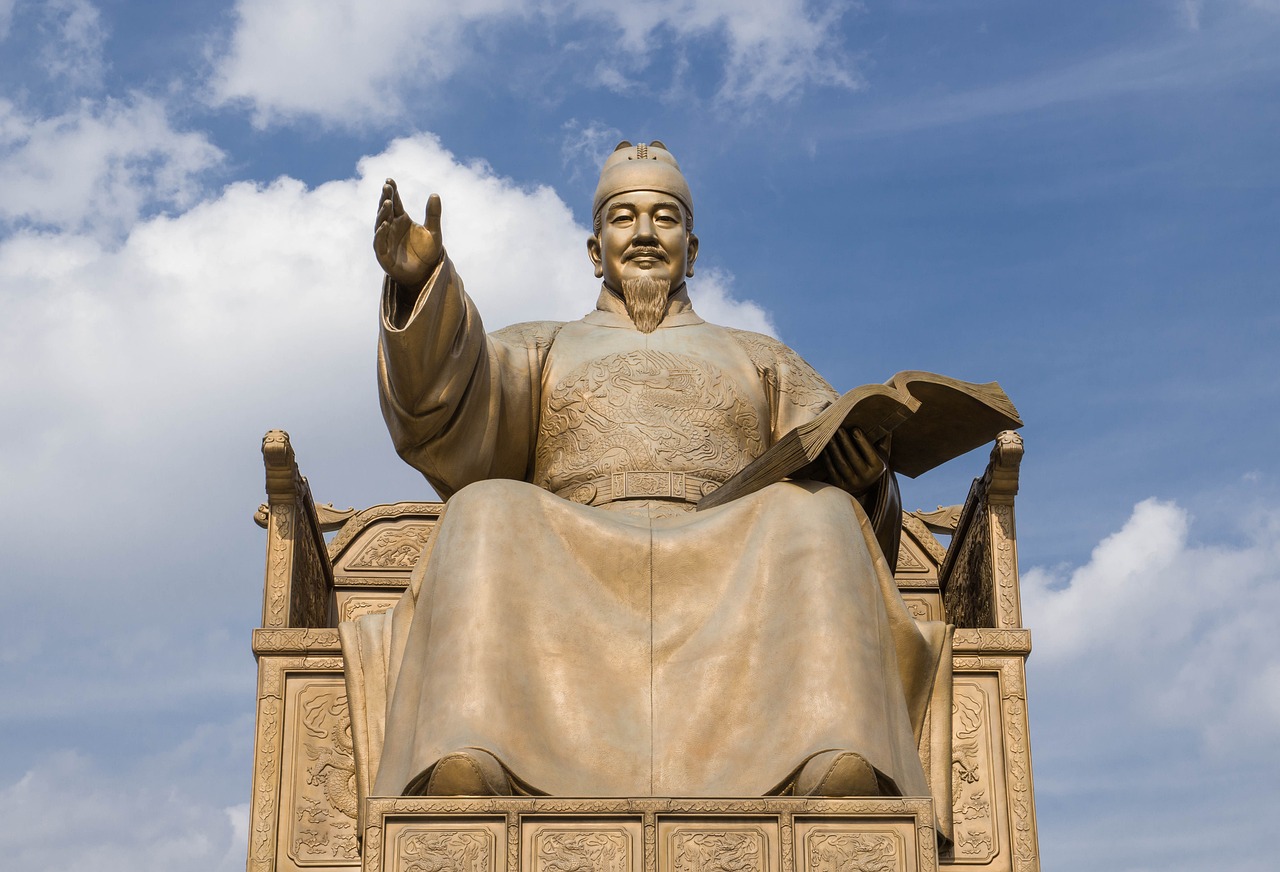
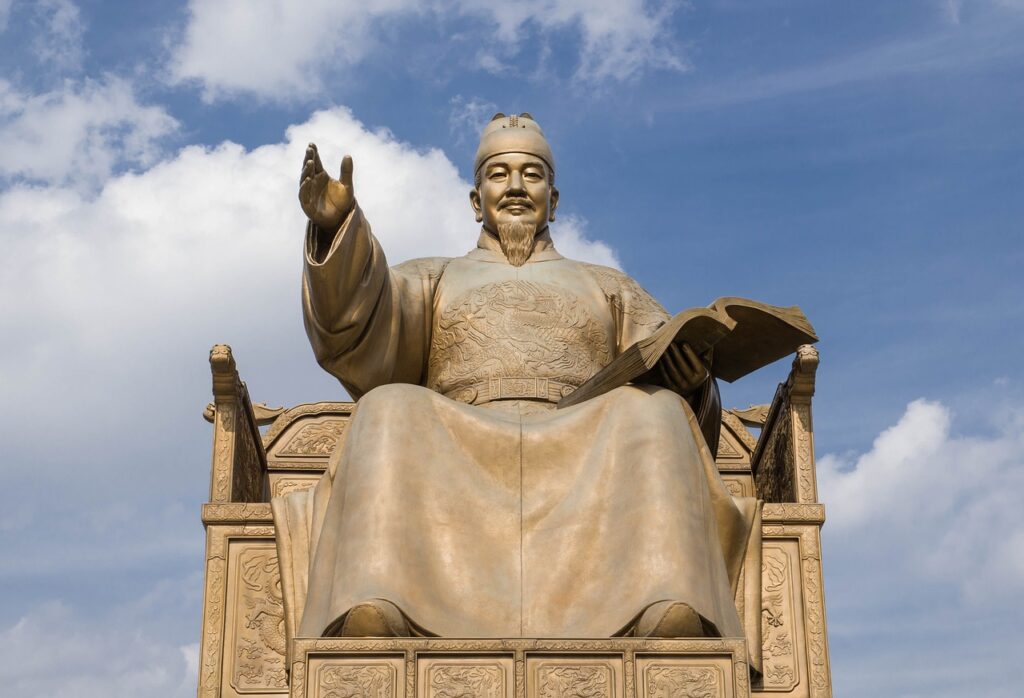
South Korea is one of Asia's most fascinating destinations for travelers seeking a combination of tradition, technology, gastronomy, nature and contemporary culture. The country combines historic palaces, Buddhist temples, mountains, markets, major cities, volcanic islands and one of the world's most dynamic cultural scenes.
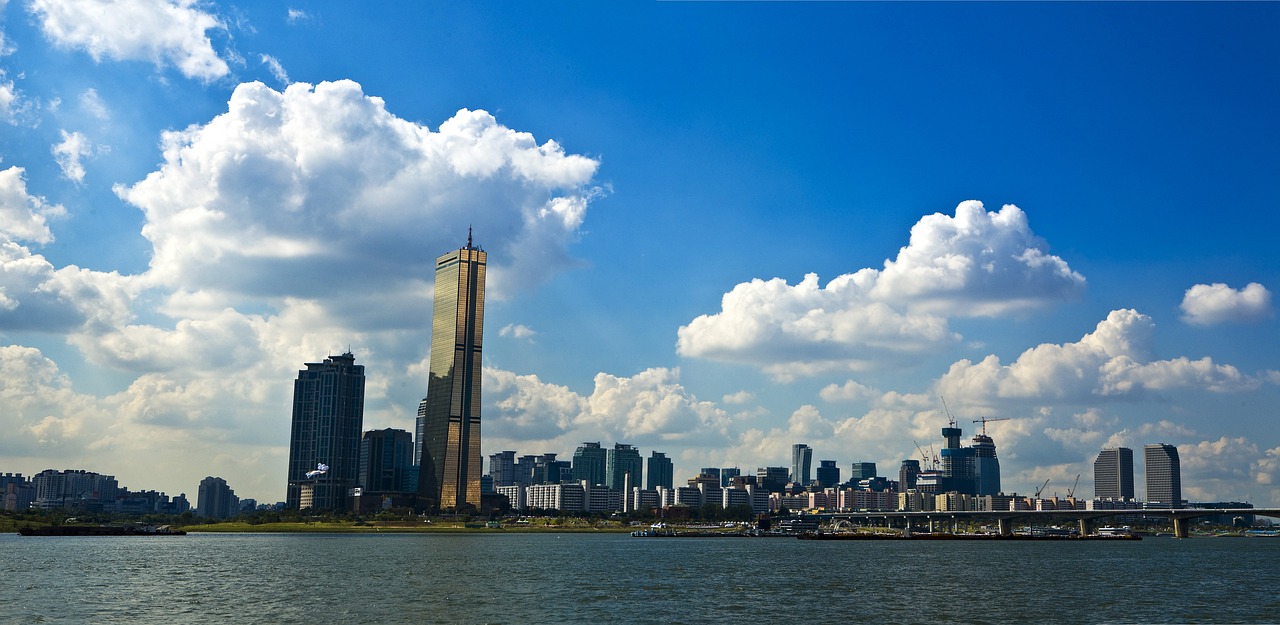
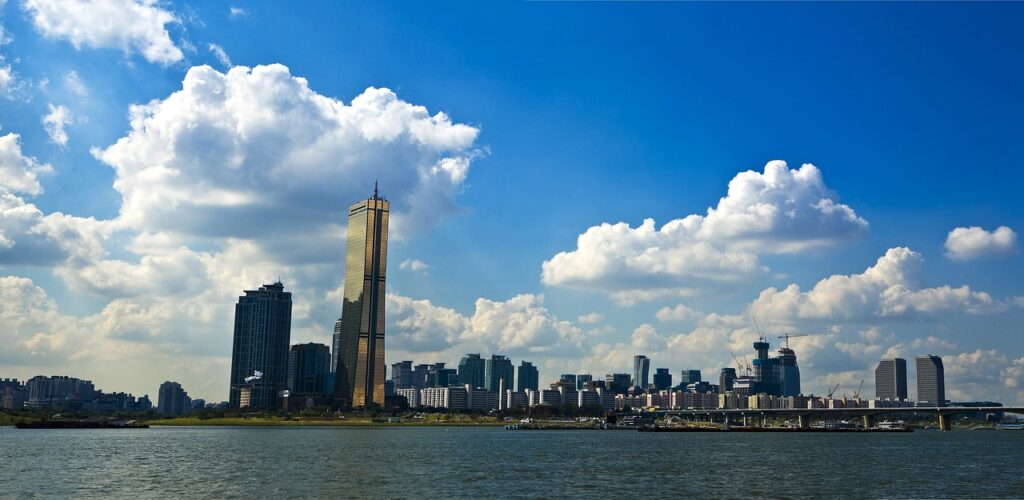
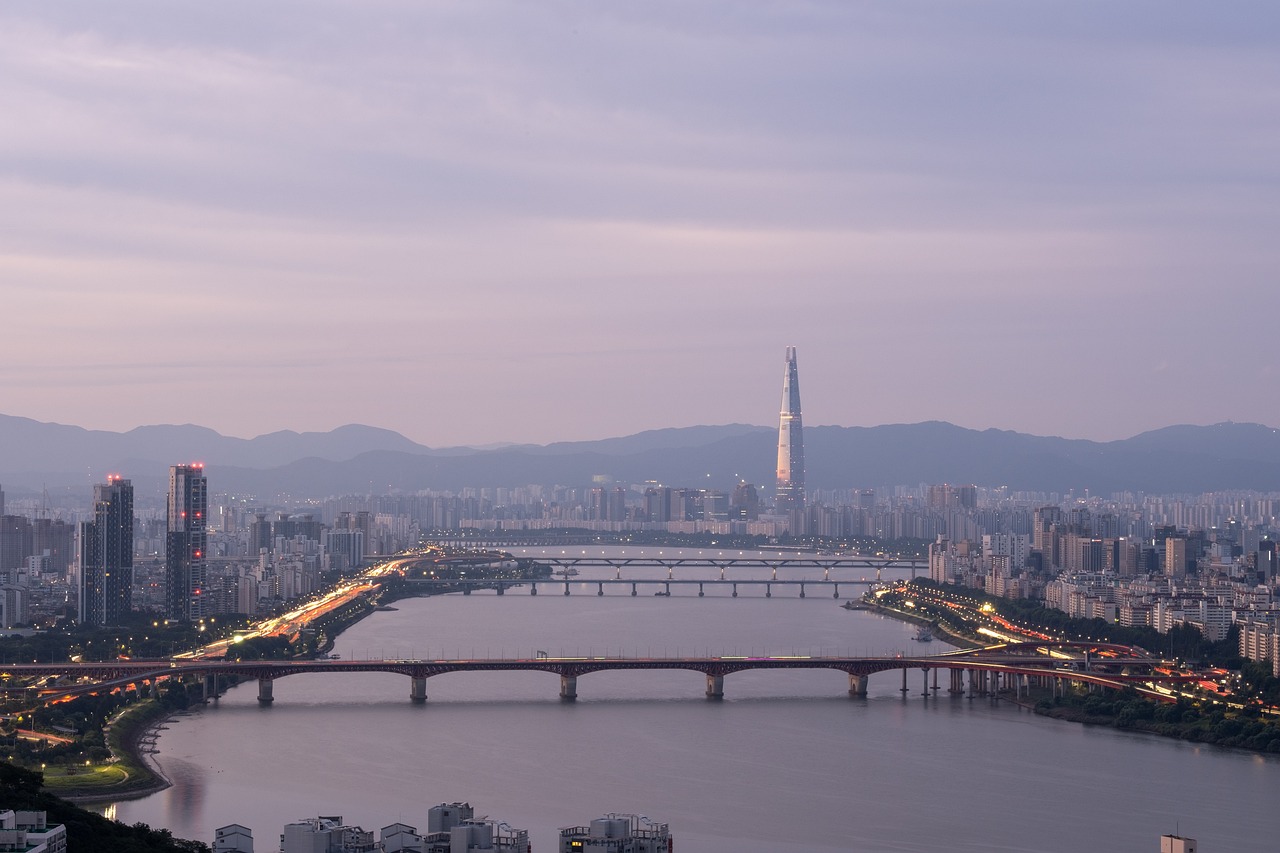
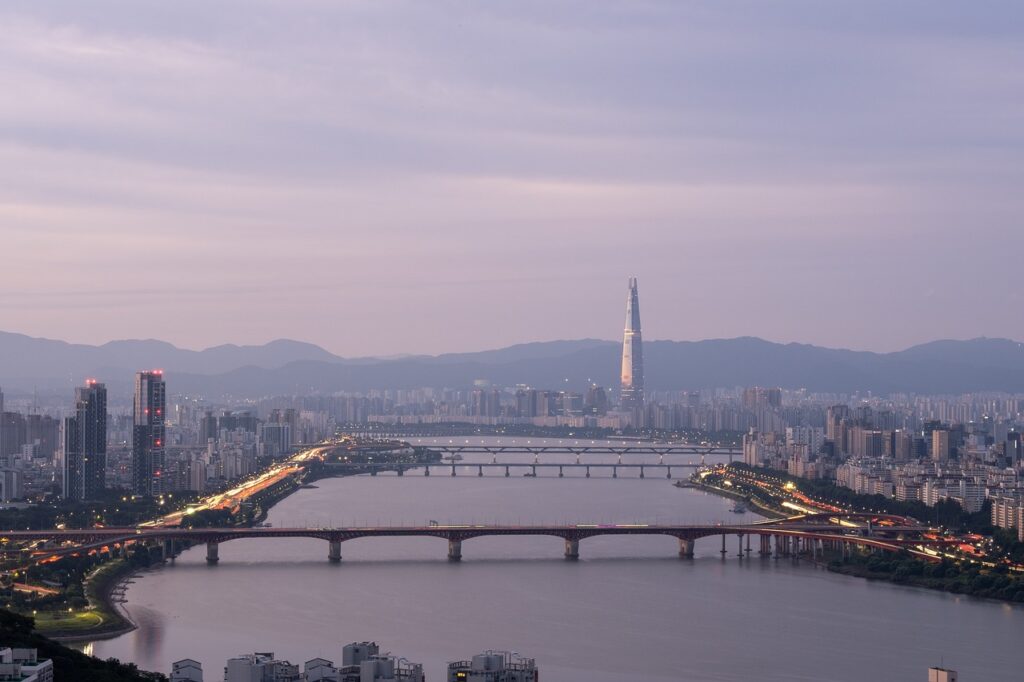
Seoul is the main gateway and offers an extraordinary variety of experiences. The capital combines skyscrapers and advanced technology with palaces, traditional markets and historic neighborhoods.
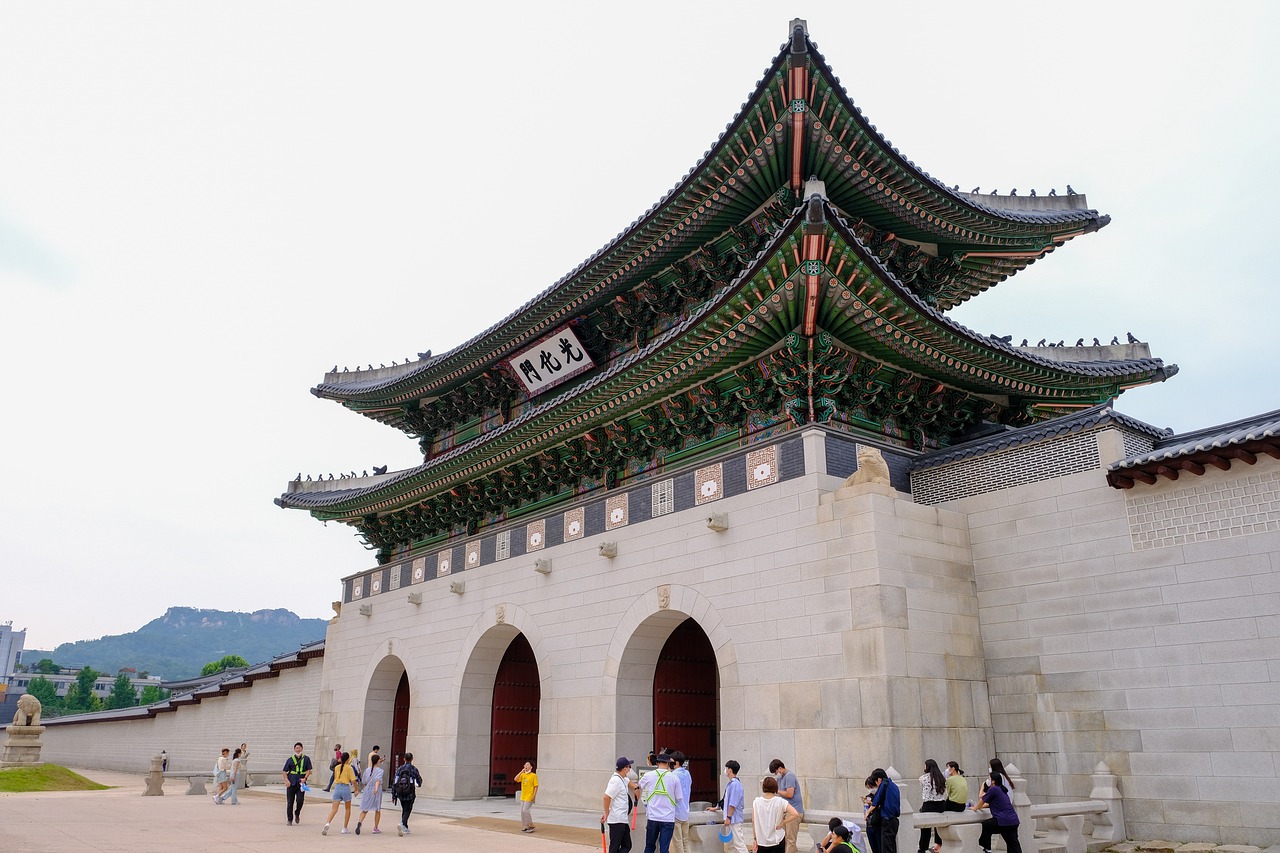
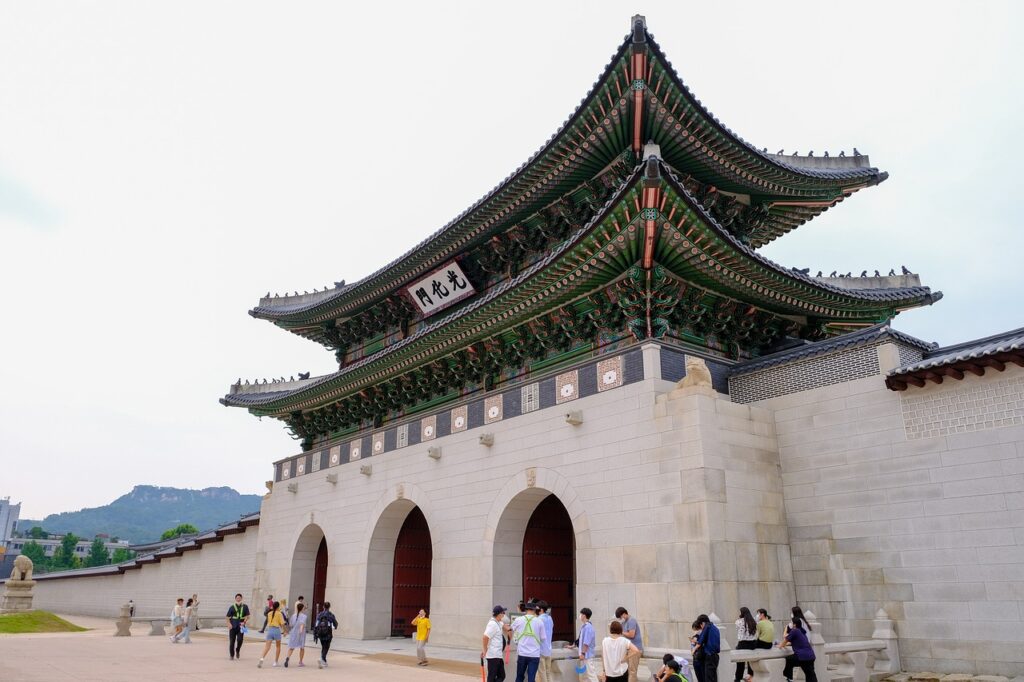
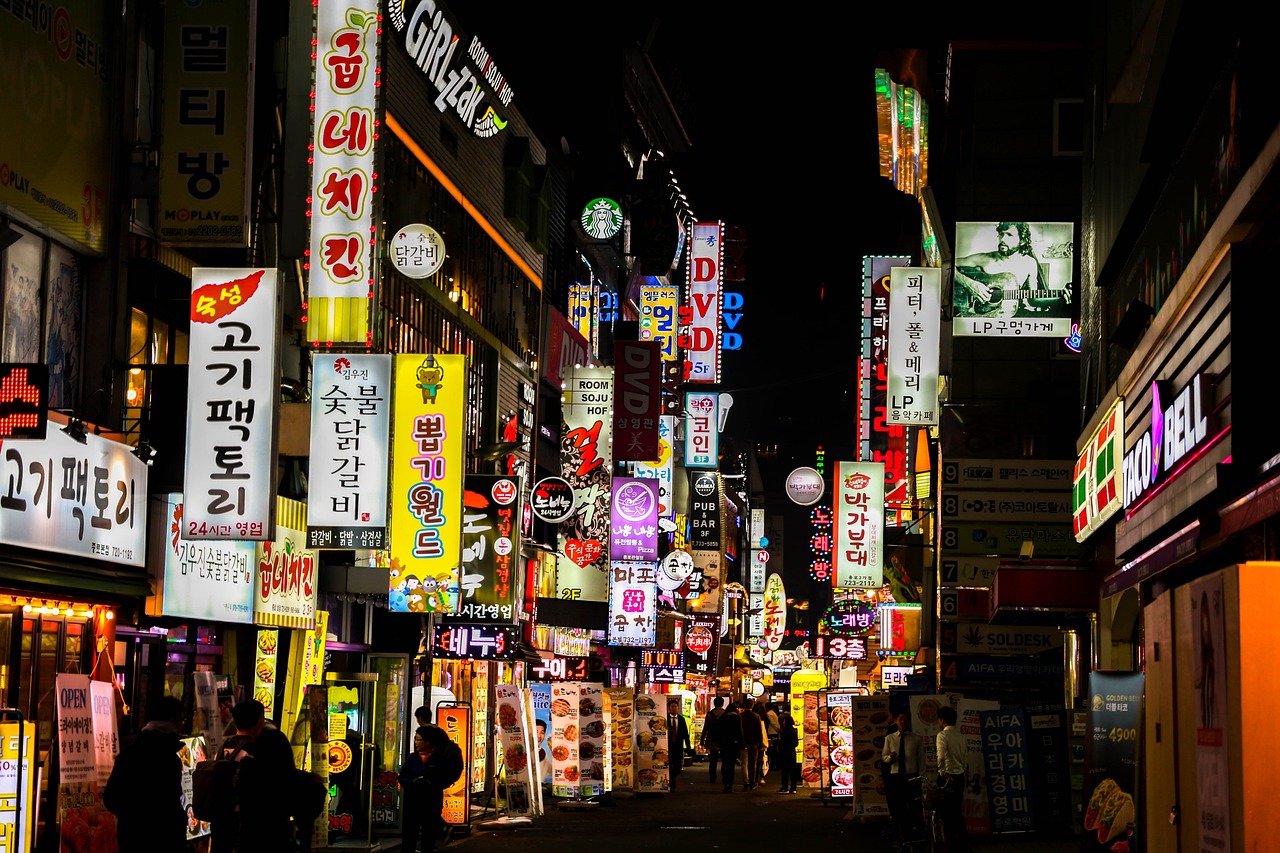
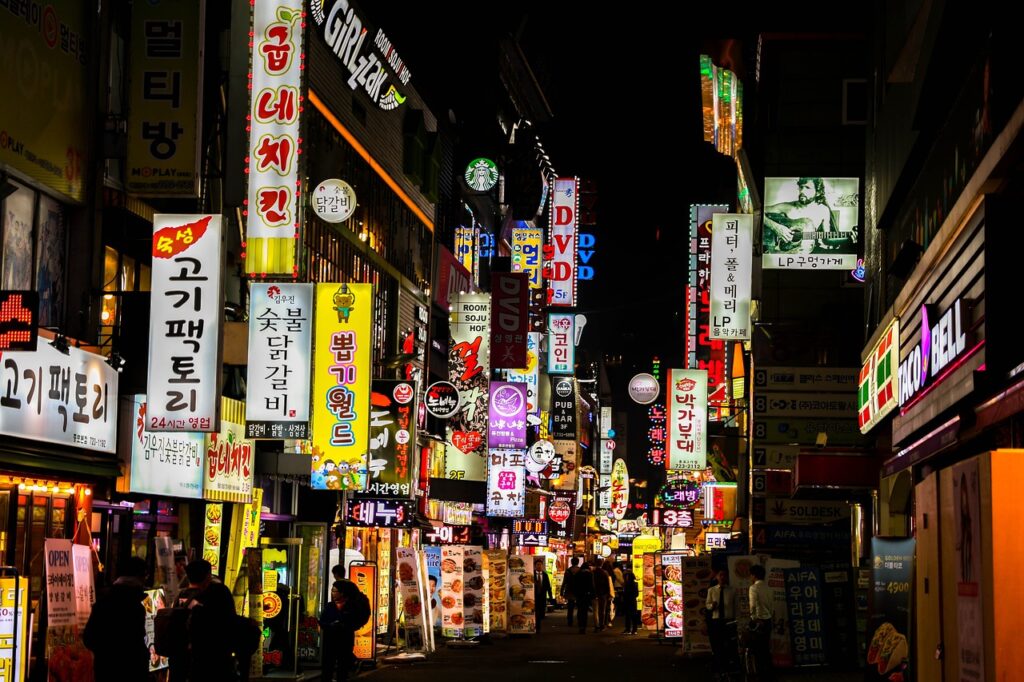
Tours in Seoul can include Gyeongbokgung Palace, Bukchon Hanok Village, Insadong, Myeongdong and traditional markets. Private tours can focus on history, food, K-pop, shopping or contemporary architecture.
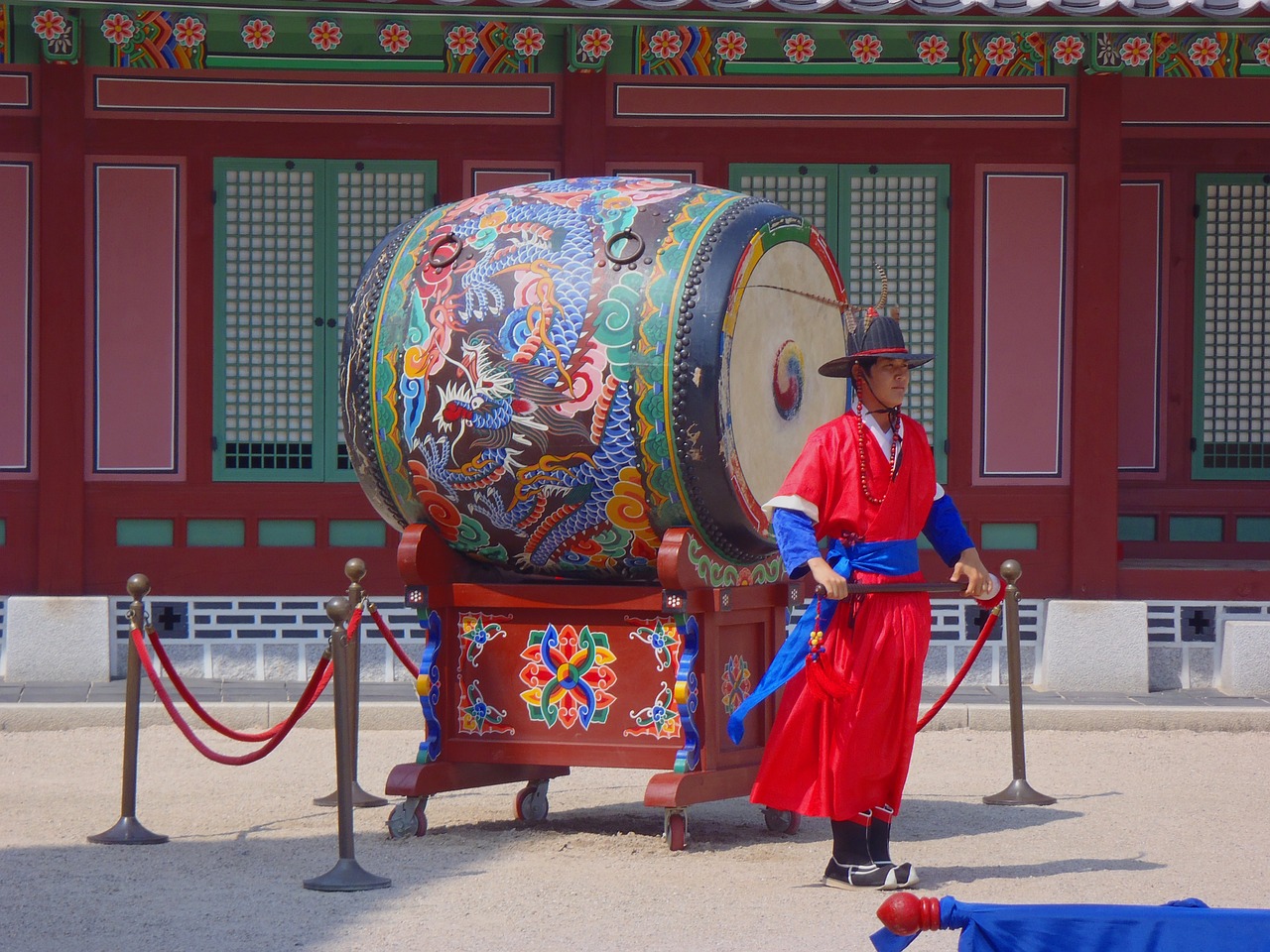
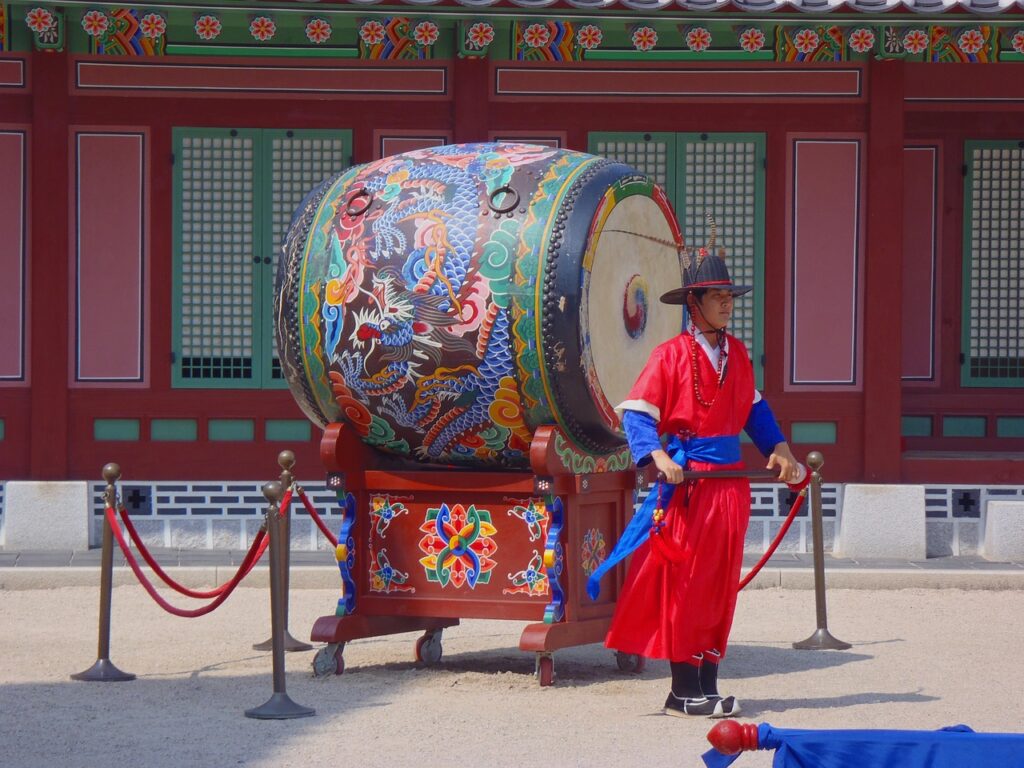
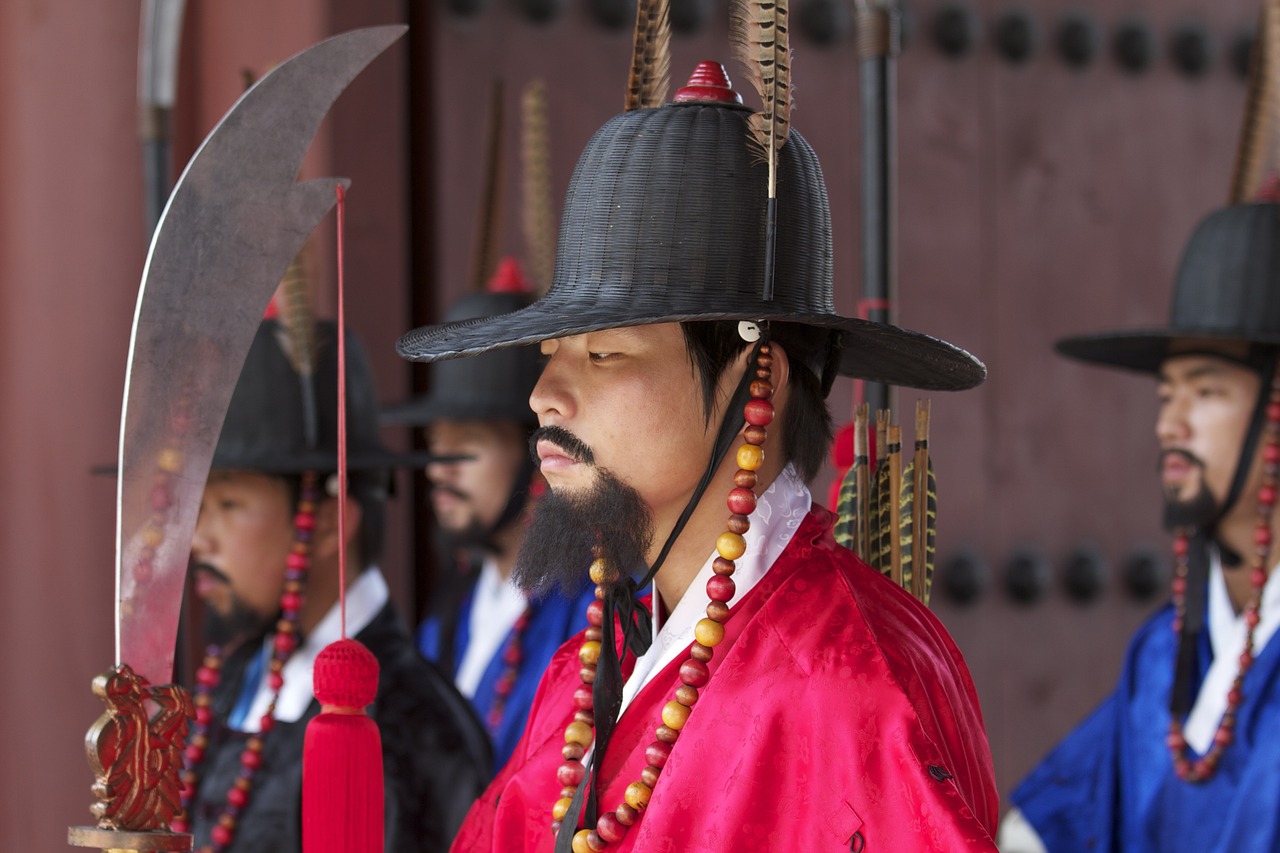
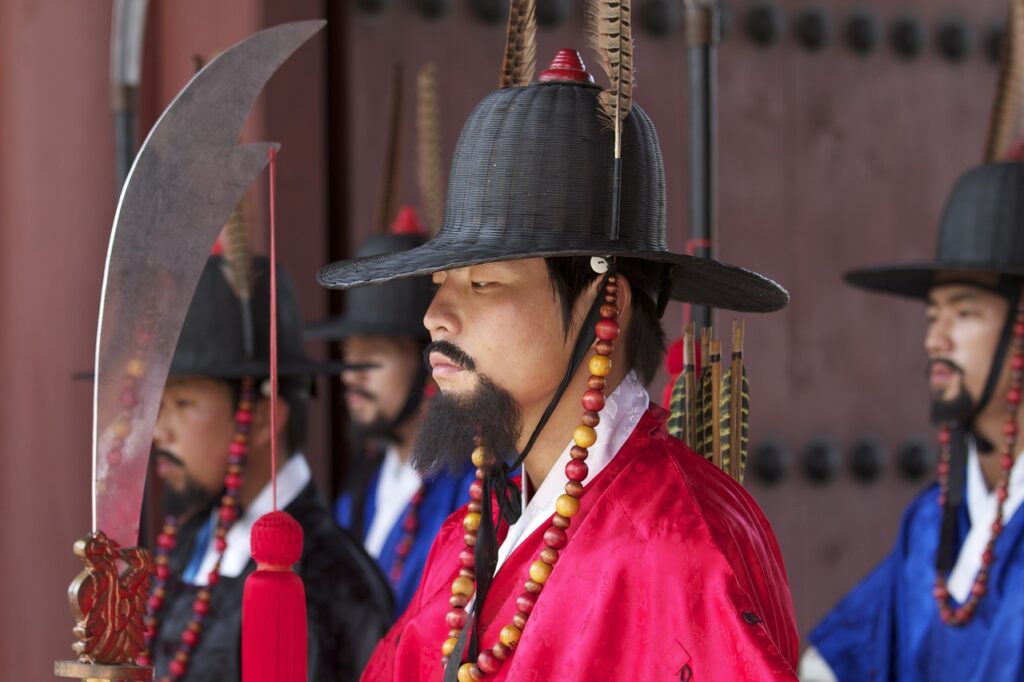
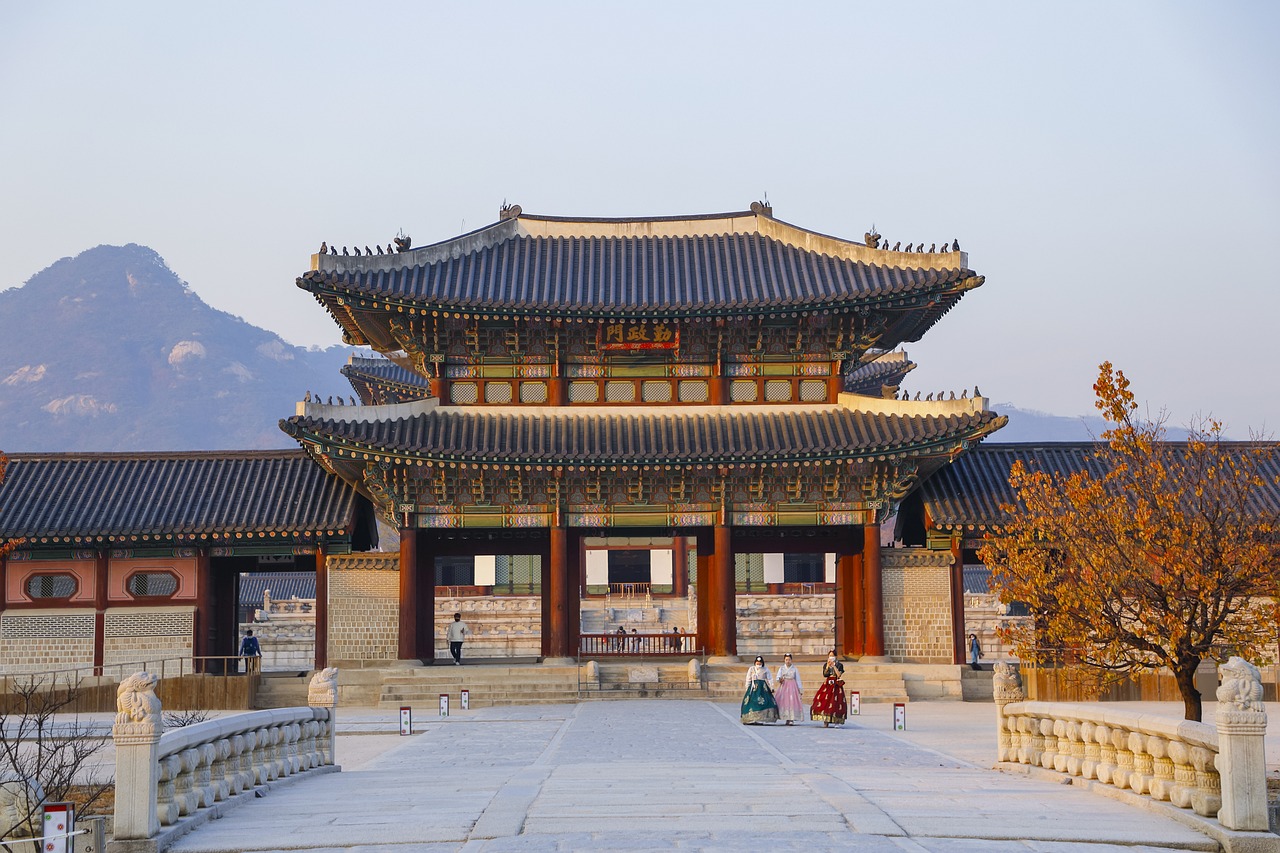
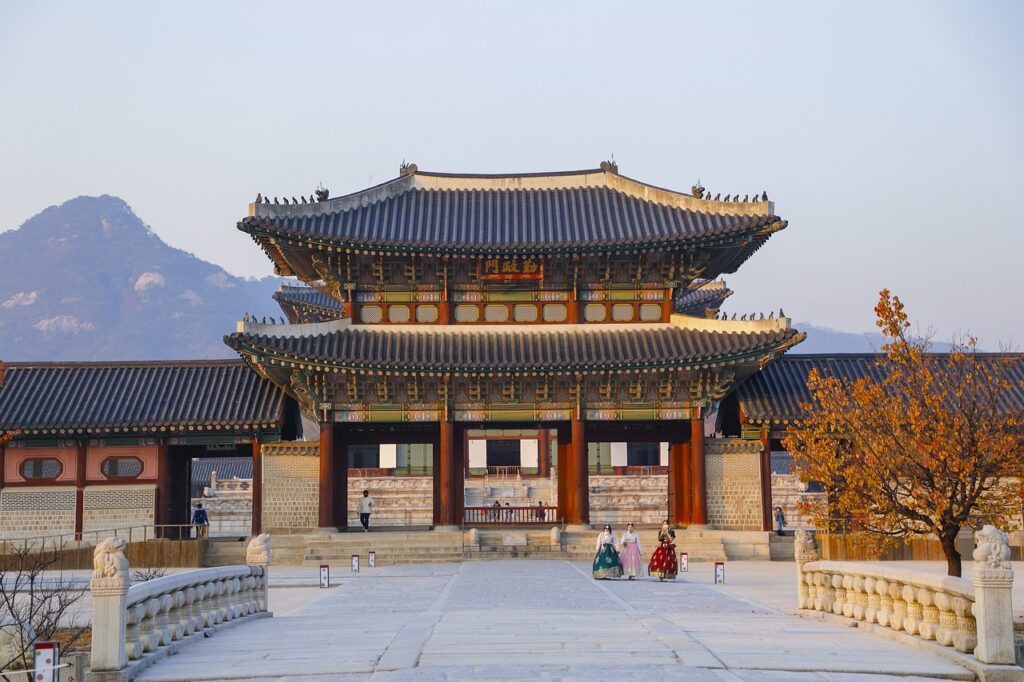
Gyeongbokgung Palace is one of the country's most important historic landmarks. Visitors can explore Joseon-era architecture and learn about Korean history.
Bukchon Hanok Village preserves traditional houses and provides a different perspective on Seoul. Cultural tours introduce travelers to the architecture and traditions associated with the neighborhood.
Seoul is also one of the world's major centers of Korean popular culture. K-pop, television dramas, cinema, fashion and beauty have transformed South Korea into a particularly attractive destination for younger generations.
K-pop and Korean culture tours can explore entertainment districts, specialized shops and locations connected with the music and media industries.
Busan provides a completely different atmosphere. Located on the coast, it combines beaches, seafood markets, temples and colorful neighborhoods.
Tours in Busan can include Haeundae Beach, Gamcheon Culture Village, traditional markets and Haedong Yonggungsa Temple.
Food is one of South Korea's greatest attractions. Kimchi, Korean barbecue, bibimbap, tteokbokki and numerous regional dishes form an exceptionally varied culinary culture.
Food tours in South Korea introduce travelers to night markets, traditional restaurants and hands-on culinary experiences.
Jeju Island is one of the country's most important natural destinations. Its volcanic origins have created craters, dramatic coastlines, waterfalls and unusual rock formations.
Tours in Jeju can include Hallasan Mountain, caves, waterfalls, beaches and coastal villages.
South Korea also contains numerous mountains and national parks. Hiking is extremely popular among both local residents and international visitors.
Buddhist temples provide another cultural dimension. Many are located in mountainous landscapes, allowing travelers to combine nature and spirituality.
Temple and cultural tours can include meditation experiences, guided visits and introductions to Buddhist traditions.
Gyeongju is one of South Korea's most important historical destinations. The former capital of the Silla Kingdom preserves royal tombs, temples, pagodas and archaeological monuments.
Tours in Gyeongju reveal an essential part of Korean history and complement a visit to Seoul.
Incheon, in addition to being home to one of the country's major international airports, offers coastal areas and cultural attractions.
South Korea is also known for its traditional markets. Places such as Gwangjang Market provide opportunities to sample street food and experience everyday Korean life.
Technology is another important part of the country's identity. Seoul combines futuristic architecture, advanced public transportation, enormous shopping districts and innovation hubs.
Travelers interested in design and architecture can combine historic neighborhoods with contemporary buildings.
Reasons to visit South Korea:
- Seoul: offers an extraordinary combination of tradition and modernity.
- Busan: ideal for travelers who want to combine city life, beaches and food.
- Jeju Island: provides volcanic landscapes and outdoor experiences.
- Gyeongju: reveals the country's ancient and archaeological history.
- Korean cuisine: is itself a major reason to visit the country.
- Temples, mountains and national parks: provide cultural, hiking and spiritual experiences.
- Pop culture: K-pop, cinema, television, fashion and beauty have created an additional cultural dimension for international visitors.
Private tours in South Korea can be designed around food, history, entertainment, culture or nature, while group tours provide an organized way to explore the country's major destinations.
Ultimately, South Korea is a fascinating destination for travelers who want to discover how an ancient culture coexists with a highly modern, technological and globally connected society.