Vietnam is one of Southeast Asia's most fascinating destinations and one of the countries offering the greatest variety of experiences within a single journey. Its territory stretches from the mountains of the north to the Mekong Delta in the south, passing through historic cities, rice terraces, national parks, tropical beaches, bays, rivers, markets and traditional villages.
Tours in Vietnam allow travelers to combine culture, history, nature, gastronomy and adventure in highly varied itineraries. The country can be explored from north to south or through more focused regional journeys. Private tours in Vietnam provide considerable flexibility, allowing travelers to adapt transportation, pace and experiences, while group tours provide organized circuits through the country's major destinations.
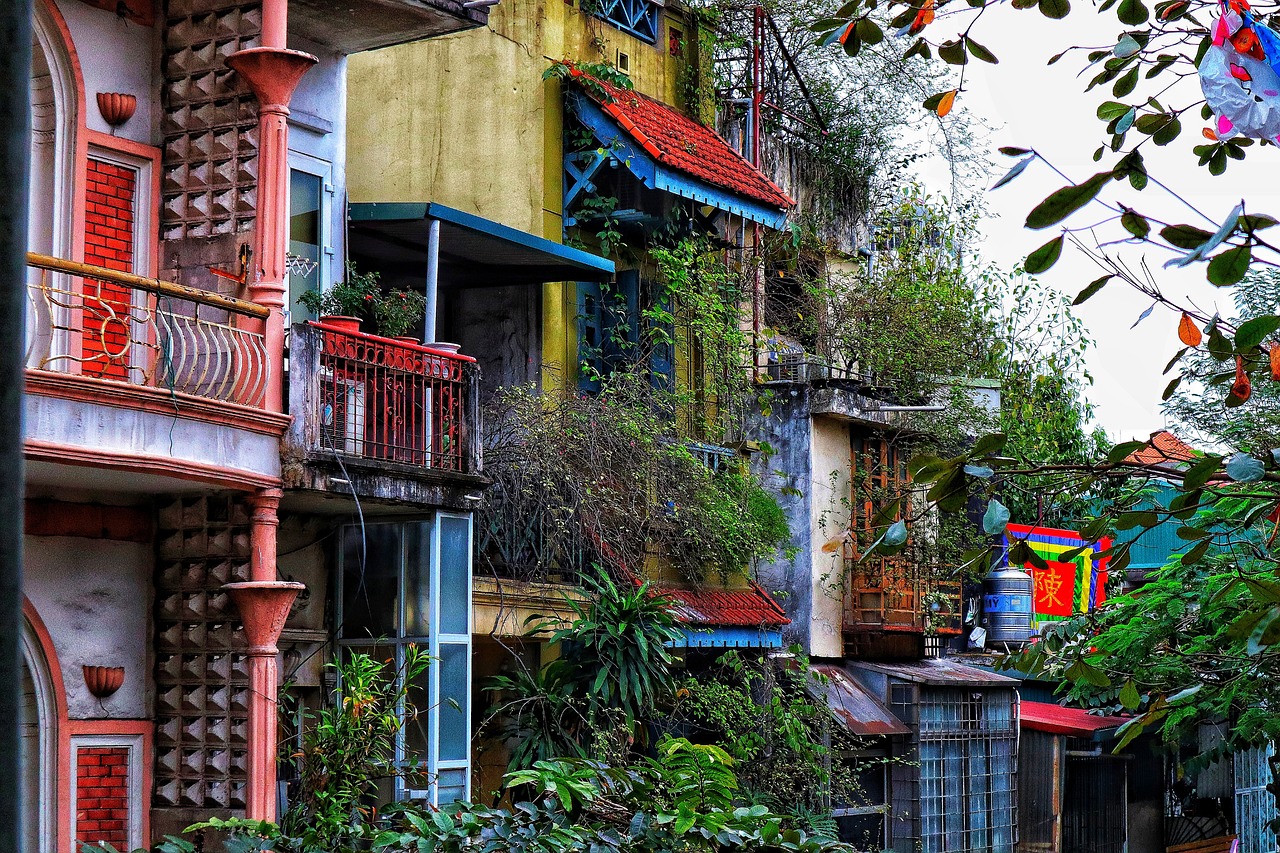
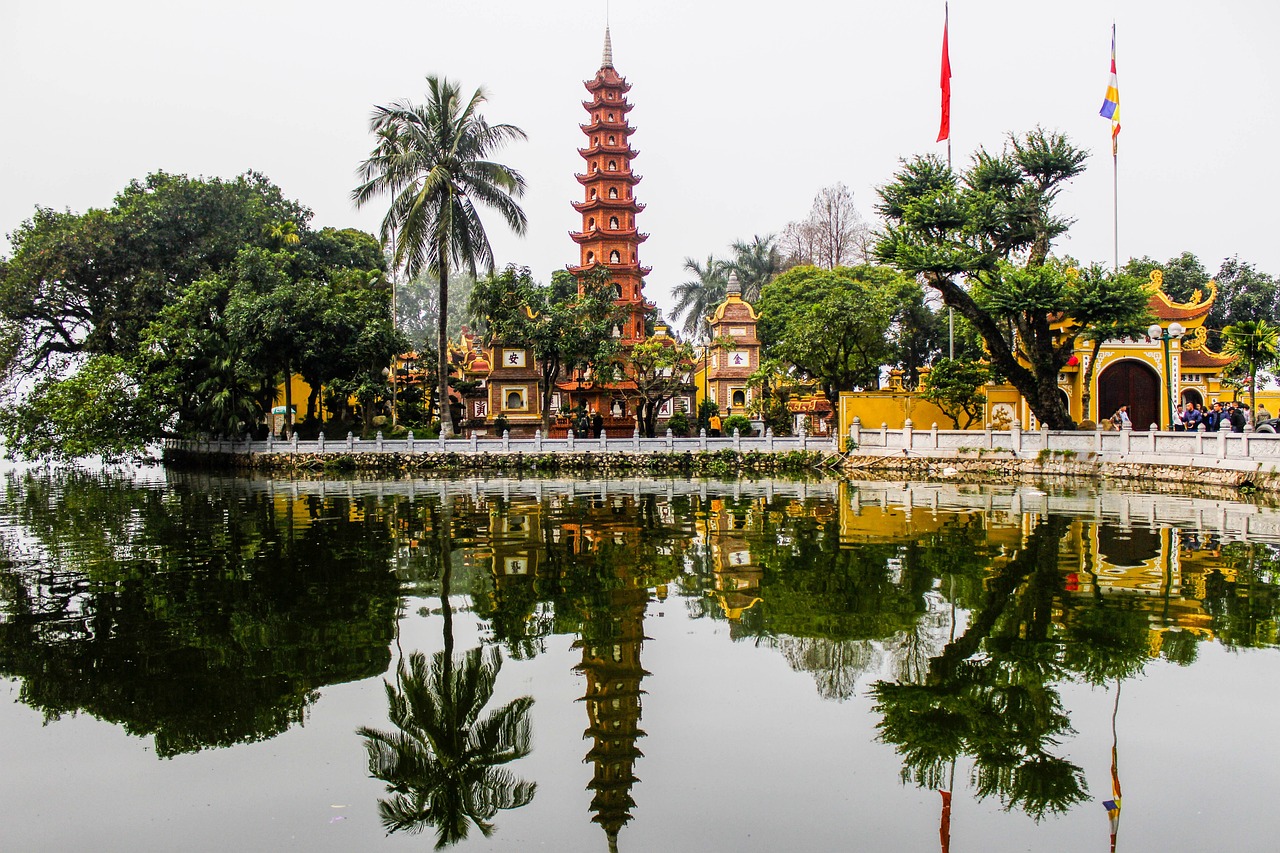
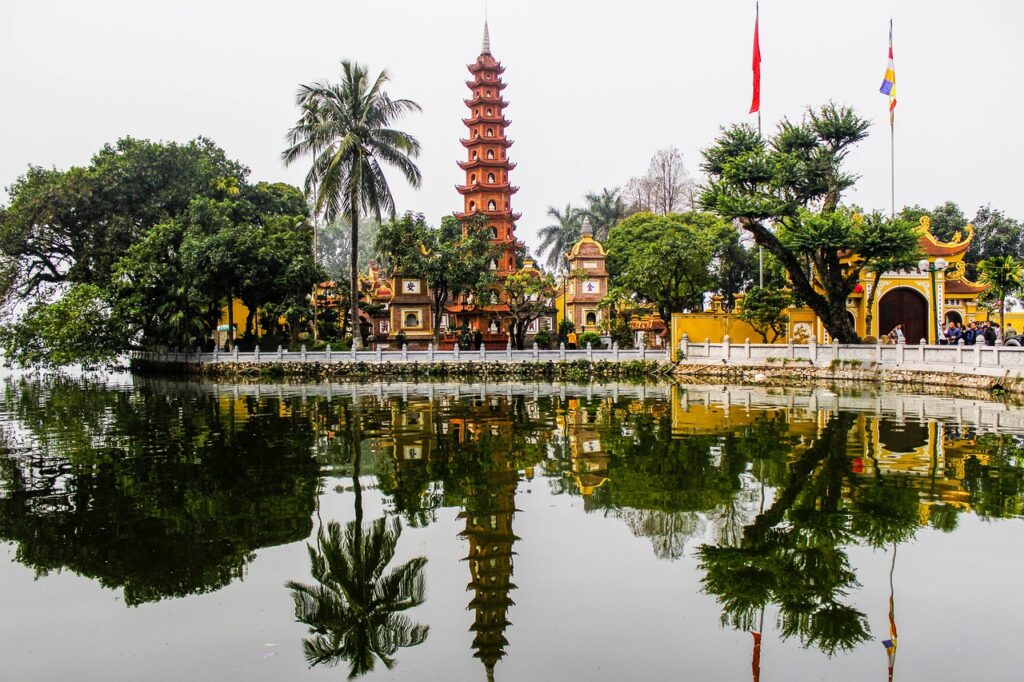
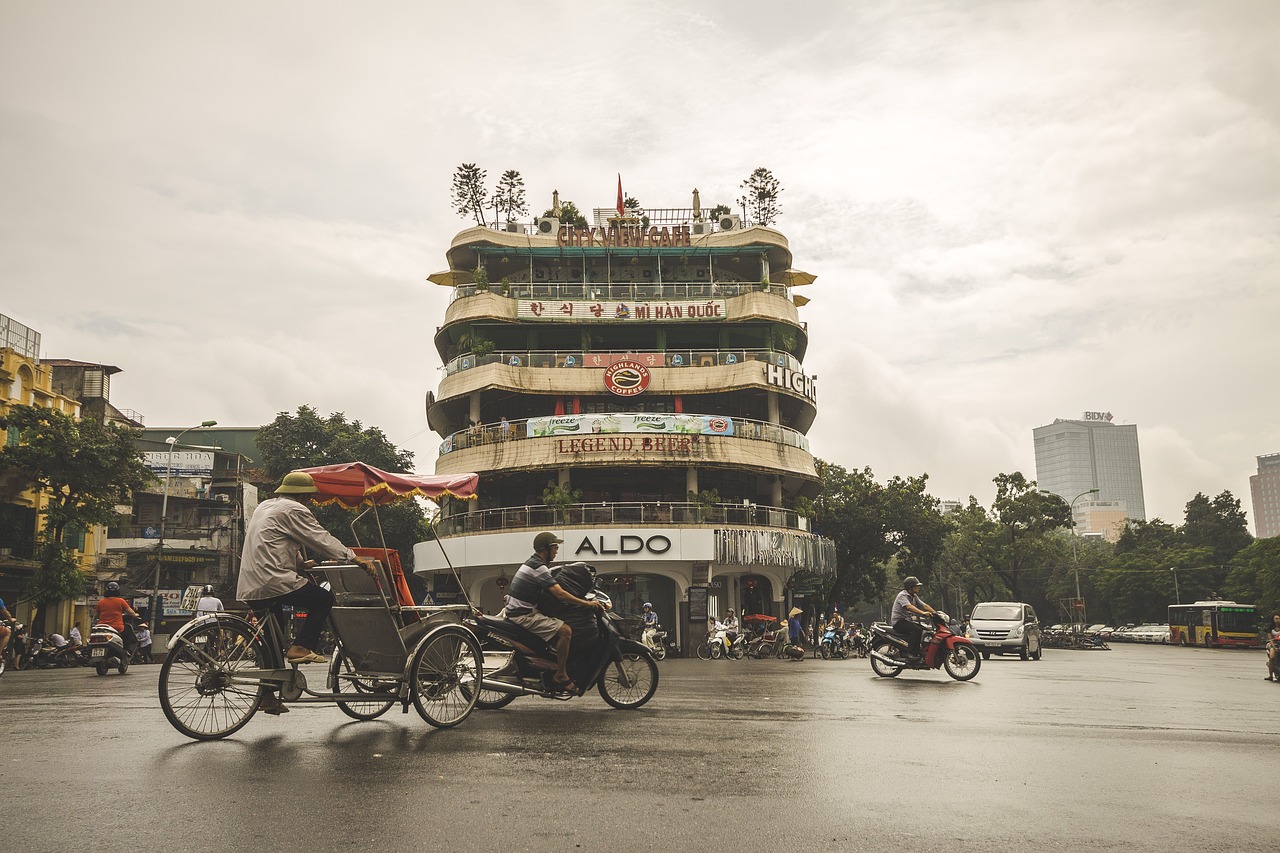
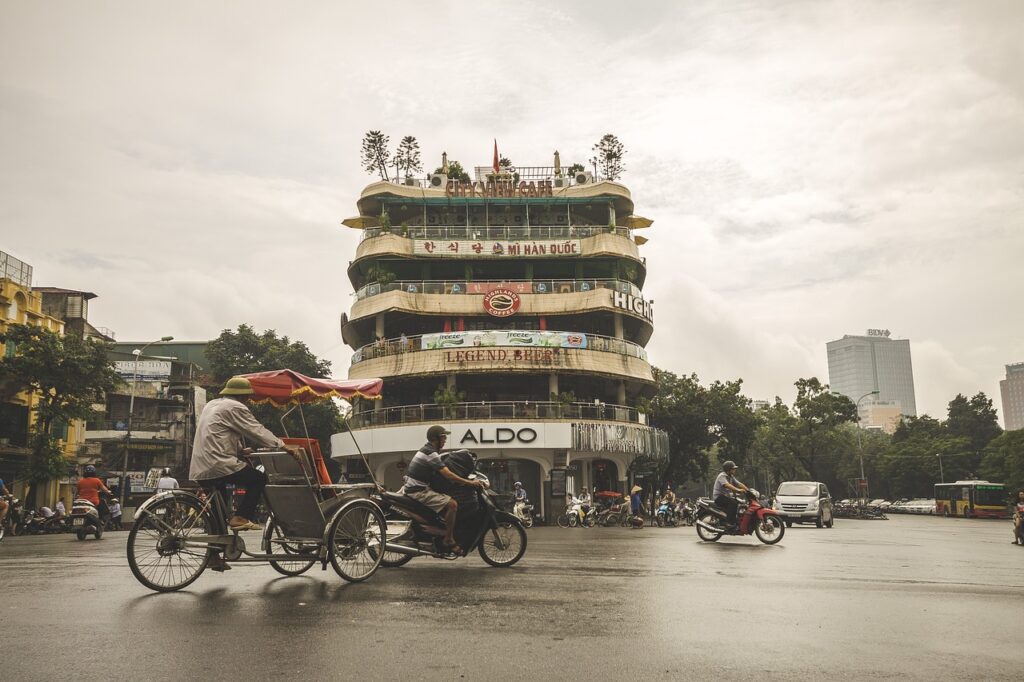
Hanoi, the capital, is one of the best places to begin a journey through Vietnam. The city combines colonial architecture, temples, lakes, markets, historic buildings and intense urban life.
Tours in Hanoi can include the Old Quarter, Hoan Kiem Lake, Temple of Literature, Ho Chi Minh Mausoleum, One Pillar Pagoda and traditional markets.
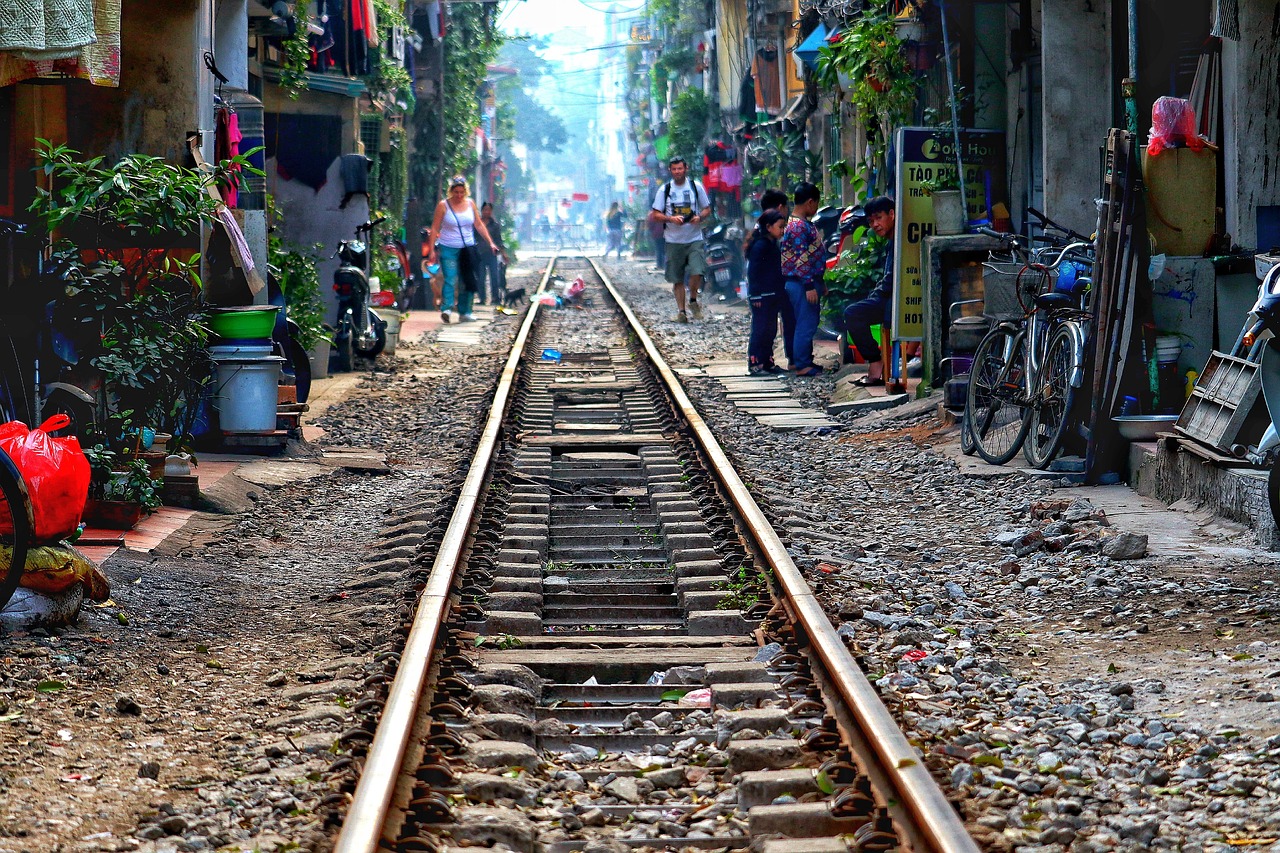
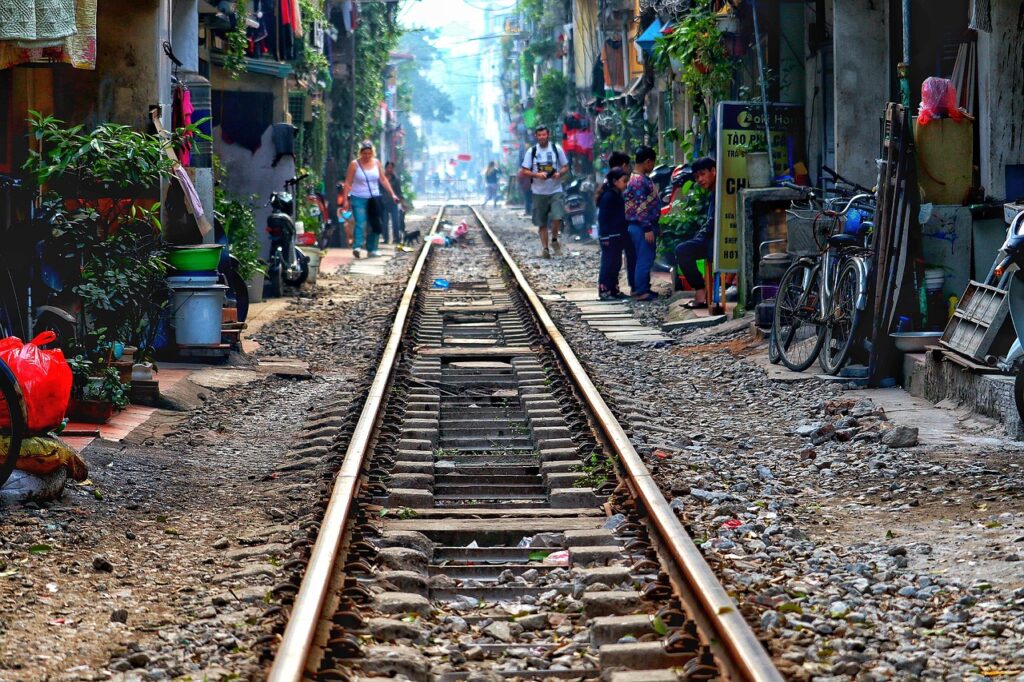
The Old Quarter is one of Hanoi's most characteristic areas. Its streets have historically been associated with different trades and still contain a remarkable concentration of small shops, restaurants, cafés and workshops.
Walking tours in Hanoi allow travelers to explore the area at a relaxed pace and experience everyday life.
Hoan Kiem Lake is another defining symbol of the capital. The area around the lake becomes particularly lively at certain times of day, when residents and visitors gather to walk and exercise.
Food is central to the Hanoi experience.
Food tours in Hanoi introduce visitors to pho, bun cha, banh mi, spring rolls, rice dishes and many regional specialties.
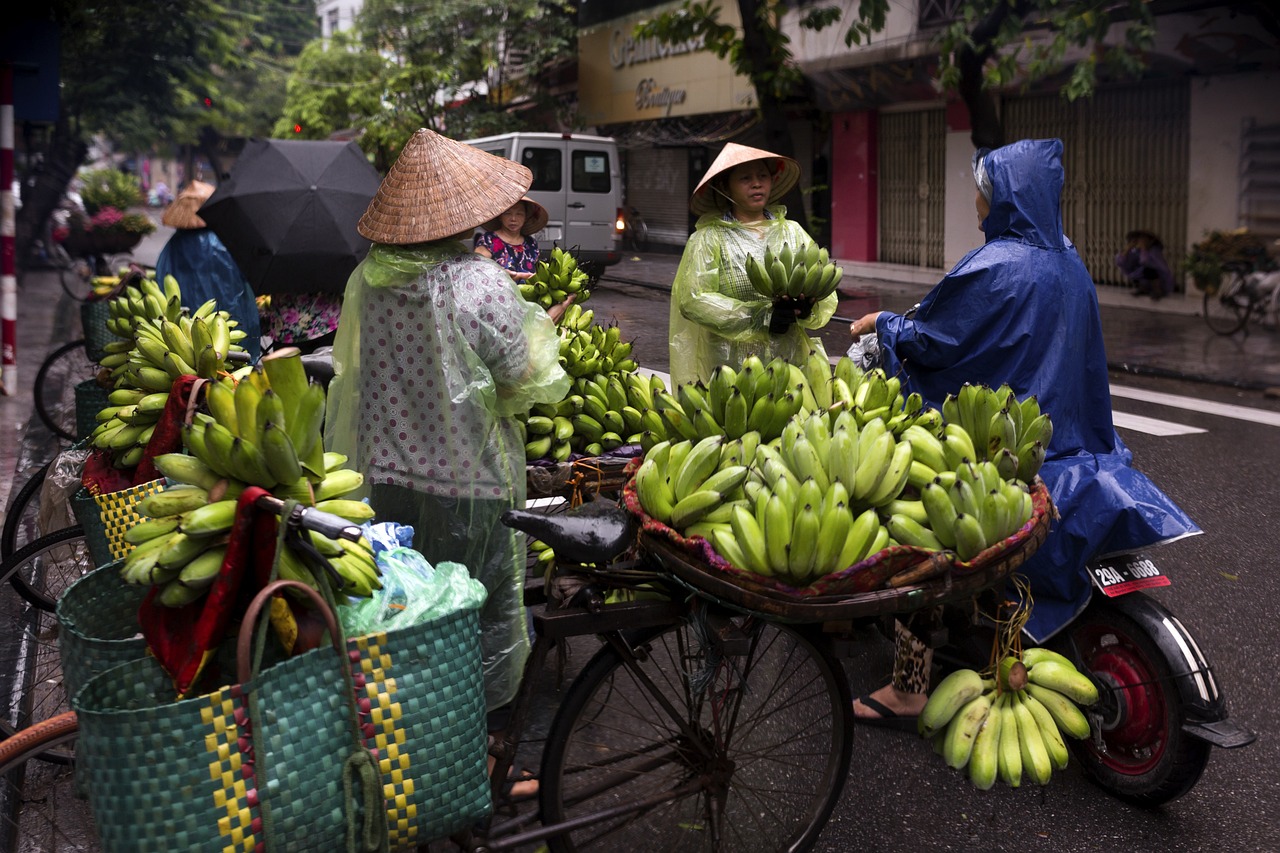
Local markets also provide direct insight into the ingredients used in Vietnamese cuisine.
One of northern Vietnam's major attractions is Ha Long Bay, one of the country's most famous natural landscapes.
The bay is formed by numerous limestone islands and islets rising from the sea.
Tours in Ha Long Bay generally take place by cruise, allowing visitors to navigate among the rock formations and visit caves, small beaches and scenic viewpoints.
For a more exclusive experience, private tours in Ha Long Bay allow travelers to select boats and itineraries according to their preferences.
Lan Ha Bay provides similar scenery and can be particularly appealing to travelers looking for maritime experiences.
Northern Vietnam is also famous for its mountains and rice terraces.
Sapa is one of the country's leading mountain destinations. Valleys, mountains and terraced rice fields surround the town.
Tours in Sapa can include hiking, local community visits and agricultural landscapes.
The rice terraces change significantly throughout the year, producing different scenery depending on the season.
The region is home to several ethnic communities, and some excursions introduce visitors to traditional textiles, food, customs and ways of life.
Cultural tours in northern Vietnam can include villages and traditional markets.
Another important northern destination is Ninh Binh, south of Hanoi.
The landscape combines rivers, rice fields, limestone mountains and temples.
Tours in Ninh Binh often include small-boat excursions through areas such as Trang An or Tam Coc.
Navigating between limestone mountains and rice fields is one of northern Vietnam's most memorable landscape experiences.
The region also contains important historical temples.
Hoa Lu, the former capital of Vietnam, provides insight into an important period of the country's history.
Private tours can combine Ninh Binh with Hoa Lu and surrounding rural areas.
Central Vietnam offers a different combination of heritage, beaches and gastronomy.
Hue served as an imperial capital for centuries and preserves an important monumental complex.
Tours in Hue can include the Imperial City, imperial tombs, pagodas and historic buildings.
The Imperial City of Hue provides insight into the architecture and political organization of the former Vietnamese court.
The imperial tombs surrounding the city combine architecture, gardens and religious elements.
Historical tours in Hue help travelers understand Vietnam's imperial heritage.
Another major central destination is Hoi An, famous for its historic center and traditional architecture.
Hoi An's Old Town preserves buildings from different periods and reflects its historical importance as a trading port.
Tours in Hoi An explore historic streets, markets, houses, temples and craft workshops.
The town becomes especially atmospheric at night, when the historic streets are illuminated.
Hoi An is also known for its textile traditions and custom tailoring.
Private tours in Hoi An can include craft workshops, cooking classes and countryside excursions.
Hoi An cuisine is another important part of the city's identity.
Food tours in Hoi An introduce travelers to local dishes, ingredients and traditional techniques.
Nearby Da Nang is a modern coastal city with beaches and access to several attractions.
Tours in Da Nang can include beaches, mountains, markets and excursions to Hoi An and other central destinations.
The Marble Mountains provide caves, temples and viewpoints close to the city.
Central Vietnam also offers extensive beaches and coastal destinations.
The coastline allows travelers to combine cultural heritage with relaxation and marine activities.
Further south lies Ho Chi Minh City, the country's largest city and one of its main economic centers.
Tours in Ho Chi Minh City explore historic Saigon through museums, markets, churches, colonial buildings and modern districts.
The Reunification Palace, Central Post Office, Notre-Dame Cathedral and Ben Thanh Market are among the city's best-known attractions.
The city combines colonial architecture, contemporary buildings, motorcycles, markets and intense commercial activity.
Food tours in Ho Chi Minh City are an excellent way to discover the diversity of southern Vietnamese cuisine.
Southern Vietnam also provides access to the Mekong Delta.
The delta consists of an extensive network of rivers and canals crossing agricultural areas, villages and plantations.
Tours in the Mekong Delta allow visitors to travel by boat, explore canals, visit communities and discover agricultural activities.
Floating markets and small boats are part of the traditional image of the region.
Private tours in the Mekong Delta allow travelers to spend more time in rural communities and adapt the experience to their interests.
Vietnam also contains numerous national parks and mountain regions.
Phong Nha-Ke Bang National Park is particularly famous for its spectacular caves and karst landscapes.
The region offers opportunities for cave exploration, river trips, hiking and forest experiences.
Adventure tours in Vietnam can include trekking, caving, kayaking, boating and national park exploration.
Vietnam also has numerous coastal and island destinations.
Phu Quoc is one of the country's best-known islands, offering beaches, tropical waters and marine activities.
Tours in Phu Quoc can include snorkeling, boat trips, beaches and inland excursions.
Other coastal destinations allow travelers to combine relaxation with cultural and culinary experiences.
Vietnamese culture is also closely connected with markets.
Markets bring together food, crafts, textiles, spices and everyday products.
Market tours in Vietnam provide an authentic perspective on daily life.
Craftsmanship is another important tradition. Silk, ceramics, bamboo, wood and textiles are central to different regional crafts.
Craft tours in Vietnam can include workshops and demonstrations of traditional techniques.
Cuisine is one of the most important reasons to travel throughout Vietnam.
Every region has its own specialties.
Northern Vietnam is particularly associated with dishes such as pho and bun cha, while central cuisine often features more elaborate and intensely flavored dishes, and southern cuisine incorporates tropical ingredients and flavors associated with the Mekong Delta.
Food tours in Vietnam can therefore become one of the central themes of a trip.
Night markets, street food stalls and family-run restaurants are essential parts of the culinary experience.
Vietnamese coffee is also an important part of the country's food culture.
Vietnam has a complex and profound history that has left a major mark on its heritage.
Museums and monuments help visitors understand different historical periods and the evolution of Vietnamese society.
Historical tours in Vietnam can explore imperial history, the colonial period and twentieth-century events.
For travelers seeking a more rural perspective, countryside excursions provide a completely different experience from the major cities.
Rice fields, bicycles, small roads, markets and farming communities reveal everyday life away from major urban centers.
Cycling tours in Vietnam are particularly appealing in areas such as Ninh Binh, Hoi An and the Mekong Delta.
Vietnam is also an excellent destination for adventure.
Hiking, cycling, boating, kayaking, snorkeling, diving and cave exploration are available depending on the region.
The country's geographic diversity makes it possible to combine relaxed activities with more challenging adventures.
Travelers interested in wellness can also find spas, traditional massage and relaxation experiences.
Major cities offer a wide variety of establishments, while rural destinations allow wellness experiences to be combined with nature.
Reasons to visit Vietnam:
- Hanoi: is one of the best cities for discovering Vietnamese culture, cuisine and history.
- The Old Quarter: provides an authentic introduction to everyday urban life.
- Ha Long Bay: offers one of Asia's most recognizable natural landscapes.
- Sapa: combines mountains, rice terraces and traditional cultures.
- Ninh Binh: offers rivers, limestone mountains, rice fields and temples.
- Hue: provides insight into Vietnam's imperial history.
- Hoi An: stands out for historic architecture, gastronomy, crafts and nighttime atmosphere.
- Da Nang: combines modern urban life, beaches and nature.
- Ho Chi Minh City: reveals the dynamic commercial and contemporary side of southern Vietnam.
- The Mekong Delta: offers rural communities, rivers, canals and agricultural landscapes.
- Phong Nha-Ke Bang: provides some of the country's most impressive nature and adventure experiences.
- Phu Quoc: offers tropical beaches and marine activities.
- Cuisine: is a fundamental reason to travel through different regions and discover their specialties.
- Markets, cafés, craft workshops and rural villages: provide opportunities to experience Vietnam from a closer perspective.
Private tours in Vietnam allow travelers to create complete north-to-south itineraries, combine cities and nature and adapt experiences to their preferred pace. Group tours provide convenient access to the country's major destinations through organized circuits.
Ultimately, Vietnam is an exceptionally complete destination for history, culture, gastronomy, nature, beaches, mountains, rice terraces, historic cities, markets, adventure and authentic Southeast Asian experiences.
A journey through Vietnam can begin among the temples and streets of Hanoi, continue through Ha Long Bay, the rice fields of Ninh Binh and the northern mountains, explore the imperial heritage of Hue and the traditional streets of Hoi An, and finish among the markets, rivers and tropical landscapes of the south.
The country's greatest strength is precisely this diversity. Every region has its own identity, yet all form part of a Vietnamese culture deeply connected with food, family, markets, agriculture, rivers and a long history.